Eyes health
Excessive Light and Eye Health

Excessive light and eye health. Regular comprehensive eye exams (every one to two years), wearing UV-protection sunglasses, utilizing protective eyewear for hazardous tasks, and adhering to the 20-20-20 rule to lessen screen strain are all necessary for maintaining good eye health. The risk of conditions like cataracts and macular degeneration is greatly decreased by eating a diet high in nutrients (vitamins A, C, E, zinc, and omega-3s) and abstaining from smoking.
EXCESSIVE LIGHT AND EYE HEALTH
Significant and frequently irreversible eye damage, such as cataracts, retinal damage, and age-related macular degeneration (AMD), is brought on by prolonged exposure to bright, UV, or blue light. Digital eye strain, headaches, and dry eyes are immediate side effects, and prolonged exposure to intense light can destroy photoreceptor cells. Long-term health depends on protective gear like screen filters and eyewear.
Types of Light and Their Impact;
Blue Light:

Emitted from digital screens (smartphones, tablets, and computers), blue light is one of the main culprits of digital eye strain. Unlike natural light, blue light penetrates deep into the eye and can lead to irritation, dryness, and fatigue. Long-term exposure is believed to contribute to potential retina damage and may accelerate age-related macular degeneration.
Bright Artificial Lighting:

Excessive light and eye health
Prolonged exposure to very bright or harsh artificial lights, such as fluorescent and LED lights, can lead to eye discomfort. This type of light can cause glare and strain, especially when combined with reflective surfaces. It can also disrupt natural circadian rhythms, affecting sleep quality and overall health.
Symptoms of Excessive Light Exposure;

Excessive light and eye health
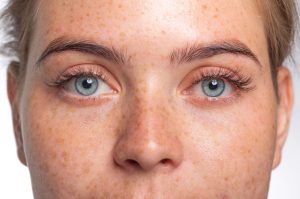
Excessive light exposure can result in symptoms such as:
–Eye Strain: A feeling of tiredness, soreness, or discomfort in the eyes after looking at bright screens or lights for too long.
– Dry Eyes: Reduced blinking during screen time can lead to dry and irritated eyes.
– Headaches: Frequent headaches are often associated with bright or excessive light exposure.
– Blurred Vision: Extended exposure can lead to temporary blurred vision.
Protecting Your Eyes;

Excessive light and eye health
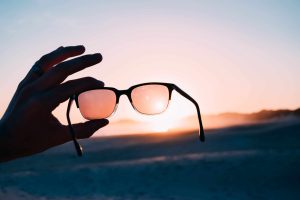
To protect your eyes, practice the 20-20-20 rule: every 20 minutes, look at something 20 feet away for at least 20 seconds. Reduce screen brightness to match the surrounding environment and use blue light filters or anti-reflective lenses. Wearing sunglasses with UV protection when outdoors can prevent damage from the sun’s rays.
Managing light exposure is crucial for long-term eye health and overall well-being. Adjusting your habits today can lead to clearer, healthier vision for the future.
Summary
Given the prevalence of screens and artificial lighting in our daily lives, it’s critical to comprehend the potential negative effects of excessive light exposure on eye health. Even while light is necessary for healthy vision, extended exposure to harsh or improper lighting can cause pain and possibly long-term eye damage.