Face hygiene
Face Exfoliation Best Practices

Face exfoliation best practices. Any skincare regimen must include face exfoliation since it helps to clear clogged pores, eliminate dead skin cells, and reveal a smoother, more radiant complexion. Your skin will appear renewed and fresh after a proper exfoliation, which can encourage a healthy skin cell turnover. Here are several advantages of exfoliation and safe methods.When done correctly, face exfoliation is a powerful tool for preserving skin that is radiant and healthy. You can benefit from smoother, cleaner, and more beautiful skin by selecting the appropriate exfoliation technique and following safe procedures.
FACE EXFOLIATION BEST PRACTICES
By removing debris, oil, and dead skin cells from the skin’s surface, face exfoliation helps to clear clogged pores and prevent acne while also creating a smoother, more radiant complexion. Physical scrapes or tools and chemical exfoliants (AHAs/BHAs) that break down skin connections are important techniques. Exfoliation should be done one to three times a week in order to be safe and effective; excessive exfoliation might cause harm.
Benefits of Face Exfoliation;


1. Removes Dead Skin Cells: Exfoliating sloughs away dead skin cells that accumulate on the surface, preventing dullness and promoting a more radiant appearance.
2. Unclogs Pores: Regular exfoliation can help remove dirt, oil, and impurities from pores, reducing the risk of blackheads and breakouts.
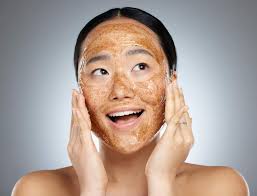

3. Enhances Absorption of Skincare Products: By clearing away dead skin, exfoliation allows moisturizers, serums, and other skincare products to penetrate more effectively and deliver better results.
4. Promotes Even Skin Tone: Exfoliation helps to fade dark spots, hyperpigmentation, and acne scars over time, resulting in a smoother, more even skin tone.
5.Improves Skin Texture: Consistent exfoliation can soften rough patches, leaving your skin feeling smoother and more supple.
Types of Face Exfoliation;

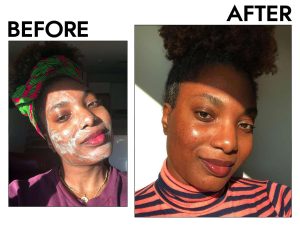
Face exfoliation best practices
1. Physical Exfoliation: This involves using scrubs or brushes to manually remove dead skin. Look for gentle scrubs with fine particles or use a soft facial brush to avoid micro-tears or irritation.
2. Chemical Exfoliation: This method uses acids like alpha-hydroxy acids (AHAs) or beta-hydroxy acids (BHAs) to dissolve dead skin cells. AHAs, such as glycolic acid and lactic acid, work well for dry or sun-damaged skin, while BHAs, like salicylic acid, are ideal for oily or acne-prone skin.
Best Practices;
1. Choose the Right Product for Your Skin Type:


Face exfoliation best practices
People with sensitive skin should opt for mild exfoliants and avoid harsh scrubs. Those with oily skin may benefit from stronger chemical exfoliants.
2. Frequency Matters:
Over-exfoliating can lead to skin irritation, dryness, and sensitivity. Limit exfoliation to 1-3 times a week, depending on your skin type and product strength.
3. Moisturize After Exfoliating:


Face exfoliation best practices
Always follow up with a hydrating moisturizer to soothe the skin and lock in moisture.
Exfoliation can make your skin more sensitive to the sun. Apply sunscreen daily to protect against UV damage and prevent hyperpigmentation.
Summary
In order to improve texture, increase radiance, and unclog pores, an effective face exfoliation removes dead skin cells. However, it must be done carefully to prevent harming the skin’s moisture barrier. The best practices include being gentle, moisturizing straight away, using sunscreen every day, and selecting the appropriate technique for your skin type (chemical vs. physical).