environment
Global Warming Consequences

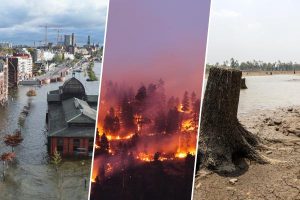

Global warming consequences. The long-term increase in Earth’s average temperature is known as global warming, and it is mostly brought on by human activities like burning fossil fuels and deforestation, which release greenhouse gases into the atmosphere that trap heat, such as CO2 and methane. This is a serious worldwide problem because it causes severe climate changes, such as melting glaciers, increasing sea levels, harsh weather (droughts, floods, storms), and ecosystem disruptions.
GLOBAL WARMING CONSEQUENCES
Increased greenhouse gas emissions from fossil fuels cause global warming, which raises temperatures, increases the frequency of extreme weather events (heatwaves, droughts, floods, strong storms), melts ice, raises sea levels, acidifies the ocean, disrupts ecosystems (species extinction, wildfires), and has major negative effects on human health and the economy that affect infrastructure, food, and water worldwide.
The Reasons;
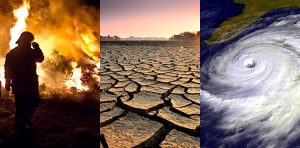

The chemistry of our atmosphere is altered by the emissions of fuels, which lets sunlight reach Earth but stops heat from space. The term “greenhouse effect” refers to this phenomenon.
Impacts;


global warming and consequences
1.The effect that rising temperatures will have on Earth’s polar regions and mountain glaciers is one of the most alarming effects of global warming.
2. However, Compared to the rest of the earth, the Arctic is warming four times faster.
3.Because of the reduction in vital ice habitat and the disruption of the jet stream, there are increasingly erratic weather patterns all throughout the world.
4.Melt is currently one of the main effects of climate change. Meanwhile, A 2016 study that was published in the journal Current Climate found that between 1960 and 2015,
there was a trend toward reduced snow cover in North America, Europe, and Asia.
More Impacts;

global warming and consequences
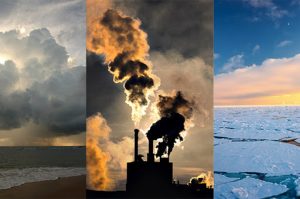
5.A striking consequence of global warming is the decline of Arctic Sea ice. In fall 2015 and winter 2016, sea ice reached record-low extents, indicating that it was falling behind schedule when it should have been at its maximum.
6.However, a shift in temperature has the potential to push cold, Arctic air southward via the polar jet stream, which separates warm equatorial air from cold air near the North Pole.
7. Meanwhile, Weather patterns are shifting as average world temperatures rise. Weather extremes are a direct result of global warming. There are several varieties available for these extremes. Ironically, in certain places, colder winters may be a result of climate change.
8.An additional direct and evident effect of global warming is the rise in global temperatures.climate scientists have concluded.
Summary
consequences of global warming. Along with rising sea levels, changing species habitats, natural calamities, and average temperature increases, as heat-trapping greenhouse gasses like carbon dioxide and methane.