vegetables
Green Veggies

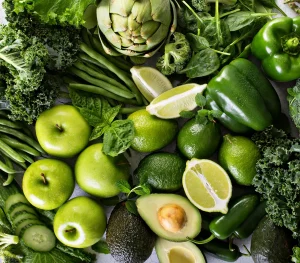

Green veggies. They are a nutritional powerhouse with many health advantages. Including a range of these veggies in your diet will improve your general health, aid with digestion, and supply vital vitamins and minerals. To maximize their nutritional benefits, eat them raw, cooked, or mixed. Leafy greens, which are well-known for their remarkable nutritional profile and many health advantages, are a crucial part of a balanced diet. These colorful veggies are adaptable and simple to use in a variety of recipes. Here’s a closer look at the health benefits of leafy greens and how to incorporate them into your meals.
GREEN VEGGIES
Green vegetables are plant parts, such as leaves, that are high in nutrients and chlorophyll and are vital to a balanced diet. In addition to other vegetables like broccoli, green beans, and peas, examples include leafy greens like spinach, kale, and collard greens. They are abundant in fiber, vitamins, and minerals, low in calories, and associated with a number of health advantages, including better weight control and a lower chance of developing chronic illnesses.
Nutritional Benefits;


1. Rich in Vitamins and Minerals:
Leafy greens are a fantastic source of essential vitamins such as vitamin A, vitamin C, and vitamin K. They also provide important minerals like iron, calcium, and magnesium, which support bone health, blood clotting, and overall bodily functions.
2. High in Antioxidants:


These vegetables are packed with antioxidants like lutein, zeaxanthin, and beta-carotene. Antioxidants help neutralize harmful free radicals in the body, reducing oxidative stress and lowering the risk of chronic diseases.
3. Low in Calories and High in Fiber:
Leafy greens are low in calories but high in dietary fiber, which aids in digestion, promotes satiety, and supports weight management. The fiber content also helps maintain healthy blood sugar levels.
Popular Leafy Greens;

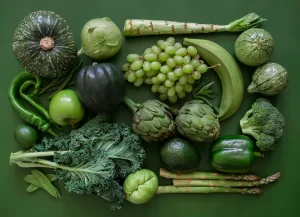
Green veggies
1. Spinach:
Rich in iron and vitamins A and C, spinach is versatile and can be used in salads, smoothies, and cooking.
2. Kale:
Known for its dense nutrient content, kale is high in vitamins K, A, and C. It can be used in salads, soups, or baked as crispy kale chips.
3. Swiss Chard:


Green veggies
With its colorful stems and dark green leaves, Swiss chard is a good source of vitamins K and A, as well as magnesium. It’s great sautéed or added to soups
4. Romaine Lettuce:
A popular salad base, romaine lettuce is high in vitamins A and K and provides a crunchy texture.
5. Arugula:


Green veggies
This peppery green adds a unique flavor to salads and dishes, and is rich in vitamins A and K.
How to Include Leafy Greens in Your Diet;


Green veggies
– Salads: Use a mix of leafy greens as the base for salads, adding a variety of vegetables, nuts, and lean proteins.
– Smoothies: Blend spinach or kale into smoothies for an easy nutrient boost.
– Soups and Stews: Add chopped greens to soups and stews for extra flavor and nutrition.
– Sautéed or Steamed: Lightly cook leafy greens with a bit of olive oil and garlic for a simple side dish.
Summary
The edible portions of plants that are utilized for food include leaves, stems, roots, and flowers. They are rich in vitamins, minerals, and fiber—all essential components of a balanced diet—and low in calories. Root vegetables (carrots, potatoes), leafy greens (spinach, lettuce), and cruciferous vegetables (broccoli, cauliflower) are examples of vegetables that are classified according to the portion of the plant that is consumed.