vegetables
Green Veggies

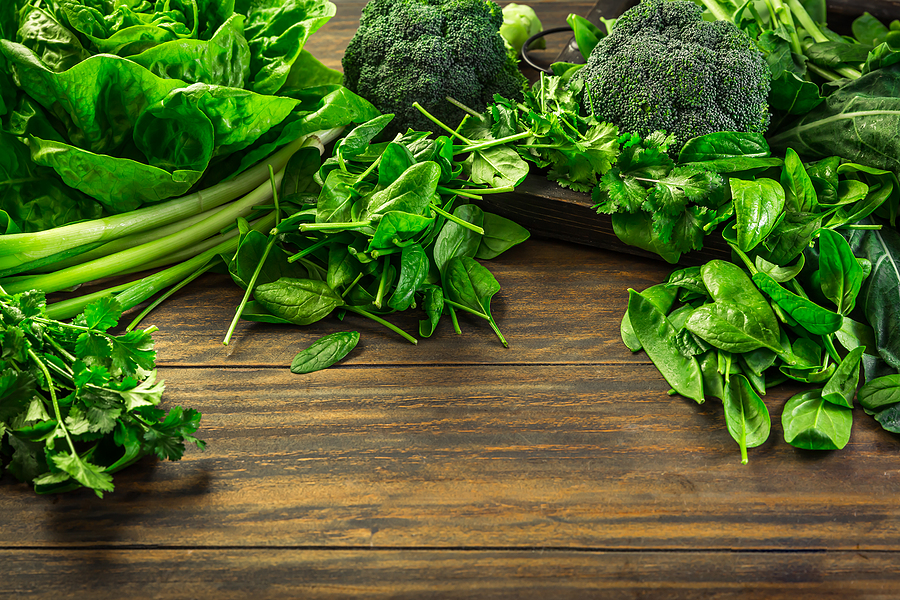
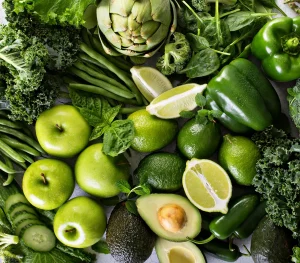
Green veggies. They are a nutritional powerhouse with many health advantages. Including a range of these veggies in your diet will improve your general health, aid with digestion, and supply vital vitamins and minerals. To maximize their nutritional benefits, eat them raw, cooked, or mixed. Leafy greens, which are well-known for their remarkable nutritional profile and many health advantages, are a crucial part of a balanced diet. These colorful veggies are adaptable and simple to use in a variety of recipes. Here’s a closer look at the health benefits of leafy greens and how to incorporate them into your meals.
GREEN VEGGIES
Green vegetables are plant parts, such as leaves, that are high in nutrients and chlorophyll and are vital to a balanced diet. In addition to other vegetables like broccoli, green beans, and peas, examples include leafy greens like spinach, kale, and collard greens. They are abundant in fiber, vitamins, and minerals, low in calories, and associated with a number of health advantages, including better weight control and a lower chance of developing chronic illnesses.
Nutritional Benefits;
1. Rich in Vitamins and Minerals:
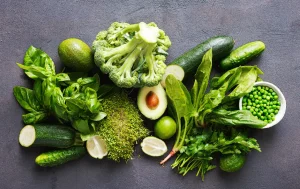
Leafy greens are a fantastic source of essential vitamins such as vitamin A, vitamin C, and vitamin K. They also provide important minerals like iron, calcium, and magnesium, which support bone health, blood clotting, and overall bodily functions.
2. High in Antioxidants:
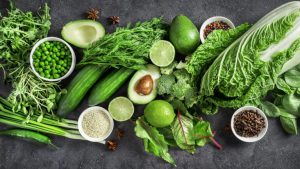
These vegetables are packed with antioxidants like lutein, zeaxanthin, and beta-carotene. Antioxidants help neutralize harmful free radicals in the body, reducing oxidative stress and lowering the risk of chronic diseases.
3. Low in Calories and High in Fiber:
Leafy greens are low in calories but high in dietary fiber, which aids in digestion, promotes satiety, and supports weight management. The fiber content also helps maintain healthy blood sugar levels.
Popular Leafy Greens;
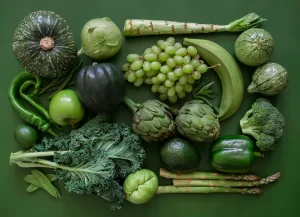
Green veggies
1. Spinach:
Rich in iron and vitamins A and C, spinach is versatile and can be used in salads, smoothies, and cooking.
2. Kale:
Known for its dense nutrient content, kale is high in vitamins K, A, and C. It can be used in salads, soups, or baked as crispy kale chips.
3. Swiss Chard:
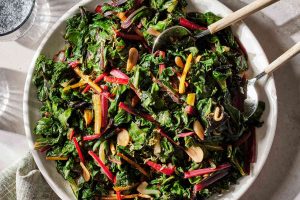
Green veggies
With its colorful stems and dark green leaves, Swiss chard is a good source of vitamins K and A, as well as magnesium. It’s great sautéed or added to soups
4. Romaine Lettuce:
A popular salad base, romaine lettuce is high in vitamins A and K and provides a crunchy texture.
5. Arugula:
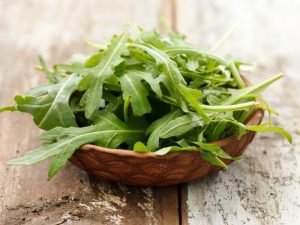
Green veggies
This peppery green adds a unique flavor to salads and dishes, and is rich in vitamins A and K.
How to Include Leafy Greens in Your Diet;

Green veggies
– Salads: Use a mix of leafy greens as the base for salads, adding a variety of vegetables, nuts, and lean proteins.
– Smoothies: Blend spinach or kale into smoothies for an easy nutrient boost.
– Soups and Stews: Add chopped greens to soups and stews for extra flavor and nutrition.
– Sautéed or Steamed: Lightly cook leafy greens with a bit of olive oil and garlic for a simple side dish.
Summary
The edible portions of plants that are utilized for food include leaves, stems, roots, and flowers. They are rich in vitamins, minerals, and fiber—all essential components of a balanced diet—and low in calories. Root vegetables (carrots, potatoes), leafy greens (spinach, lettuce), and cruciferous vegetables (broccoli, cauliflower) are examples of vegetables that are classified according to the portion of the plant that is consumed.
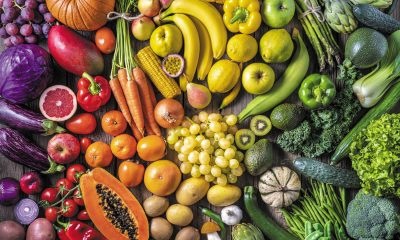


Benefits of Pumpkin Vegetable. A pumpkin belongs to the genus Cucurbita and is a cultivated winter squash. Although there is no scientific definition for the name, it is most frequently used to describe spherical, orange-colored squash types. It can be applied to a wide variety of squashes from several species in the Cucurbita genus, each with a unique appearance.
BENEFITS OF PUMPKIN VEGETABLE
Rich in fiber, potassium, and potent antioxidants, pumpkin is a nutrient-dense vegetable. Through beta-carotene, a single cup meets more than 200% of your daily vitamin A requirements, promoting healthy digestion, heart function, immunological protection, sharp eyesight, and glowing skin.
1. Good Heart Health;

Pumpkin leaves contain a lot of soluble fiber, which lowers the absorption of cholesterol. A low cholesterol level lowers the chance of heart disease. Additionally, potassium content prevents irregular heartbeats.
2. Diminishes Rheumatoid Arthritis Signs;
Pumpkin plant leaves contain vitamin B6, which helps reduce arthritis-related joint and muscular discomfort.
3. Assist in Reducing PMS;

Pumpkin leaves, which contain manganese, can help control and lessen headaches, mood swings, irritability, and depression.
4. Maintains Dental Health;
For healthy bones and gums, phosphorus is essential. The vitamin D, calcium, and phosphorus found in pumpkin leaves are essential for the health of teeth and gums. These nutrients help maintain the mineral density of the jaw bone and the tooth enamel that keeps the tooth in place.
5. Promote Bone Strength;
The leaves are rich in calcium and phosphorus, which are necessary for healthy bones. It also helps prevent tight joints and bone discomfort when taken frequently.
6. Support Colon Cancer Research;

Benefits of Pumpkin Vegetable
Pumpkin leaves aid in the treatment of colon cancer. But how? Its soluble and insoluble fiber helps to facilitate bowel movements. By maintaining intestinal health, a smooth bowel movement stops the growth of malignant tumors in the colon.
7. Encourages Immune System Function;
The body’s immune system is strengthened by the iron that is rich in pumpkin leaves. The body can fight off infections and a number of illnesses when its immune system is strong. Iron also aids in the healing of red blood cells, which improves the flow of oxygen throughout cells, tissues, and organs.
8. Offers Soft, Supple Skin;

Benefits of Pumpkin Vegetable
About 4% of the Daily Value of Vitamin A is met by one cup, or 39 g, of pumpkin leaves. It aids in protecting the skin from pollutants and free radicals, which frequently cause damage. Additionally, because the leaves contain a lot of water, hydration is retained, resulting in soft, supple skin. Retaining moisture also helps shield the skin from some ailments.
9. Lowers the Chance of Long-Term Conditions;
Important antioxidants such as beta-kryptoxanthin, beta-carotene, and alpha-carotene are found in pumpkin. It aids in preventing the harm that free radicals can cause.
Summary
Almost every component of the pumpkin plant, including the fruit, seeds, leaves, and stems, is edible and has several health benefits. The delicate pumpkin leaves are often used in sour chutneys with other green leafy vegetables or as a main course savory dish.
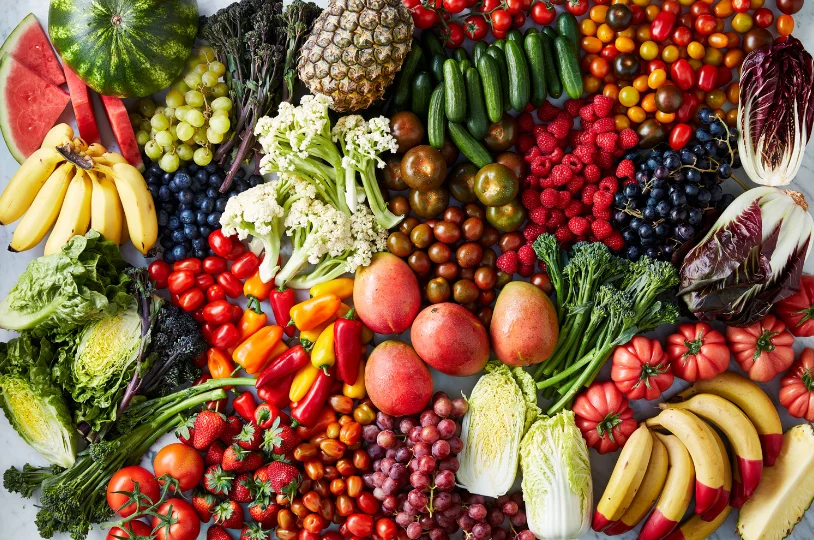
Fruits and Vegetables Relevance. Most Australians will benefit from eating more fruits and vegetables as part of an active lifestyle and a healthy, balanced diet. There are many different types of fruits and vegetables, and there are many ways to prepare, cook, and serve them. A minimum of five servings of vegetables and two servings of fruit should be consumed daily. Select several hues.
FRUITS AND VEGETABLES RELEVANCE
Fruits and vegetables should make up a significant portion of your daily diet. They include vitamins and minerals that can promote your health and are naturally nutritious. Additionally, they might help prevent some diseases. When fruits and vegetables are in season, they are best purchased. If not, consider using canned or frozen veggies, which are equally nutrient-dense and cost-effective.
Importance of Vegetables and Fruits;
1. Vitamins and minerals are abundant in fruits and vegetables. Nothing is more nutrient-dense than fruits and vegetables, which are a great source of folic acid, magnesium, zinc, phosphorus, and the vitamins A, C, and E. Eat lots of avocados, sweet potatoes, bananas, prunes, and even pureed tomato sauce if you’re looking to increase your intake of potassium, one of the most vital elements.
2. You get to enjoy a variety of flavors and textures. With all their unique and interesting flavors, plant-based foods let you get creative in the kitchen. You can try strong flavors like onions, olives, and peppers.
More Importance;
3. A ton of fiber—a ton of fiber. Although some fruits and vegetables have more fiber than others, most fruits and vegetables have enough to keep you full and improve intestinal health. other important of vegetables and fruits include;
4. They have little fat and few calories.
5. minimal in cholesterol and salt. Trace levels of salt are present in fresh fruits and vegetables.6. Any type of food—fresh, frozen, canned, or dried—is nutrient-dense. Whether you choose to consume fresh fruits and veggies or not, there aren’t many nutritional differences between frozen, canned, or dehydrated foods.
In actuality, the nutritional value of the majority of canned and frozen goods is rapidly locked in since they are processed within hours of harvest.
Fruits and Vegetables Relevance
6. Easy, quick, and convenient. For the most part, fruits and vegetables don’t require packaging, unlike granola bars or crackers.
Summary
Because they include critical dietary fiber, antioxidants, vitamins (such as A, C, and K), and minerals, fruits and vegetables are crucial for optimum health. Frequent intake improves immunity and digestion while dramatically reducing the incidence of long-term diseases like heart disease, stroke, obesity, and several types of cancer.
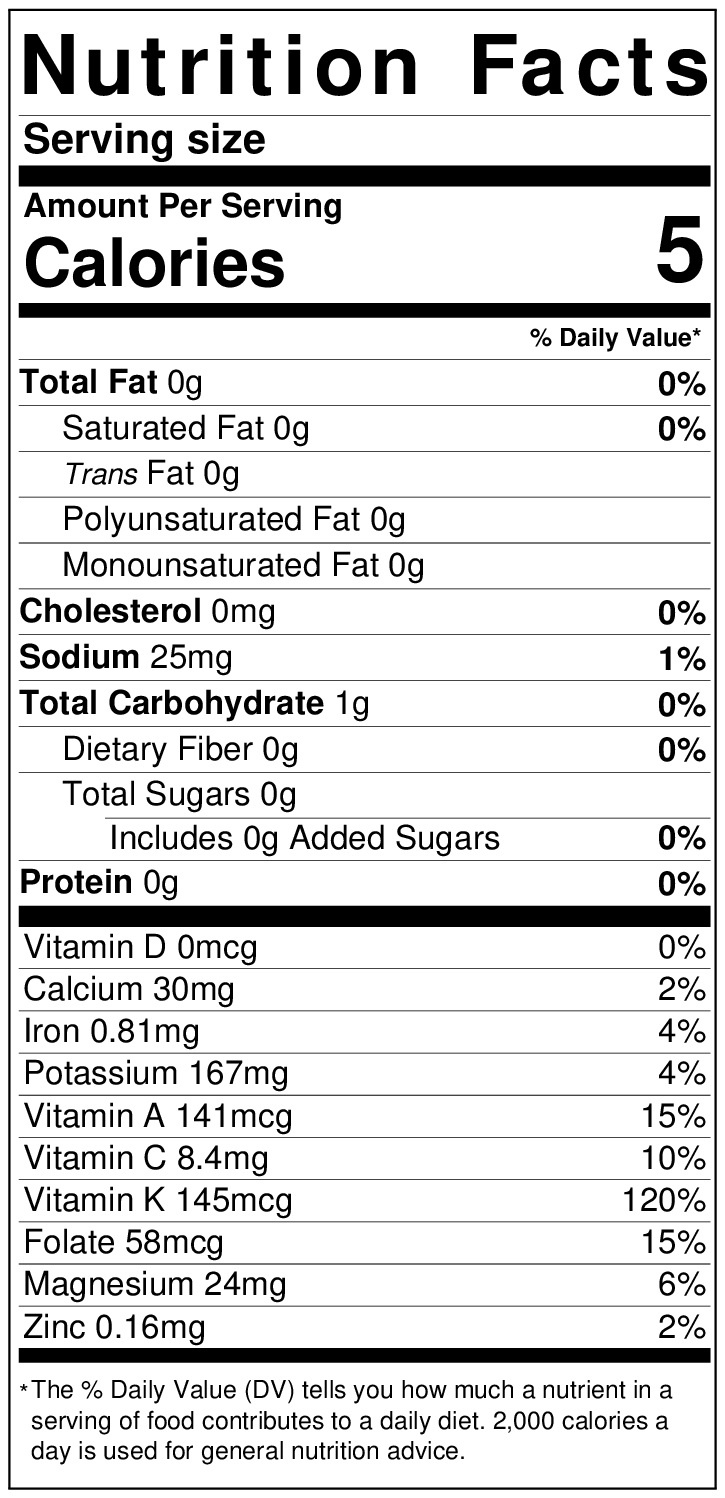
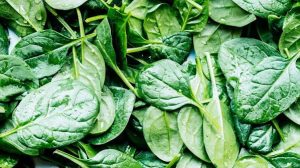
Spinach Nutritional Value. A nutritional powerhouse, spinaches enhance heart and bone health, strengthen the immune system, and improve digestion, among many other health advantages. Its culinary adaptability makes it simple to use in a variety of recipes, whether it’s cooked in soups and stews, blended into smoothies, or added fresh to salads. You can benefit from spinach’s many health advantages and enhance your general wellbeing by including it in your diet.
SPINACH NUTRITIONAL VALUE
Spinach is praised for its remarkable nutritional profile and adaptability. Regular spinach consumption has several health advantages. Including spinach in your diet is crucial for general health and wellbeing for the following five main reasons:
1. Rich in Essential Nutrients;
Spinach is packed with essential vitamins and minerals, including vitamins A, C, and K, as well as iron, calcium, and magnesium. Vitamin A supports vision and immune function, while vitamin C acts as an antioxidant and aids in collagen synthesis. Vitamin K is crucial for blood clotting and bone health, and the minerals in spinaches contribute to overall bodily functions and bone strength.
2. Supports Heart Health;
The high levels of nitrates in spinach help improve blood flow and reduce blood pressure. Spinaches also contains antioxidants like lutein and zeaxanthin, which help reduce inflammation and oxidative stress, both of which are risk factors for heart disease. Additionally, the fiber in spinach helps lower cholesterol levels, further supporting cardiovascular health.
3. Aids in Digestion;

Spinach Nutritional Value
Spinach is an excellent source of dietary fiber, which promotes healthy digestion and regular bowel movements. Fiber helps prevent constipation by adding bulk to the stool and promoting its smooth passage through the digestive tract. Additionally, the prebiotic properties of fiber support the growth of beneficial gut bacteria, contributing to overall digestive health.
4. Boosts Immune System;
Spinach is rich in vitamins and antioxidants that strengthen the immune system. Vitamin C boosts the production of white blood cells, enhancing the body’s ability to fight infections. The antioxidants in spinaches, such as beta-carotene and vitamin E, help protect cells from damage and support the body’s natural defense mechanisms.
5. Supports Bone Health;

Spinach Nutritional Value
The high vitamin K content in spinaches plays a crucial role in bone health by enhancing calcium absorption and promoting bone mineralization. Additionally, spinach provides a good amount of calcium and magnesium, both of which are essential for maintaining strong and healthy bones. Regular consumption of spinach can help reduce the risk of osteoporosis and bone fractures.
Summary
Native to Central and Western Asia, spinach is a leafy green blooming plant. It belongs to the Amaranthaceae family, subfamily Chenopodioideae, and order Caryophyllales. Its leaves are a popular vegetable that can be eaten raw, cooked, or stored.

Torchlight Selection

Best Practices for Face Exfoliation

Chemical Face Exfoliation

A Step-by-Step Guide to Deleting Reels on Instagram

A Comprehensive Guide to Setting Up a YouTube Premiere