Fruits
Hawthorn and Heart Health



Hawthorn and heart health. This comes from the Crataegus shrub, is a well-liked herbal remedy that has long been used for heart health. Its antioxidants, or flavonoids, may strengthen heart muscle, improve blood flow, and help conditions like high blood pressure, angina, and mild to moderate chronic heart failure (CHF) by relaxing blood vessels. More study is required, and since hawthorn can interact with heart drugs, it is important to consult a doctor before using it, even if studies show promise, particularly for heart failure when used with conventional treatment.
HAWTHORN AND HEART HEALTH
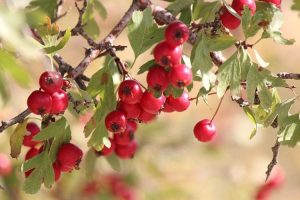
Crataegus, the scientific name for hawthorn, is a tiny tree or shrub that is a member of the rose family. Hawthorn, a native of Europe, North America, and Asia, has been utilized for generations in traditional medicine, especially for its cardiovascular advantages. In addition to being a lovely plant, hawthorn is a powerful herbal cure with its clusters of white or pink blooms and vivid red berries.
Historical Uses;
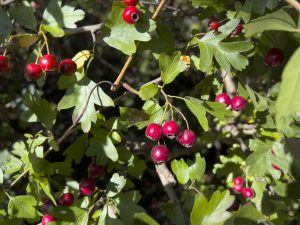

Hawthorns has long been used, having been valued for its medicinal properties in ancient Greece. It has long been used to cure a variety of illnesses in many cultures, from anxiety to digestive problems. However, its most celebrated use has always been in supporting heart health.
Cardiovascular Health;


HAWTHORN AND HEART HEALTH
Hawthorns are renowned for its ability to improve cardiovascular function. Its berries, leaves, and flowers contain potent antioxidants like flavonoids and oligomeric procyanidins, which help dilate blood vessels, improve blood flow, and protect the heart from oxidative stress. Research suggests that hawthorns can help:
1. Strengthen Heart Muscles:
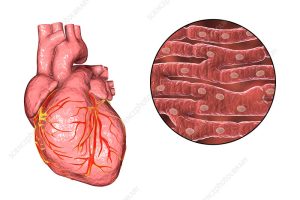

Hawthorns are believed to enhance the strength and efficiency of the heart muscle, making it a valuable herb for those with heart conditions.
2. Regulate Blood Pressure:
By promoting the dilation of blood vessels, hawthorn can help lower high blood pressure and improve overall circulation.
3. Reduce Cholesterol:
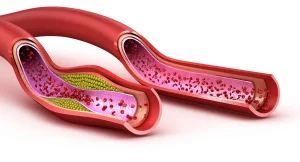

Some studies indicate that hawthorn may help reduce levels of “bad” LDL cholesterol, thereby contributing to better heart health.
Antioxidant Powerhouse;
Hawthorns are rich in antioxidants, which help neutralize free radicals in the body. This can reduce inflammation and protect against chronic diseases, including those related to aging and oxidative stress. The antioxidants in hawthorn also support the health of blood vessels, further enhancing its cardiovascular benefits.
Potential Uses and Preparations;


HAWTHORN AND HEART HEALTH
Hawthorns can be consumed in various forms, including:
1. Teas:
Hawthorn tea is made from the dried leaves, flowers, or berries and is a popular way to consume the herb.
2. Tinctures:
Liquid extracts of hawthorn provide a concentrated dose of its beneficial compounds.
3. Capsules:
For those who prefer a more convenient option, hawthorn is available in capsule form as a dietary supplement.
Safety and Side Effects;

HAWTHORN AND HEART HEALTH
While hawthorn is generally considered safe for most people, it can interact with certain medications, particularly those related to heart and blood pressure treatments. Common side effects are rare but can include dizziness, nausea, and gastrointestinal discomfort. It is always advisable to consult with a healthcare professional before incorporating hawthorn into your health regimen.
Summary
Hawthorn is an amazing plant that has long been used to promote general wellness and heart health. It is a useful complement to natural health practices because of its potent antioxidants and cardiovascular advantages. Like any herbal treatment, you may safely benefit from hawthorn’s many benefits by using it properly and consulting a healthcare professional.