Fruits
Health Components of Cucumber

Health Components of Cucumber. Without cucumbers, a healthy diet wouldn’t be complete! Cucumbers belong to the Cucurbitaceae family of gourds, which also includes pumpkins, squash, and melons. This fruit is low in calories and high in water and other minerals like fiber, calcium, potassium, and vitamins A, K, and C.
HEALTH COMPONENTS OF CUCUMBER
The Cucurbitaceae family of creeping vine plants includes the widely grown cucumber, which produces cylindrical to spherical fruits that are utilized as culinary veggies. There are three primary varieties of this annual plant: pickling, slicing, and seedless.
1. Promotes more hydration
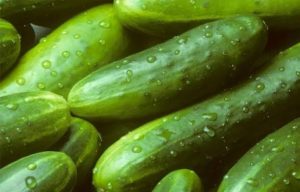

Your health needs to drink water every day. It aids in: • Digestion. • Achy joints. Kidney function. • Memory and thought processes. The control of body temperature.
2. Fortifies bones
Vitamin K, which cucumbers are rich in, is very beneficial for bone health. Consuming enough vitamin K through diet lowers your risk of bone fractures and encourages the growth of healthy bone mass. Your chance of developing osteoporosis increases if your bone mineral density is poor.
3. Supports intestinal health
Cucumber water naturally aids in digestion by facilitating the breakdown of meals and the absorption of nutrients. the fiber in cucumbers also helps to maintain regular bowel motions.
4. Assists in controlling weight/ blood sugar
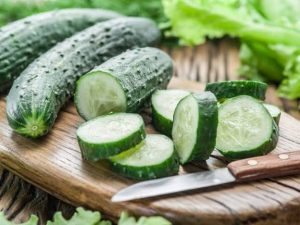

Cucumber snacks are very cost-effective, particularly for those who are obese, which is the main risk factor for Type 2 diabetes. They include less calories, sugar, and carbs. Cucumbers’ water and fiber content can also help you feel fuller for longer.
5. Offers cancer prevention
High concentrations of the naturally occurring plant chemical cucurbitacin B, which is attracting interest for its impact on cancer cells, are found in cucumbers. According to a recent analysis of studies, CuB may help prevent cancers of the liver, breast, lung, and prostate.
6. Enhances cardiac health
Elevated salt levels cause hypertension. By counteracting the effects of sodium, potassium helps reduce blood pressure. Cucumbers’ low sodium content and high potassium content work together to lower blood pressure.
7. Enhances cardiac health


Health Components of Cucumber
Elevated salt levels cause hypertension. By counteracting the effects of sodium, potassium helps reduce blood pressure. Cucumbers’ low sodium content and high potassium content work together to lower blood pressure.
Summary
With 95% to 96% water content and a wealth of vital nutrients, cucumbers are a low-calorie, extremely hydrating vegetable.