Health
Health Impacts of Vitamin C

Health Impacts of Vitamin C. For general health and wellbeing, it is crucial to make sure you are getting enough vitamin C. You may easily achieve your vitamin C requirements by include a variety of fruits and vegetables in your regular diet. Recall that the best way to get this essential nutrient and get its many health advantages is to eat a balanced diet full of whole foods. For individualized guidance, speak with a healthcare provider if you have any particular dietary limitations or health issues.
HEALTH IMPACTS OF VITAMIN C
Vitamin C, commonly known as ascorbic acid, is an essential nutrient that plays a significant role in sustaining general health. The human body is unable to produce this water-soluble vitamin, so it must be acquired through diet. This article explains the importance of the vitamin and how to make sure you’re receiving enough of it.
1. Immune System Support:

– The Vitamin is known for its role in boosting the immune system. It stimulates the production and function of white blood cells, which are essential for fighting off infections. It also helps in the production of antibodies, enhancing the body’s defense mechanisms.

2. Antioxidant Properties:
– As a powerful antioxidant, The vitamin helps protect cells from damage caused by free radicals. This protection is crucial in reducing the risk of chronic diseases such as heart disease and cancer.
3. Collagen Synthesis:
– The Vitamin is essential for the production of collagen, a protein that supports the structure of the skin, blood vessels, bones, and connective tissues. Adequate collagen production helps maintain skin elasticity and wound healing.
4. Iron Absorption:

– The Vitamin enhances the absorption of non-heme iron (the type of iron found in plant-based foods), making it crucial for individuals who rely on vegetarian or vegan diets to meet their iron needs. Improved iron absorption helps prevent iron deficiency anemia.

5. Skin Health:
– By aiding in collagen production and acting as an antioxidant, The vitamin helps keep the skin healthy and youthful. It can reduce the appearance of wrinkles and improve skin texture.
Sources of The Vitamin;
Incorporating a variety of vitamin C-rich foods into your diet is the best way to ensure adequate intake. Here are some top sources:
1. Citrus Fruits:


Health Impacts of Vitamin C
– Oranges, lemons, limes, and grapefruits are well-known for their high vitamin content. A single orange can provide over 70 mg of the vitamin, which is more than the recommended daily intake for adults.
2. Berries:
– Strawberries, blueberries, raspberries, and blackberries are excellent sources of vitamin. One cup of strawberries provides about 89 mg of vitamin.
3. Kiwi:
– Kiwi is a vitamin powerhouse, with one medium-sized kiwi containing around 71 mg of vitamin C. It’s also rich in other essential nutrients like vitamin K and potassium.
4. Bell Peppers:


Health Impacts of Vitamin C
– Bell peppers, especially the red variety, are incredibly rich in the vitamin. One cup of chopped red bell pepper delivers approximately 190 mg of vitamin C, significantly more than the daily requirement.
5. Broccoli:
– This cruciferous vegetable is not only a good source of fiber and vitamins A and K but also provides a substantial amount of vitamin C. One cup of cooked broccoli contains about 81 mg of C vitamin.
6. Tomatoes:

Health Impacts of Vitamin C
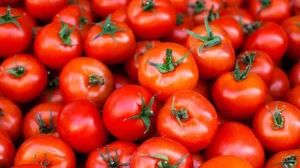
– Tomatoes and tomato-based products like sauce and juice are great sources of C vitamin. One medium-sized tomato provides about 17 mg of the vitamin, and a cup of tomato juice offers around 45 mg.
Summary
The body need vitamin C to create blood vessels, cartilage, muscle, and bone collagen. Vitamin C is also necessary for the body to heal. Vitamin C, also known as ascorbic acid, aids in preventing cell damage. Antioxidants are substances, such as vitamin C, that prevent cell damage.