environment
Herbicides and Environmental Management

Herbicides and Environmental Management. Herbicides provide major advantages in crop yield and weed control, making them essential instruments in contemporary agriculture and environmental management. To reduce possible dangers to the environment and human health, its use must be carefully controlled. In order to ensure that these essential chemicals may be used safely and efficiently in the future, ongoing research and development aims to produce more targeted and sustainable herbicides.
HERBICIDES AND ENVIRONMENTAL MANAGEMENT
Chemicals called herbicides, sometimes referred to as weed killers, are used to manage undesirable vegetation. By identifying and getting rid of invasive weeds that compete with crops for nutrients, water, and sunlight, they are essential to contemporary gardening, agriculture, and environmental management.
Types of Herbicides;
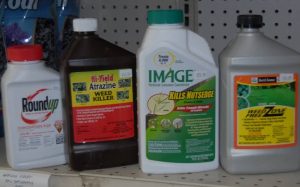

Herbicide can be classified into several categories based on their mode of action, selectivity, and application timing:
1. Selective Herbicides: These target specific types of plants while leaving others unharmed. For example, broadleaf herbicide is designed to kill dicot plants (like dandelions) without affecting monocot plants (like grasses).
2. Non-Selective Herbicides: These kill all plant types and are typically used in areas where complete vegetation control is desired, such as industrial sites, railways, and roadsides.
3. Pre-Emergent Herbicides:
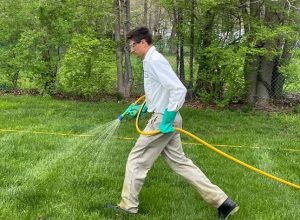

Applied before the weed seeds germinate, these prevent the emergence of new weeds by inhibiting seedling growth.
4. Post-Emergent Herbicides: These are applied after the weeds have emerged and are actively growing. They work by disrupting critical physiological processes in the plant.
Mechanism of Action;
Herbicides operate through various mechanisms, depending on their chemical composition and target plants. Common modes of action include:
– Inhibition of Photosynthesis:
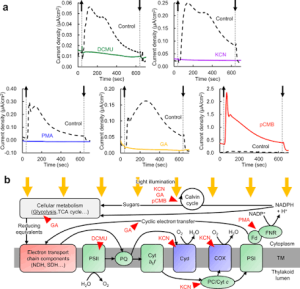

Some herbicide interfere with the plant’s ability to conduct photosynthesis, effectively starving the plant of energy.
– Disruption of Cell Division: Certain herbicides prevent cell division, hindering plant growth and development.
– Hormonal Disruption: Some herbicides mimic plant hormones, causing abnormal growth and eventually death.
Benefits;
The use of herbicides offers several advantages, particularly in agriculture:
– Increased Crop Yields: By effectively controlling weeds, herbicide help ensure that crops receive more of the essential resources they need to grow, leading to higher yields.
– Labor and Cost Efficiency:
Herbicide reduce the need for manual weeding, saving time and labor costs for farmers and gardeners.
– Improved Soil Health:


Herbicides and Environmental Management
When used properly, herbicide can reduce soil erosion by maintaining ground cover and minimizing the need for tillage.
Environmental and Health Concerns;
Despite their benefits, herbicides pose potential risks to the environment and human health. Overuse or improper application can lead to:
– Herbicide Resistance: Weeds can develop resistance to herbicide over time, making them harder to control and leading to the need for stronger chemicals.
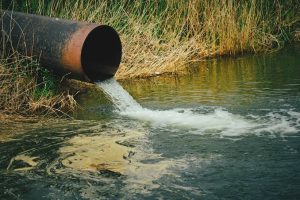
– Water Contamination:

Herbicides and Environmental Management
Runoff from herbicide-treated areas can contaminate water sources, affecting aquatic ecosystems and potentially entering drinking water supplies.
– Human Health Risks: Exposure to certain herbicide has been linked to health issues, including respiratory problems, skin irritation, and in some cases, more severe conditions such as cancer.
Summary
Herbicide-resistant weed species are rapidly emerging as a result of the overuse and indiscriminate application of herbicides and their dominance in weed control. Additionally, environmental losses of the herbicides’ active constituents seriously harm the ecosystem and endanger living things.