Music
Hiring process and years of experience

Hiring process and years of experience. Planning, sourcing, screening, interviewing, evaluation, background checks, and offer are the seven phases of the hiring process that are typically used to examine candidates’ qualifications, experience, and cultural fit. While years of experience have historically been important to many businesses, potential, fundamental abilities, and personality are often given more weight in modern hiring practices as greater performance indicators.
HIRING PROCESS AND YEARS OF EXPERIENCE
The demand for a specific number of years of experience is a common criterion that frequently sticks out in job descriptions in the competitive world of job hunting. Employers prioritize experience for a number of compelling reasons, despite the fact that some may see it as a simple checkbox. Employers hope to create teams capable of overcoming obstacles, fostering creativity, and achieving long-term success in the fast-paced corporate world of today by giving experience first priority during the hiring process.
1. Skill Proficiency:
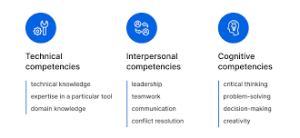

Employers seek candidates who possess the necessary skills to excel in a role from day one. Years of experience often translate to a higher level of proficiency in executing job tasks efficiently and effectively.
2. Training Efficiency:
Hiring individuals with prior experience can significantly reduce the time and resources needed for training. Experienced candidates are more likely to require minimal onboarding, allowing companies to streamline the transition process and maximize productivity.
3. Problem-Solving Aptitude:

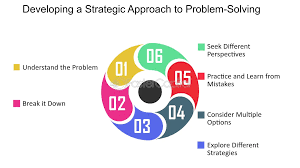
Hiring process and years of experience
Through years of navigating various challenges and obstacles, experienced professionals develop robust problem-solving abilities. Employers value this attribute as it enables employees to adapt to unforeseen circumstances and find innovative solutions.
4. Industry Insights:
Seasoned professionals possess a deep understanding of industry dynamics, trends, regulations, and best practices. Their accumulated knowledge equips them to make informed decisions and contribute valuable insights to the organization.
5. Leadership Potential:


Hiring process and years of experience
Extensive experience often correlates with leadership qualities such as decisiveness, strategic thinking, and effective communication. Employers recognize the leadership potential in experienced candidates, envisioning them as valuable assets capable of guiding and mentoring junior team members.
6. Credibility and Reliability:
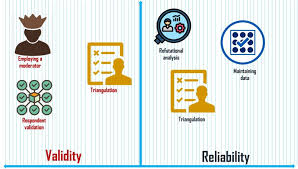

A track record of sustained success over several years instills confidence in employers regarding a candidate’s credibility and reliability. Past achievements and proven consistency reassure employers that the candidate is capable of delivering results and upholding the organization’s standards.
Summary
In conclusion, years of experience is a critical indicator of a candidate’s potential to succeed in a role, even though it may appear to be a superficial need at first. Experience is valued by employers for its breadth of knowledge, abilities, and insights as much as its duration.