Uncategorized
Historical Analysis of Olives

Historical Analysis of Olives. Olives are more than just a fruit; they are a symbol of culture and cuisine. They are a beloved ingredient all around the world because of their rich history, variety, and many health advantages. Olives remain a classic and cherished cuisine, whether they are eaten as a straightforward snack or as an essential part of a sophisticated meal.
HISTORICAL ANALYSIS OF OLIVES
The olive tree originated 20–40 million years ago during the Oligocene, in what is now Italy and the eastern Mediterranean Basin, according to fossil evidence. In Africa, on Morocco’s Atlantic coast, people utilized olives for fire and most likely for food about 100,000 years ago.
Historical Significance;
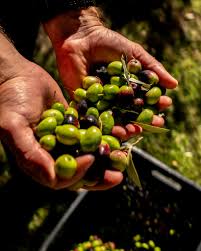

Olives have a rich history dating back to ancient civilizations. They were integral to the diets of the Greeks, Romans, and Egyptians and held symbolic meaning in their cultures. Olive branches were considered a symbol of peace and victory, and olive oil was used in religious rituals, medicine, and even as a form of currency.
Varieties and Cultivation;
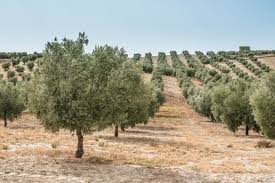

There are hundreds of olive varieties, each with unique flavors and characteristics. The main categories are green olives, which are harvested before they ripen, and black olives, which are fully ripe. Notable varieties include Kalamata, known for their almond shape and rich flavor, and Arbequina, small and highly prized for their delicate taste.
Olives are grown on evergreen trees that thrive in warm climates with well-drained soil. These trees are hardy and can live for centuries, sometimes even producing fruit after hundreds of years.
Nutritional Profile;


Historical Analysis of Olives
Olives are celebrated for their health benefits. They are rich in monounsaturated fats, particularly oleic acid, which is known to reduce inflammation and improve heart health. Olives also contain antioxidants, including vitamin E, which help protect cells from damage. Additionally, they are a good source of dietary fiber, iron, and copper.
Culinary Uses;

Historical Analysis of Olives
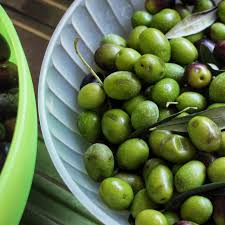
Olives are incredibly versatile in the kitchen. They can be used to salads, pizzas, pastas, or enjoyed as a snack on their own. They can also be used to make the savory spread known as tapenade. Olive oil, which is made from the fruit, is essential to Mediterranean food and is used in marinades, sauces, and cooking. Extra virgin oil is the least processed and tasty type of oil, whereas refined oils are better suited for cooking at high temperatures.
Summary
Olive trees, which are the little fruits of the Olea europaea tree, have been cultivated for thousands of years, mostly in the Mediterranean region. In addition to their distinctive flavor, these ancient fruits are prized for their numerous applications and health benefits.