Health
Indigestion Meaning



Indigestion meaning. Upper abdominal pain or discomfort, often known as dyspepsia, is frequently accompanied with bloating, a rapid feeling of fullness, nausea, and burp. It is frequently brought on by lifestyle choices including eating too much, too fast, or meals that are acidic, spicy, or greasy. You can reduce stress, eat smaller meals, avoid trigger foods, and avoid lying down right after eating as ways to alleviate it. See a physician to rule out underlying diseases such as ulcers or GERD in cases that are severe or chronic.
INDIGESTION MEANING
Common digestive complaints like indigestion can typically be treated with over-the-counter drugs and lifestyle modifications. However, in order to rule out more serious illnesses, persistent or severe symptoms should trigger a visit to a healthcare provider. People can take proactive measures to properly manage their digestive health by being aware of the causes and symptoms of indigestion.
Causes;
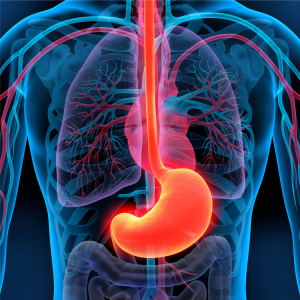

Indigestion can be caused by various factors, including:
1. Overeating: Consuming large meals or eating too quickly can overwhelm the digestive system.
2. Spicy or fatty foods: These can irritate the stomach lining and lead to discomfort.
3. Acid reflux: When stomach acid flows back into the esophagus, it can cause a burning sensation and contribute to indigestion.
4. Stress and anxiety: Psychological factors can affect digestion and lead to symptoms of indigestion.
5. Certain medications: Some drugs can irritate the stomach or affect digestive processes.
Symptoms;


INDIGESTION MEANING
Common symptoms of indigestion include:
– Pain or discomfort in the upper abdomen
– Feeling overly full or bloated
– Belching or gas
– Nausea and occasional vomiting
– Acidic taste in the mouth
– Growling stomach
Managing Indigestion;


INDIGESTION MEANING
For mild cases of indigestion, simple lifestyle changes and home remedies can often provide relief:
– Eat smaller, more frequent meals: This reduces the workload on your digestive system.
– Avoid trigger foods: Spicy, fatty, or acidic foods can worsen symptoms.
– Chew food thoroughly: Proper chewing aids digestion and reduces the risk of indigestion.
– Stay upright after eating: Avoid lying down immediately after meals to help prevent acid reflux.
– Reduce stress: Practice relaxation techniques such as deep breathing or yoga.
When to Seek Medical Advice;


INDIGESTION MEANING
While indigestions are usually not serious, persistent or severe symptoms may require medical evaluation, especially if accompanied by:
– Difficulty swallowing
– Unintentional weight loss
– Persistent vomiting
– Severe abdominal pain
– Blood in vomit or stools
Treatment;


Treatment for indigestions depends on the underlying cause but may include:
– Antacids to neutralize stomach acid
– Proton pump inhibitors (PPIs) to reduce acid production
– Antibiotics if H. pylori infection is present
– Counseling or stress management techniques for stress-related indigestions
Summary
People of all ages suffer from indigestion, commonly referred to as dyspepsia, a common digestive problem. It is typified by upper abdominal pain or discomfort, which frequently happens after eating or drinking. Even though occasional indigestion is usually benign and treatable with easy fixes, severe or ongoing symptoms could point to a medical issue that needs to be treated.