oil
Key Relevance of Essential Oils



Key relevance of essential oils. They provide a safe, all-natural solution to improve wellbeing and treat a range of health issues. These top five essential oils—lavender, peppermint, tea tree, eucalyptus, and lemon—offer a variety of therapeutic advantages, whether you’re wanting to unwind, increase your energy, or improve the health of your skin. Always keep in mind to use essential oils responsibly, adhering to recommended dilution levels and seeking medical advice when needed.
KEY RELEVANCE OF ESSENTIAL OILS
Essential oils are volatile, concentrated liquids that are extracted from plants by mechanical pressing or distillation. Their distinct chemical compositions offer each oil distinct qualities and effects, and they capture the natural flavor and aroma of the plant. They can be administered topically (typically diluted) or inhaled, but because of their potency, they should be used carefully. They are utilized in aromatherapy, cosmetics, and some medical uses.
1. Lavender oil;
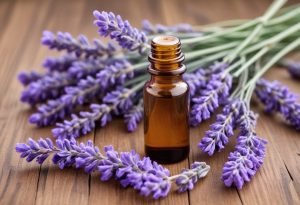

Lavender oil is one of the most popular and versatile essential oils. Known for its calming and relaxing properties, it is often used to alleviate stress, anxiety, and insomnia. Its benefits include:
– Stress Relief: Diffusing lavender oil can promote a sense of calm and relaxation.
– Sleep Aid: Applying a few drops to your pillow or using it in a diffuser before bed can improve sleep quality.
– Skin Health: It has antiseptic and anti-inflammatory properties, making it useful for treating minor burns, cuts, and skin irritations.
2. Peppermint Oil;
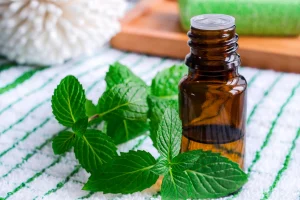

Peppermint oil is well-known for its invigorating scent and cooling sensation. It is commonly used for its ability to improve energy levels and mental focus. Its benefits include:
– Headache Relief: Applying diluted peppermint oil to the temples can help alleviate tension headaches.
– Digestive Health: Inhaling peppermint oil or massaging it onto the abdomen can relieve symptoms of indigestion and nausea.
– Respiratory Support: The menthol in peppermint oil can help clear sinuses and improve respiratory function.
3. Tea Tree Oil;

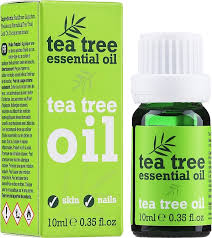
Key relevance of essential oils
Tea tree oil has powerful antiseptic and antimicrobial properties. It is most times used in skin care and household cleaning products. Its benefits include:
– Acne Treatment: Applying diluted tea tree oil to acne-prone skin can help reduce breakouts and inflammation.
– Antifungal Properties: It is effective in treating fungal infections such as athlete’s foot and nail fungus.
– Household Cleaner: Adding tea tree oil to homemade cleaning solutions can help disinfect surfaces.
4. Eucalyptus Oil;


Key relevance of essential oils
Eucalyptus oil is known for its fresh, clean scent and its ability to support respiratory health. Its benefits include:
– Respiratory Relief: Inhaling eucalyptus oil or using it in steam therapy can help alleviate symptoms of colds, flu, and sinusitis.
– Pain Relief: When diluted and applied topically, eucalyptus oil can help relieve muscle and joint pain.
– Insect Repellent: It can be used as a natural insect repellent and to soothe insect bites.
5. Lemon Oil;


Key relevance of essential oils
Lemon oil is renowned for its invigorating and energizing aroma. Its mood-boosting and detoxifying qualities make it a popular choice. Its benefits include:
– Mood Enhancer: Diffusing lemon oil can improve mood and reduce feelings of anxiety and depression.
– Skin Brightening: Adding a few drops of lemon oil to skincare products can help brighten and tone the skin.
– Natural Cleaner: Lemon oil’s antibacterial and antiviral properties make it an excellent addition to homemade cleaning solutions.
Summary
Essential oils, which are derived from plant essence, have been used for their therapeutic properties since ancient times. There are several uses for these highly concentrated oils, including topical use, aromatherapy, and ingestion (under proper supervision) under specific circumstances.