legumes
Kidney Legumes

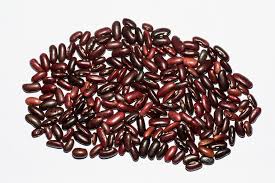

Kidney legumes. Known for their high protein, fiber, carbohydrate, vitamin, and mineral content, kidney beans are a popular kidney-shaped legume that is used all over the world in salads, curries (rajma), and chili dishes. However, they must be cooked thoroughly to eliminate toxins. They are a low-fat, nutrient-dense supplement to any diet and are a flexible, reasonably priced plant-based staple available in red, dark red, and white (cannellini) types.
KIDNEY LEGUMES
A versatile and nutrient-dense legume, kidney beans complement a variety of recipes. their strong taste. They continue to be a favorite in kitchens all around the world because of their substantial health advantages and favorable effects on the environment. Beans are proof of the timeless popularity of healthful, plant-based foods, whether they are consumed in a straightforward salad, a hearty curry, or a fiery chili.
Culinary Uses;


Kidney beans are a cornerstone in many traditional dishes, especially in Latin American, Indian, and Caribbean cuisines. In Mexican cuisine, they are commonly used in chili con carne, where they add heartiness and flavor to the dish. Indian cuisine features kidney beans in rajma, a popular North Indian curry served with rice or naan.
In Caribbean cooking, kidney beans are often found in rice and peas, a traditional dish made with coconut milk, herbs, and spices. Additionally, they are used in salads, soups, and stews across various cultures, showcasing their versatility and ability to absorb flavors.
Nutritional Benefits;


KIDNEY LEGUMES
Kidney beans are a powerhouse of nutrition. They are an excellent source of plant-based protein, making them an ideal food for vegetarians and vegans. They are also rich in dietary fiber, which aids in digestion and helps maintain healthy cholesterol levels. Kidney beans provide essential vitamins and minerals, including folate, iron, potassium, and magnesium, all of which support overall health and well-being.
Health Benefits;


KIDNEY LEGUMES
The high fiber content in beans supports digestive health and can help prevent constipation. Their low glycemic index makes them suitable for individuals managing diabetes, as they provide a steady release of energy and help regulate blood sugar levels. The protein in kidney beans is essential for muscle repair and growth, while their iron content is crucial for preventing anemia.
Kidney beans also contain antioxidants, which help reduce inflammation and protect against chronic diseases such as heart disease and cancer. Their folate content is particularly beneficial for pregnant women, as it supports fetal development and reduces the risk of birth defects.
Environmental Impact;


KIDNEY LEGUMES
Kidney bean are environmentally friendly, requiring less water and fewer resources to grow compared to many animal-based protein sources. As legumes, they also improve soil health by fixing nitrogen, reducing the need for synthetic fertilizers and enhancing soil fertility for future crops. This makes them a sustainable choice for both farmers and consumers looking to reduce their environmental footprint.
Summary
Named for their unique color and shape, kidney beans are a common ingredient in many different cuisines across the world. These beans are a great addition to a well-balanced diet because of their strong flavor and creamy texture, as well as their abundance of vital elements.