Children
Kids and perfumes

Kids and perfumes. The potential hazards of putting perfumes on newborns much outweigh any perceived benefits, even though the image of a sweet-smelling baby could be alluring. Extra care and attention are necessary due to the sensitive nature of an infant’s skin, respiratory system, and general growth. Parents can protect their infant’s health and comfort while avoiding the risks associated with perfumes by selecting safer, carefully made products.
KIDS AND PERFUMES
While perfumes and fragrances are often used by adults to enhance personal scent, their use on infants is strongly discouraged. Here are four critical reasons why perfumes are not suitable for infants:
1. Sensitive Skin;
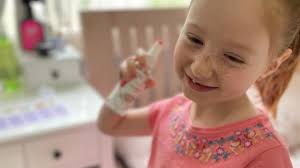

Infants have incredibly delicate and sensitive skin, which is much thinner than that of adults. This makes them more prone to irritation and allergic reactions. The chemicals and alcohol present in most perfumes can cause redness, rashes, and dryness. Given the immaturity of an infant’s skin barrier, applying perfume can lead to significant discomfort and skin issues.
2. Respiratory Concerns;
Infants have developing respiratory systems that can be easily affected by strong scents. The volatile organic compounds (VOCs) found in perfumes can contribute to respiratory problems such as wheezing, coughing, and in some cases, more severe conditions like asthma. Infants’ lungs and nasal passages are particularly sensitive, and exposure to strong perfumes can exacerbate these vulnerabilities.
3. Potential Allergens;

Kids and perfumes
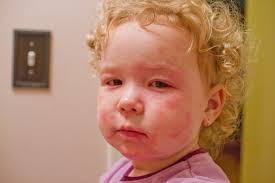
Many perfumes contain a variety of ingredients that can act as allergens, including synthetic fragrances, essential oils, and preservatives. Infants, with their still-developing immune systems, are at a higher risk of experiencing allergic reactions to these substances. Symptoms can range from mild, like itching and swelling, to severe, such as difficulty breathing and hives.
4. Endocrine Disruption;
Some ingredients commonly found in perfumes, such as phthalates, are known endocrine disruptors. These chemicals can interfere with the body’s hormonal systems and have been linked to various health issues, including developmental problems. Given that infants are in a critical stage of growth and development, exposure to endocrine disruptors can have long-lasting and potentially serious consequences.
Safer Alternatives for Infants;

Kids and perfumes
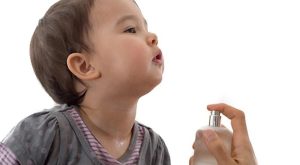
Instead of using perfumes, parents and caregivers should opt for products specifically designed for infants. Mild, fragrance-free baby lotions, shampoos, and soaps are formulated to be gentle on sensitive skin and free from harmful chemicals. Keeping infants clean through regular bathing and ensuring their clothing and bedding are washed with hypoallergenic detergents can also help maintain a pleasant and fresh scent without the risks associated with perfumes.
Summary
Safety and skin sensitivity are the top priorities when it comes to children and perfumes. Because adult perfumes contain strong alcohol and compounds like phthalates that can cause skin irritation or respiratory discomfort, pediatricians typically advise against applying them on young children. Instead, choose kid-friendly, gentle, alcohol-free, and hypoallergenic formulas.