vegetables
Leafy Green Romaine Lettuce


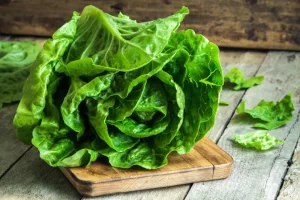
LEAFY GREEN ROMAINE LETTUCE
Leafy green romaine lettuce. Growing romaine lettuce in home gardens is not too difficult. It can be planted in the spring or fall and does well in cool temperatures. Romaine likes regular watering and soil that drains properly. Cutting off the outer leaves will allow the plant to continue growing new leaves. Romaine lettuce is a nutrient-rich leafy green with several health advantages, from improving digestion and heart health to supporting bone and eye health. It may be used in a variety of recipes, from salads and sandwiches to wraps and smoothies, thanks to its mild flavor and crisp texture. Adding romaine lettuce to your diet is a simple and tasty method to increase your consumption of important vitamins and minerals.
LEAFY GREEN ROMAINE LETTUCE
Romaine lettuce, sometimes referred to as cos lettuce, is a common leafy green vegetable with a moderate flavor and crisp texture. In addition to being tasty, romaine lettuce is full of vital elements that support a balanced diet and is frequently used in salads and sandwiches. Here’s a closer look at what distinguishes romaine lettuce from other vegetables
Nutritional Profile;

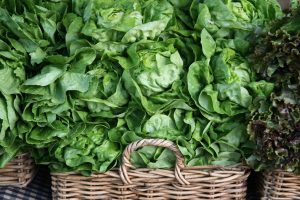
LEAFY GREEN ROMAINE LETTUCE
cos lettuce is low in calories but high in vitamins and minerals. A one-cup serving of chopped romaine lettuce provides:
– Calories: Approximately 8
– Vitamin A: 81% of the daily recommended intake
– Vitamin K: 60% of the daily recommended intake
– Folate: 16% of the daily recommended intake
– Vitamin C: 15% of the daily recommended intake
Additionally, romaine lettuce contains small amounts of calcium, potassium, magnesium, and dietary fiber.
Health Benefits;


1. Supports Eye Health:
• Cos lettuce is rich in vitamin A and beta-carotene, which are essential for maintaining healthy vision. These nutrients help protect the eyes from age-related conditions such as macular degeneration and cataracts.
2. Boosts Immune System:
• The high vitamin C content in romaine lettuce helps boost the immune system, supporting the body’s ability to fight off infections and diseases.
3. Promotes Heart Health:

• cos lettuce contains folate, a B-vitamin that helps lower levels of homocysteine, an amino acid associated with an increased risk of heart disease. Additionally, the potassium in romaine lettuce helps regulate blood pressure, further supporting cardiovascular health.

4. Aids Digestion:
• The fiber in cos lettuce promotes healthy digestion by adding bulk to the stool and preventing constipation. It also supports a healthy gut microbiome, which is essential for overall digestive health.
5. Bone Health:
• Vitamin K, abundant in cos lettuce, is crucial for bone health. It helps in the synthesis of proteins necessary for bone formation and mineralization, reducing the risk of osteoporosis and fractures.
Culinary Uses;


Cos lettuce is highly versatile and can be used in a variety of dishes:
– Salads: cos lettuce is a key ingredient in classic salads like Caesar salad. Its crisp texture makes it perfect for fresh, crunchy salads.
– Wraps: Use romaine leaves as a low-carb alternative to tortillas for wraps and tacos.
– Sandwiches: Add romaine to sandwiches and burgers for added crunch and nutrition.
– Smoothies: Blend romaine into green smoothies for an extra boost of vitamins and minerals.
– Grilled: Lightly grill romaine hearts for a unique and flavorful side dish.
Summary
A versatile and nutrient-rich vegetable, leafy green romaine lettuce has a crisp texture and a slightly sweet yet slightly bitter flavor. It is a good source of iron, potassium, folate, and vitamins A, K, and C. Romaine can be cooked by grilling, sautéing, or braising, or it can be consumed raw in salads and wraps.