Food
Legumes Varieties

Legumes Varieties. They are nutrient-dense foods with many health advantages, such as improving digestion and heart health and supplying vital vitamins and minerals. Including a range of legumes in your diet can improve your general health and offer a tasty, adaptable, and long-lasting source of nutrition.
LEGUMES VARIEITIES
Legumes, a category of vegetables that includes beans, peas, and lentils, are renowned for their rich nutrient profile and health benefits. They are excellent sources of protein, fiber, vitamins, and minerals, making them essential components of a balanced diet. Here are ten legumes you should know about:
1. Chickpeas;
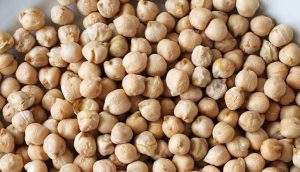

Chickpeas are versatile and nutritious, commonly used in dishes like hummus and salads. They are high in protein, fiber, iron, and folate, making them excellent for heart health, digestion, and energy levels.
2. Lentils;
Lentils come in various colors, including green, brown, red, and black. They are a fantastic source of protein, fiber, and essential nutrients like iron, magnesium, and potassium. Lentils cook quickly and are great in soups, stews, and salads.
3. Black Beans;
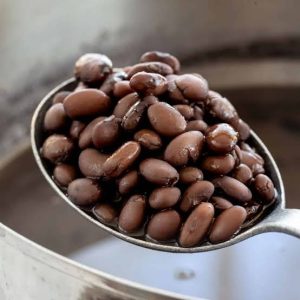

Rich in antioxidants, fiber, and protein, black beans are a staple in Latin American cuisine. They support digestive health, blood sugar regulation, and provide sustained energy. Black beans are perfect for soups, burritos, and salads.
4. Kidney Beans;
Kidney beans are known for their distinctive shape and rich red color. They are packed with protein, fiber, iron, and folate. These beans are commonly used in chili, stews, and rice dishes, supporting heart health and stable blood sugar levels.
5. Pinto Beans;


Pinto beans are popular in Mexican cuisine and are often used in refried beans and burritos. They are high in protein, fiber, and antioxidants, which help promote heart health and digestive wellness.
6. Navy Beans;
Navy beans, also known as haricot beans, are small, white, and commonly used in baked beans. They are rich in protein, fiber, and essential minerals like magnesium and iron, promoting cardiovascular health and muscle function
7. Green Peas;
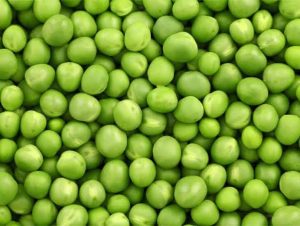

Green peas are sweet and nutritious, offering a good source of protein, fiber, vitamins A, C, and K, and folate. They can be eaten fresh, frozen, or canned and are excellent in soups, salads, and side dishes.
8. Fava Beans;
Fava beans are large, flat beans with a creamy texture and nutty flavor. They are high in protein, fiber, iron, and folate, supporting muscle growth, energy production, and overall health. Fava beans are delicious in stews, salads, and dips.
9. Soybeans;

Legumes Varieties
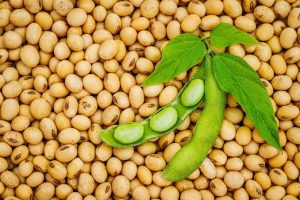
Soybeans are incredibly versatile and are used to make products like tofu, tempeh, and soy milk. They are a complete protein source, providing all essential amino acids, and are rich in fiber, vitamins, and minerals. Soybeans support heart health, bone health, and hormonal balance.
10. Black-Eyed Peas;
Black-eyed peas, with their distinctive black spot, are rich in protein, fiber, folate, and magnesium. They are traditionally used in Southern cuisine, particularly in dishes like Hoppin’ John. These peas promote digestive health and provide sustained energy.
Incorporating Legumes into Your Diet;

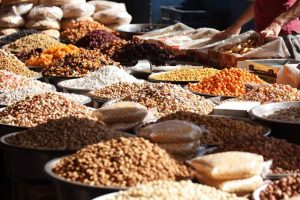
Legumes Varieties
– Salads: Add cooked legumes to salads for a protein and fiber boost.
– Soups and Stews: Use legumes as a hearty base for soups and stews.
– Side Dishes: Serve seasoned legumes as a nutritious side dish.
– Main Dishes: Incorporate legumes into main dishes like burritos, casseroles, and curries.
– Snacks: Enjoy roasted chickpeas or edamame as a healthy snack.
Summary
Chickpeas, beans (including butter beans, haricot (navy) beans, cannellini beans, red kidney beans, adzuki beans, black-eyed beans, and soybeans), peas, lentils, and lupins are well-known dry legumes.