
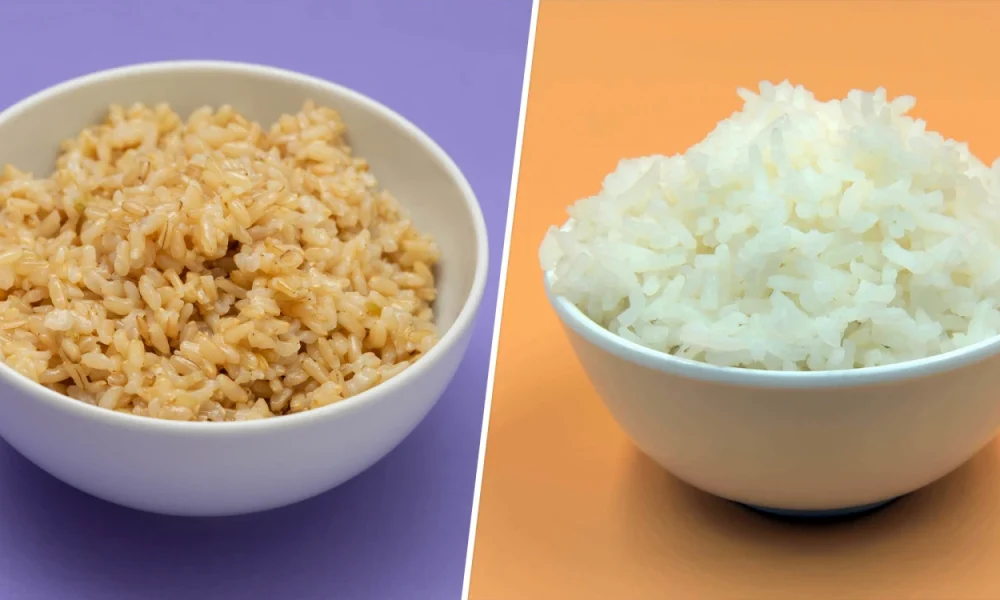
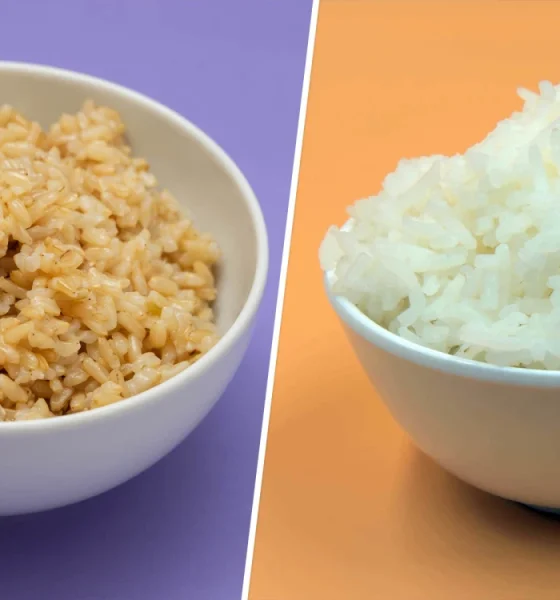
White and brown rice relevance. As a nutrient-dense, whole-grain substitute for refined white rice, brown rice is very relevant and...


Eggs consumption and health conditions. Despite having a high dietary cholesterol content, eggs are nutrient-dense, including high-quality protein, choline, and antioxidants (lutein/zeaxanthin) that promote eye health....

Turmeric paste benfits. Because of its high curcumin content, turmeric paste—which is mostly formed from turmeric powder, fat (oil/ghee), and black pepper—offers strong anti-inflammatory and antioxidant...

Healthy calories food. food that is high in calories. The best foods for gaining weight are frequently plant and animal protein, fats and oils, complex carbohydrates,...
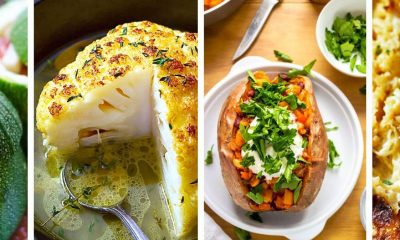

Types of meatless recipes. Check out this delicious collection if you want to incorporate more vegetarian options into your weekly supper routine. Being vegetarian isn’t as...
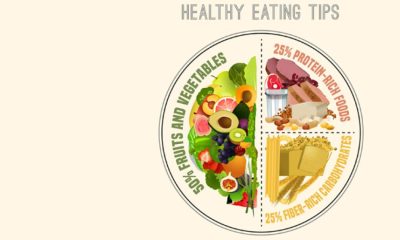

Healthy eating tips. Protein, dairy, complete grains, fruits, and vegetables are all essential parts of a balanced diet. Dairy products that are recommended include lactose-free milk,...


Eating habits to avoid. In a fast-paced world where convenience frequently takes precedence over thoughtful decision-making, poor eating habits have proliferated and have a substantial negative...
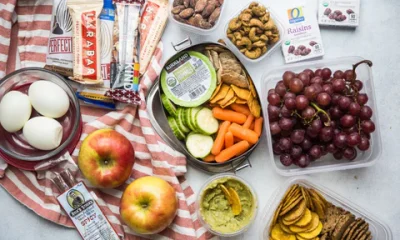

Healthy foods for travelling. Portability, high protein, and minimal mess are the hallmarks of healthy, travel-friendly foods like cheese sticks, jerky, almonds, and dried fruit. Avoid...
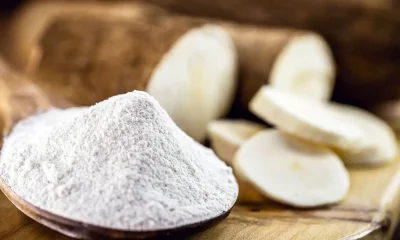

Cassava starch usage. One of the three primary tuber crops in the world, cassava is grown in tropical and subtropical climates in more than 100 nations...
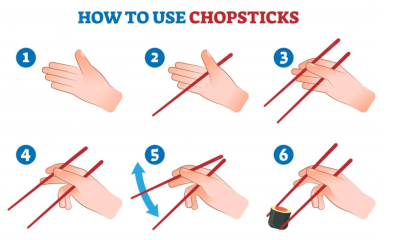

Tips for using chopsticks. The fundamentals of chopstick etiquette include keeping the peace at the dinner table and showing consideration for fellow diners. Since etiquette is...


