Exercise
Low impact exercises

Low impact exercises. These workouts efficiently increase cardiovascular endurance, strength, and flexibility while being kind to your joints. They are perfect for novices, people recovering from injuries, or anybody looking for a long-lasting, joint-friendly workout because one foot usually stays in contact with the floor or water. increase strength and flexibility, lower stress levels, and foster general wellbeing. Keep in mind to begin at a comfortable level and progressively increase the intensity to fit your own fitness objectives and capabilities.
LOW IMPACT EXERCISES
Low-impact exercises are an excellent way to stay active while minimizing stress on your joints and reducing the risk of injury. These exercises are ideal for individuals of all ages, particularly those with joint concerns, arthritis, or those recovering from an injury. Here are five low-impact exercises that can help you maintain fitness and improve overall wellness.
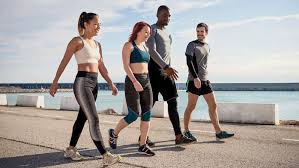
1. Walking;

Description:
Walking is one of the simplest and most accessible forms of exercise. It requires no special equipment and can be done virtually anywhere.
Benefits:
– Improves cardiovascular health
– Strengthens muscles
– Enhances mood and mental clarity
– Aids in weight management
How to Do It:
– Start with a comfortable pace and gradually increase your speed and distance.
– Aim for at least 30 minutes of walking most days of the week.
– Use proper footwear to support your feet and reduce the risk of injury.
Tips:
• Incorporate brisk walking intervals to elevate your heart rate.
• Walk in different environments, such as parks or nature trails, to keep the routine interesting.
2. Swimming;


Description:
Swimming provides a full-body workout without putting strain on your joints. It’s an excellent exercise for building strength and endurance.
Benefits:
– Enhances cardiovascular fitness
– Improves flexibility and range of motion
– Strengthens muscles and builds endurance
– Reduces stress and improves mental health
How to Do It:
– Start with simple strokes like freestyle or backstroke.
– Aim for 20-30 minutes of continuous swimming.
– Incorporate different strokes to engage various muscle groups.
Tips:
– Join a local swimming class or water aerobics group for structured workouts.
– Use flotation devices or kickboards if you’re a beginner or need extra support.
3. Cycling;


Low impact exercises
Description:
Cycling, whether on a stationary bike or outdoors, is a low-impact exercise that provides an excellent cardiovascular workout.
Benefits:
– Enhances cardiovascular health
– Strengthens leg muscles
– Improves joint mobility
– Supports weight management
How to Do It:
– Adjust the bike to fit your body properly, ensuring your knees are slightly bent at the bottom of each pedal stroke.
– Start with a moderate pace and gradually increase intensity.
– Aim for 30 minutes of cycling most days of the week.
Tips:
– Use a stationary bike if you prefer indoor workouts or if the weather is not conducive to outdoor cycling.
– Join a cycling class for added motivation and guidance.
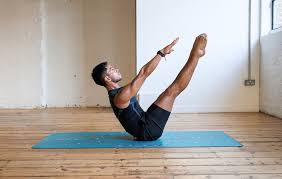
4. Yoga;

Low impact exercises
Description:
Yoga combines physical postures, breathing exercises, and meditation to improve flexibility, strength, and mental clarity.
Benefits:
– Enhances flexibility and balance
– Strengthens muscles
– Reduces stress and anxiety
– Improves overall well-being
How to Do It:
– Start with basic poses like Downward Dog, Child’s Pose, and Warrior Poses.
– Practice yoga for 20-30 minutes, several times a week.
– Focus on your breathing and maintain proper form.
Tips:
– Take a beginner’s yoga class or follow online tutorials to learn the basics.
– Use props like blocks and straps to modify poses as needed.
Summary
Including low-impact workouts in your fitness regimen is a fantastic method to preserve and enhance your health without overtaxing your muscles and joints. Walking, swimming, cycling, yoga, and Tai Chi are all excellent physical and mental exercises that are appropriate for people of all ages and fitness levels. Frequent engagement in these activities can improve cardiovascular health,
.