Health
Mental health and healthy activities

Mental health and healthy activities. Our emotional, psychological, and social well-being are all part of our mental health, which affects our thoughts, feelings, behaviors, and coping mechanisms. It is a basic human right that goes beyond simply the absence of mental disease and is crucial for both individual and societal growth. People who are in good mental health are able to see their potential, handle stress, and perform well at work.
MENTAL HEALTH AND HEALTHY ACTIVITIES
Regular, healthful activities that lower stress, improve mood, and improve general well-being are essential for improving mental health. Regular physical activity (walking, yoga), mindfulness/meditation, eating a balanced diet, getting regular sleep, interacting with others, and taking up hobbies are all important practices. These actions can stop mental health problems including despair and anxiety.
Exercise:


Physical activity is not only beneficial for the body but also for the mind. Regular exercise releases endorphins, neurotransmitters that act as natural mood lifters, reducing feelings of stress, anxiety, and depression. Whether it’s going for a walk, practicing yoga, or participating in a team sport, finding an exercise routine that you enjoy can significantly improve your mental health.
Mindfulness and Meditation:
Mindfulness practices, such as meditation and deep breathing exercises, can help cultivate awareness of the present moment and promote a sense of calm and inner peace. By learning to observe thoughts and sensations without judgment, individuals can reduce stress, enhance self-awareness, and improve their ability to cope with challenging emotions.
Creative Expression:


Mental health and healthy activities
Engaging in creative activities, such as painting, writing, music, or gardening, provides an outlet for self-expression and emotional release. Creativity allows individuals to tap into their innermost thoughts and feelings, fostering a sense of fulfillment and accomplishment. Expressive arts can also serve as a form of therapy, helping individuals process and make sense of their experiences.
Social Connections:
Building and maintaining meaningful relationships with others is essential for mental health and well-being. Spending time with friends, family, or participating in social activities can provide support, encouragement, and a sense of belonging. Connecting with others fosters feelings of happiness, reduces feelings of loneliness, and strengthens resilience in times of adversity.
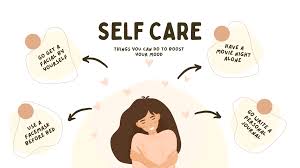
Self-Care Practices:

Mental health and healthy activities
Prioritizing self-care is crucial for maintaining mental and emotional balance. This includes activities such as getting enough sleep, eating a nutritious diet, practicing good hygiene, and setting boundaries to protect personal time and energy. Engaging in self-care activities nourishes the mind, body, and spirit, helping individuals feel more grounded, resilient, and capable of coping with life’s challenges.
Summary
Your general wellbeing and mental health can be significantly improved by including these activities into your everyday routine. You can develop resilience, happiness, and a sense of fulfillment in your life by making self-care a priority, maintaining relationships with others, and taking part in creative and relaxing activities.