Uncategorized
Multiple Sclerosis

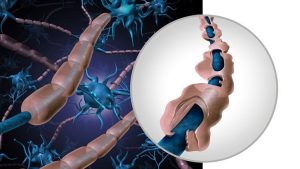

Multiple sclerosis. There is hope for more strong treatments and possibly even a cure thanks to ongoing research into the causes and management of multiple sclerosis. Better management of MS is being made possible by developments in our understanding of the immune system’s role in the disease as well as the creation of novel DMTs. Future treatments for multiple sclerosis may also benefit from initiatives to protect nerve cells and heal myelin loss.For the time being, increasing the quality of life for those with MS requires early diagnosis, efficient treatment, and all-encompassing care.
MULTIPLE SCLEROSIS
Although the precise etiology of multiple sclerosis is unknown, a mix of genetic and environmental factors are thought to be responsible. A genetic predisposition is suggested by the increased risk in those with a family history of multiple sclerosis. An increased chance of developing multiple sclerosis has also been associated with environmental variables, including smoking, low levels of vitamin D, and infections, especially those caused by the Epstein-Barr virus.
Types of MS and Symptoms;


MS presents in different forms, with the most common being Relapsing-Remitting MS (RRMS), characterized by periods of new or worsening symptoms (relapses) followed by periods of partial or complete recovery (remissions). Other forms include Primary Progressive MS (PPMS), where symptoms gradually worsen without relapses, and Secondary Progressive MS (SPMS), which can develop after an initial period of RRMS, with symptoms steadily worsening over time.
The symptoms of MS can vary widely, depending on the areas of the central nervous system affected. Common symptoms include:
– Fatigue
– Numbness or tingling in the limbs
– Muscle weakness or spasms
– Difficulty with coordination and balance
– Vision problems, such as blurred or double vision
– Cognitive issues, including memory loss and difficulty concentrating
Diagnosis and Treatment;


multiple sclerosis
Diagnosing MS involves a combination of clinical evaluation, MRI scans to detect brain and spinal cord lesions, and tests such as lumbar punctures to analyze cerebrospinal fluid. Blood tests may also be conducted to rule out other conditions that mimic MS symptoms.
While there is no cure for Multiple Sclerosis MS, several treatments can help manage the disease and reduce the frequency and severity of relapses. Disease-modifying therapies (DMTs), such as interferons and monoclonal antibodies. Can slow the progression of Multiple Sclerosis MS and reduce the accumulation of disability over time. Corticosteroids are often used to manage acute relapses, while various medications. And therapies can address specific symptoms like muscle spasms, fatigue, and depression.
Living with Multiple Sclerosis;


multiple sclerosis
Living with Multiple Sclerosis MS can be challenging, but many people with the condition lead active, fulfilling lives with the right support and management strategies. Regular physical activity, a balanced diet, stress management, and adequate rest are essential for maintaining overall health. Support from healthcare professionals, family, and MS support groups. Can also make a significant difference in managing the emotional and practical aspects of living with the disease.
Summary
The central nervous system, which includes the brain and spinal cord, is impacted by multiple sclerosis (MS), a chronic autoimmune illness. Myelin, the protective covering of nerve fibers, is wrongly attacked by the immune system in multiple sclerosis (MS), resulting in inflammation and damage. Numerous neurological symptoms might result from this breakdown in brain-to-body communication.