vegetables
Nutritional Facts of Pumpkin

Nutritional Facts of Pumpkin. A classic autumnal icon, the pumpkin is more than just a festive decoration. This adaptable squash is a great addition to your diet all year round because it is nutrient-rich and has many health advantages. It is a nutrient-dense food with many health advantages, not merely a seasonal delight. Adding pumpkin to your diet can improve your nutrition and promote general wellbeing, whether you’re eating it in a festive pie or a cozy soup.
NUTRITIONAL FACTS OF PUMPKIN
Packed with vitamins, minerals, and antioxidants, pumpkin is a low-calorie, high-nutrient vegetable. About 49 calories, 12g of carbs, and 3g of fiber are found in one cup (245g) of cooked pumpkin. It provides more than 200% of the daily required amount of vitamin A, as well as potassium and vitamin C.
Nutritional Profile;
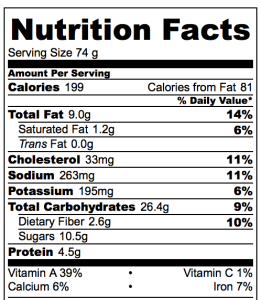

Pumpkins are low in calories but rich in essential vitamins and minerals, including:
– Vitamin A: Pumpkins are an excellent source of beta-carotene, which the body converts into vitamin A. This nutrient supports vision, immune function, and skin health.
– Vitamin C:
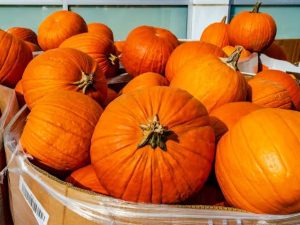

Helps boost the immune system, aids in collagen production, and acts as a powerful antioxidant.
– Fiber: High in dietary fiber, which supports digestive health and can aid in weight management by promoting feelings of fullness.
– Potassium: Contributes to heart health by helping regulate blood pressure and balance fluids in the body.
Health Benefits;
1. Vision Health:


Nutritional Facts of Pumpkin
The high vitamin A content in pumpkin supports healthy vision and may help prevent age-related macular degeneration.
2. Immune Support: Vitamin C boosts the immune system, helping to fend off illnesses and infections.
3. Digestive Health:


Nutritional Facts of Pumpkin
The fiber in pumpkin aids in digestion, helps maintain bowel regularity, and can contribute to a healthy digestive tract.
4. Heart Health: Potassium helps regulate blood pressure, reducing the risk of cardiovascular issues.
Culinary Uses;
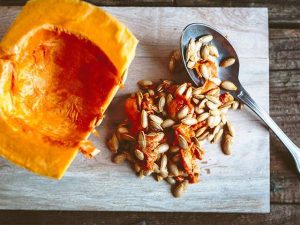

Pumpkin is incredibly versatile in the kitchen. It can be enjoyed in a variety of forms, including roasted, pureed, or in soups and stews. Pumpkin is also a popular ingredient in baked goods such as pies, muffins, and bread. Its natural sweetness and rich texture make it a perfect addition to both savory and sweet dishes.
Summary
A pumpkin has a thick, ribbed orange rind and is a big, round winter squash. It is highly valued as a nutritious culinary element and for cultural events, particularly as carved jack-o’-lanterns for Halloween. It is a member of the gourd family (Cucurbitaceae).