seeds
Nutritional Impacts of Sunflower Seeds

Nutritional Impacts of Sunflower Seeds. The bright yellow sunflower (Helianthus annuus) yields sunflower seeds, which are more than simply a delicious snack. These small seeds have several health advantages and a substantial nutritional punch. Including sunflower seeds in your diet can improve your general health and well-being. They provide flavor and functionality in a variety of culinary applications, and their rich nutritional profile makes them a great supplement to a balanced diet.
NUTRITIONAL IMPACTS OF SUNFLOWER SEEDS
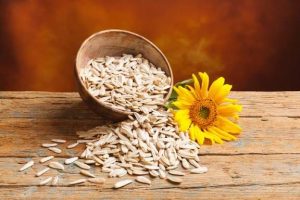
The nutrient-rich fruits of the sunflower plant (Helianthus annuus) are sunflower seeds, which have a firm texture and a mild, nutty flavor. They are frequently used as a baking component, pressed to obtain nutritious cooking oils, and eaten as a snack (raw or roasted).
Nutritional Value;
Sunflower seed is rich in essential nutrients, including healthy fats, protein, vitamins, and minerals. They are particularly high in vitamin E, an antioxidant that helps protect cells from damage. Additionally, sunflower seeds contain significant amounts of magnesium, selenium, and zinc, which are vital for various bodily functions.
Health Benefits;
1. Heart Health:


The monounsaturated and polyunsaturated fats in sunflower seeds can help reduce cholesterol levels, promoting cardiovascular health. Their high vitamin E content also supports heart health by preventing oxidative stress.
2. Bone Health: The magnesium and phosphorus in sunflower seed contribute to strong bones and may help prevent osteoporosis.
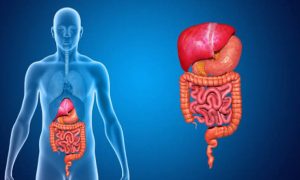
3. Digestive Health:

Nutritional Impacts of Sunflower Seeds
Sunflower seed is a good source of dietary fiber, which supports healthy digestion and can aid in preventing constipation.
4. Anti-Inflammatory Properties: The antioxidants in sunflower seed, including vitamin E and selenium, have anti-inflammatory effects that can help reduce the risk of chronic diseases.
Culinary Uses;

Nutritional Impacts of Sunflower Seeds
Sunflower seeds are versatile and can be enjoyed in various forms. They can be eaten raw or roasted, added to salads, blended into smoothies, or used as a topping for yogurt and oatmeal. They are also ground into sunflower seed butter as an alternative to peanut butter.
Summary
Because sunflower seeds have vitamin E, magnesium, protein, linoleic fatty acids, and many plant components, they may help decrease blood pressure, cholesterol, and blood sugar. Additionally, research connects sunflower seeds to several other health advantages.