oil
Nutritional Value of Argan Oil


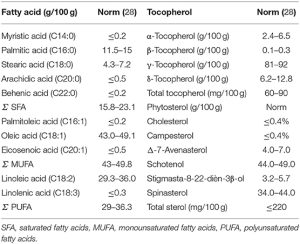
Nutritional value of argan oil. The environment and local populations in Morocco benefit from the production of argan oil in addition to its users. The Argan tree woods provide biodiversity and aid in the prevention of desertification. Women’s cooperatives that produce argan oil are vital to the local economy because they offer chances for empowerment, education, and decent wages.
NUTRITIONAL VALUE OF ARGAN OIL
The environment and local populations in Morocco benefit from the production of argan oil in addition to its users. The Argan tree woods provide biodiversity and aid in the prevention of desertification. Women’s cooperatives that produce argan oil are vital to the local economy because they offer chances for empowerment, education, and decent wages.
1. Harvesting:
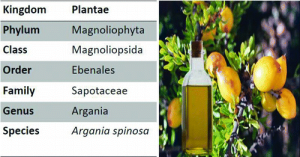

The fruit is harvested and dried in the open air.
2. Kernal Extraction:
The outer flesh of the fruit is removed, and the hard nut is cracked open to extract the oil-rich kernels.
3. Cold Pressing:
The kernels are cold-pressed to produce pure argan oil, ensuring that the oil retains its nutritional and cosmetic properties.
The traditional methods of extraction, often performed by women’s cooperatives in Morocco, ensure high-quality oil while supporting the local economy and providing social benefits to the communities involved.
Nutritional Profile;
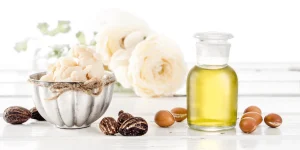

Argan oil is loaded with beneficial compounds, including:
– Vitamin E: A powerful antioxidant that protects the skin and hair from damage.
– Essential Fatty Acids: Primarily oleic and linoleic acids, crucial for maintaining healthy skin and hair.
– Polyphenols: Compounds that have anti-inflammatory and antioxidant properties.
– Sterols: Compounds that can help reduce inflammation and improve skin barrier function.
Health and Beauty Benefits;


NUTRITIONAL VALUE OF ARGAN OIL
1. Skin Care:
Argan oil is a superior natural moisturizer that is suitable for all skin types. Its high content of vitamin E and essential fatty acids makes it effective in hydrating and softening the skin. The oil helps to improve skin elasticity, reduce the appearance of fine lines and wrinkles, and enhance overall skin tone. Its anti-inflammatory properties can soothe conditions such as eczema, psoriasis, and acne.
2. Hair Care:
Argan oil is widely used in hair care products for its conditioning and strengthening properties. It helps to repair damaged hair, reduce frizz, and add shine. Regular use can prevent split ends and promote healthier, faster hair growth. A few drops massaged into the scalp can also alleviate dandruff and dryness.

NUTRITIONAL VALUE OF ARGAN OIL
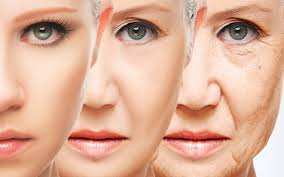
The antioxidants in argan oil help combat the signs of aging by neutralizing free radicals that can damage skin cells. Regular use of argan oil can lead to a more youthful, radiant complexion, reducing the appearance of wrinkles and age spots.
Argan oil can strengthen nails and moisturize cuticles, preventing them from becoming dry and brittle. Regular application can lead to healthier, stronger nails and smoother cuticles.
Culinary Uses;

NUTRITIONAL VALUE OF ARGAN OIL
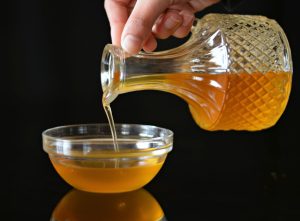
In addition to its beauty benefits, argan’s oil is also used in cooking, particularly in Moroccan cuisine. It has a mild, nutty flavor that makes it a delightful addition to salads, dips, and even as a drizzle over grilled vegetables or fish. Culinary-grade argan oil is packed with antioxidants and essential fatty acids that contribute to heart health and overall wellness.
Summary
Often referred to as “liquid gold,” argan oil is a valuable and adaptable oil made from the kernels of the Moroccan Argan tree (Argania spinosa). For generations, this oil has been utilized in medicine, cosmetics, and cooking. Rich in vital nutrients, vitamins, and antioxidants, argan’s oil is well known for its numerous health and cosmetic advantages.