Grain
Nutritional Value of Buckwheat

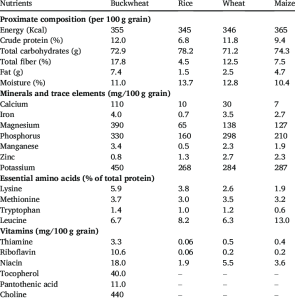

Nutritional value of buckwheat. In addition to being gluten-free and containing antioxidant flavonoids like rutin, buckwheat is a very nutritious grain that is high in protein, fiber, complex carbs, and minerals like magnesium, manganese, phosphorus, and zinc. Because it contains less fat and provides high-quality protein, it is healthy for blood sugar regulation and heart health.
NUTRITIONAL VALUE OF BUCKWHEAT
Despite its deceptive name, buckwheat is a gluten-free, nutrient-dense seed with many culinary uses. It is a great complement to any diet due to its rich nutritional profile and environmental advantages. Buckwheats provide a tasty and nutritious substitute for traditional grains in both traditional and contemporary cuisines.
Nutritional Benefits;
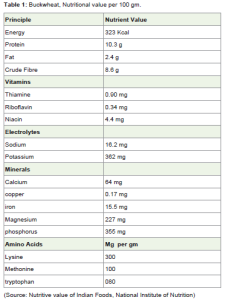

Buckwheats, true grain. are celebrated for its impressive nutritional profile. It is naturally gluten-free, making it an excellent option for those with celiac disease or gluten sensitivity. Buckwheat is a complete protein, containing all nine essential amino acids, which are vital for muscle repair and overall health. Additionally, it is high in fiber, promoting digestive health and helping regulate blood sugar levels. Buckwheat is also rich in antioxidants, such as rutin and quercetin, which have anti-inflammatory and heart-protective properties. It provides essential vitamins and minerals, including magnesium, manganese, and B vitamins.
Culinary Uses;

Nutritional value of buckwheat
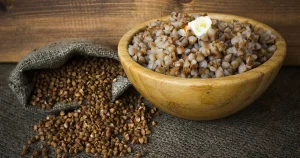
In the kitchen, buckwheats are incredibly versatile. Its robust, nutty flavor and slightly chewy texture make it a favorite ingredient in various dishes. Buckwheat flour is widely used in gluten-free baking, perfect for making pancakes, crepes, and noodles like Japanese soba. Whole buckwheat groats can be cooked and used as a base for salads, porridge, or side dishes, much like rice or quinoa. Roasted buckwheat groats, known as kasha, are popular in Eastern European cuisine and are often served with vegetables or meat.
Cooking with Buckwheat;


Nutritional value of buckwheat
Cooking buckwheats groats is simple. They require rinsing and boiling in water or broth, typically in a ratio of one part buckwheat to two parts liquid. They can be cooked to a soft consistency for porridge or left slightly firm for salads and side dishes. Buckwheat flour, due to its lack of gluten, is best used in combination with other flours in baking to achieve the desired texture.
Environmental Benefits;


Buckwheat is not only beneficial for human health but also for the environment. It is a hardy crop that can grow in poor soil conditions and requires minimal use of pesticides and fertilizers. Its rapid growth helps suppress weeds, reducing the need for herbicides. Buckwheats also attracts pollinators, such as bees, contributing to biodiversity and healthy ecosystems.
Summary
buckwheat is unrelated to wheat. It is actually a seed from the pseudocereal plant Fagopyrum esculentum. Buckwheat has been a staple in many civilizations around the world for more than 8,000 years. It is valued for its culinary diversity and nutritional advantages.