Uncategorized
Nutritional Value of Naval Beans

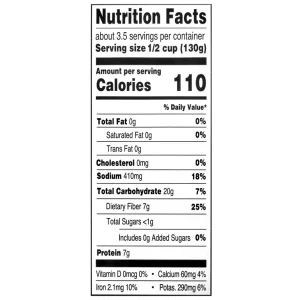

Nutritional value of naval beans. Packed with fiber, plant-based protein, complex carbohydrates, B vitamins (particularly Folate/B9 & Thiamine/B1), and minerals like iron, magnesium, potassium, zinc, copper, and manganese, navy beans are nutrient-dense powerhouses that support gut health, digestion, heart health, and blood sugar regulation with little fat. They are great for satiety and general health because a single cup offers substantial daily value for fiber (around 68% DV), folate (over 60% DV), and manganese.
NUTRITIONAL VALUE OF NAVAL BEANS
A healthy and adaptable legume, navy beans improve many different recipes. They continue to be a favorite in kitchens all around the world because of their subtle flavor, substantial health advantages, and beneficial effects on the environment. Navy beans are a monument to the timeless appeal of healthful, plant-based cuisine, whether they are used in a traditional baked bean recipe, a filling soup, or a crisp salad.
Culinary Uses;

NUTRITIONAL VALUE OF NAVAL BEANS
Navy beans, white legumes are a key ingredient in a variety of traditional dishes. In the United States, they are famously used in baked beans, a classic comfort food often cooked with molasses, brown sugar, and bacon. This dish is a staple at barbecues and family gatherings, particularly in the Northeast.
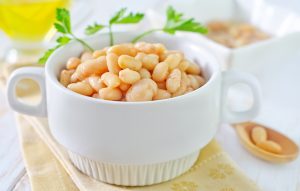
In Southern cuisine, navy beans are a popular component of bean soups and stews, such as Senate bean soup, a hearty dish served in the U.S. Senate dining room for over a century. These beans are also used in casseroles, salads, and as a base for creamy bean dips.

NUTRITIONAL VALUE OF NAVAL BEANS
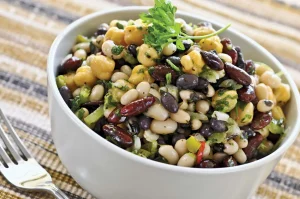
Navy beans’ neutral flavor allows them to absorb the flavors of the ingredients they are cooked with, making them a versatile addition to a wide range of recipes, from Mediterranean bean salads to robust Italian minestrone.
Nutritional Benefits;
Navy beans are a nutritional powerhouse. They are an excellent source of plant-based protein, making them an ideal option for vegetarians and vegans. They are also rich in dietary fiber, which promotes digestive health and helps regulate blood sugar levels. Navy beans provide essential vitamins and minerals, including folate, iron, magnesium, and potassium, which contribute to overall health and well-being.
Health Benefits;

NUTRITIONAL VALUE OF NAVAL BEANS
The high fiber content in beans supports digestive health. Aids in weight management by promoting a feeling of fullness, and helps lower cholesterol levels, reducing the risk of heart disease. Their low glycemic index makes them a suitable choice for individuals managing diabetes. As they help maintain stable blood sugar levels.
Navy beans are also packed with antioxidants, which help reduce inflammation and protect against chronic diseases. Their protein content supports muscle repair and growth, while their iron and folate content are essential for preventing anemia. And supporting fetal development in pregnant women.
Environmental Impact;
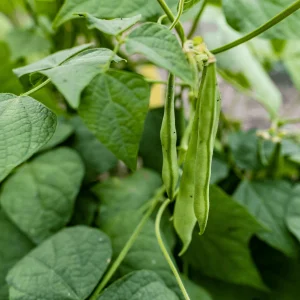

Navy bean are environmentally friendly, requiring less water and fewer resources to grow compared to many animal-based protein sources. As legumes, they improve soil health by fixing nitrogen, reducing the need for synthetic fertilizers and enhancing soil fertility for future crops. This makes them a sustainable choice for both farmers and consumers looking to reduce their environmental footprint.
Summary
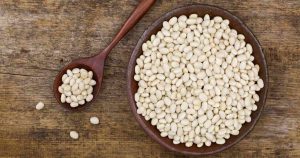
For ages, navy beans—also called haricot beans—have been a mainstay in American and international cuisines. They are tiny, white legumes. These beans are praised for their mild flavor, adaptability, and remarkable nutritional profile. They got their name from their historical use as the U.S. Navy’s main food supply.