Confidence
Positive Thinking and Self Confidence



Positive thinking and self confidence. These are linked: optimism boosts self-belief, while confidence reinforces positive thought patterns. This creates a cycle in which you concentrate on your strengths, set realistic goals, reframe setbacks as opportunities for learning, practice gratitude, use affirmations, and act confidently, all of which contribute to improved wellbeing and goal achievement. In order to develop a strong inner belief in yourself, you must practice attentive self-talk, concentrate on your special strengths, assist others, and adopt constructive habits like exercise and thankfulness.
POSITIVE THINKING AND SELF CONFIDENCE
Positive thinking leads to healthy, aggressive, solution-focused conduct. This entails establishing objectives, resolving issues, communicating assertively with others, taking measured risks to succeed, and leading a balanced lifestyle. Taking constructive action keeps us motivated to achieve the goals we set for ourselves, which has numerous advantages. These include feeling satisfied, developing a greater sense of self-efficacy, or “I can” confidence and control, enhancing interpersonal connections and our health, managing difficulties more adeptly, and learning from mistakes.
What is positive thinking?
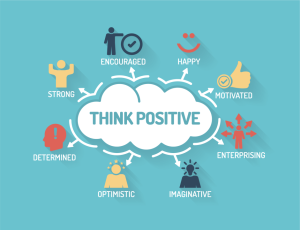

“Positive thinking” is the practice of thinking in a realistic, reasonable, balanced, solution-focused, and constructive way about both the outside world and ourselves.
As a result, thinking positively raises our self-esteem and has been shown to enhance our emotions, well-being, and problem-solving skills.
What is self-confidence?

Positive thinking and self confidence
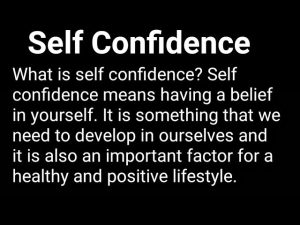
Self-confidence is a mindset on your aptitudes and competencies. It indicates that you feel in charge of your life and that you accept and trust who you are. You have a good self-image and are aware of your strengths and weaknesses. You can take constructive criticism well, speak assertively, and set reasonable expectations and goals.

Positive thinking and self confidence
Conversely, poor self-confidence can cause you to lack confidence in yourself, behave passively or submissively, or find it difficult to put your trust in other people. It’s possible that you feel inadequate, unwanted, or easily offended. Depending on the circumstances, you could not feel. Critical incidents & significant events
Summary
They are closely related. Positive thinking increases confidence by encouraging self-acceptance, lowering self-doubt, and boosting resilience. This leads to better stress management, better mental and physical health (including heart health), stronger relationships, improved problem-solving, and greater success in life by reframing obstacles as opportunities for growth.