seeds
Pumpkin Seeds Nutritional Value

Pumpkin Seeds Nutritional Value. Pepitas, or pumpkin seeds, are extremely nutrient-dense powerhouses. About 160 calories, 8 grams of protein, 14 grams of good fats, and 2 grams of fiber can be found in a 1-ounce (28-gram) portion of roasted, unshelled seeds. Additionally, they are incredibly rich in iron, zinc, magnesium, and healthy antioxidants.
PUMPKIN SEEDS NUTRITIONAL VALUE
In addition to supplying vital minerals and antioxidants, pumpkin seeds are a nutritious and adaptable diet that supports heart and prostate health and improves sleep. Enjoying their benefits is made simple by their easy inclusion into a variety of cuisines. Pumpkin seeds are a tasty method to improve your general health, whether they are consumed as a snack or added to meals.
1. Rich in Nutrients;
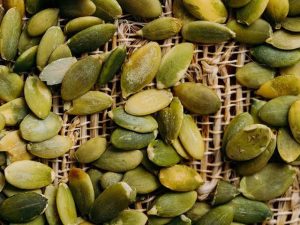

Pumpkin seeds are a powerhouse of essential vitamins and minerals, including magnesium, zinc, iron, and vitamins B2 and K. They also provide a good amount of healthy fats, protein, and fiber. Magnesium is crucial for heart health, muscle function, and bone strength, while zinc supports immune function and wound healing. Iron is vital for oxygen transport in the blood, and vitamins B2 and K play roles in energy metabolism and blood clotting, respectively.
2. High in Antioxidants;
Pumpkin seeds contain antioxidants like vitamin E and carotenoids, which help protect the body from harmful free radicals. These antioxidants reduce inflammation and oxidative stress, lowering the risk of chronic diseases such as heart disease and cancer. The presence of antioxidants also supports skin health and slows down the aging process, so it is beneficial eating pumpkin seeds.
3. Supports Heart Health;
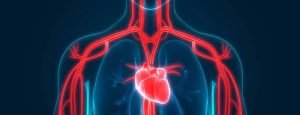

The high magnesium content in pumpkin seeds is beneficial for heart health. Magnesium helps regulate blood pressure and supports a steady heartbeat. Additionally, the healthy fats, particularly omega-3 and omega-6 fatty acids, found in pumpkin seeds can help reduce bad cholesterol levels (LDL) and increase good cholesterol levels (HDL), further supporting cardiovascular health.
4. Promotes Better Sleep;
Pumpkin seeds are a natural source of tryptophan, an amino acid that the body converts into serotonin and then into melatonin, the “sleep hormone.” Consuming pumpkin seeds can help improve sleep quality and promote a restful night’s sleep. Magnesium in pumpkin seeds also contributes to better sleep by regulating neurotransmitters that calm the nervous system.
5. Supports Prostate Health;

Pumpkin Seeds Nutritional Value
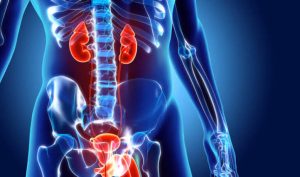
Pumpkin seeds have been traditionally used to support prostate health. The high zinc content is crucial for maintaining healthy testosterone levels and overall prostate function. Some studies suggest that pumpkin seed oil may help alleviate symptoms of benign prostatic hyperplasia (BPH), a condition characterized by an enlarged prostate.
How to Incorporate Pumpkin Seeds into Your Diet;

Pumpkin Seeds Nutritional Value
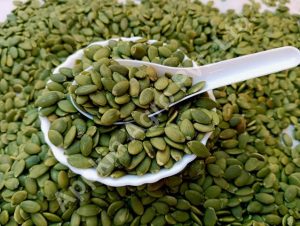
– Snacking: Enjoy raw or roasted pumpkin seeds as a healthy snack. They can be seasoned with your favorite spices for extra flavor.
– Baking: Add pumpkin seeds to bread, muffins, or granola bars for added crunch and nutrition.
– Salads: Sprinkle pumpkin seeds over salads for a nutrient boost and a delightful texture.
– Smoothies: Blend pumpkin seeds into your smoothies for added protein and healthy fats.
– Yogurt and Oatmeal: Top your yogurt or oatmeal with pumpkin seeds for a nutritious and satisfying addition.
Summary
Pepitas, another name for pumpkin seeds, are tiny but powerful in terms of nutrition. In addition to being tasty and adaptable, these seeds are rich in vital nutrients that provide a host of health advantages. Pumpkin seeds are good for your general health for the following main reasons: