relationship
Relationship and Trust

Relationship and trust. The foundation of meaningful partnerships is trust. It develops by honesty, openness, constancy, and vulnerability. A strong basis for long-lasting relationships is created by devoting time and energy to establishing and preserving trust. People find safety, support, and the opportunity to develop and prosper together when relationships thrive in an environment of trust.
RELATIONSHIP AND TRUST
Any long-lasting, healthy relationship is built on trust, which allows for emotional security, vulnerability, and safety. It is developed gradually via dependable, consistent behavior, honest communication, and shared vulnerability, enabling partners to feel safe without worrying about being betrayed. Integrity, dependability, and goodwill are important components.
The Importance of Trust;
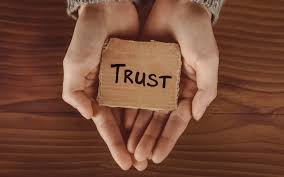

Trust is the cornerstone of any healthy relationship. It serves as the glue that binds individuals together, creating an environment where both parties feel secure, understood, and supported. Without trust, relationships are vulnerable to misunderstandings, conflicts, and ultimately, deterioration.
Communication as a Pillar of Trust;
Effective communication is integral to building trust. Open and honest dialogue establishes transparency, allowing partners to share their thoughts, feelings, and concerns. Active listening is equally important – it demonstrates respect and validates the other person’s perspective, reinforcing the foundation of trust.
Consistency and Reliability;


Consistency in behavior builds trust over time. Reliability and predictability create a sense of stability in a relationship. When individuals can depend on each other, trust flourishes. Follow through on commitments, be dependable, and show that you can be counted on in both small and significant matters.
Vulnerability and Empathy;
Allowing oneself to be vulnerable and displaying empathy are powerful trust-building actions. Sharing fears, dreams, and insecurities fosters a deeper connection, while understanding and validating the emotions of the other person strengthen the bond. Empathy helps partners navigate challenges together, reinforcing their mutual trust.
Honesty and Integrity;


relationship and trust
Honesty is the linchpin of trust. Being truthful, even when it’s difficult, establishes credibility. This includes admitting mistakes, as it demonstrates accountability and a commitment to transparency. Upholding one’s integrity in all aspects of the relationship builds a solid foundation for trust to thrive.
Overcoming Betrayal;
Trust can be fragile, and betrayals can strain relationships. Rebuilding trust requires time, effort, and a genuine commitment to change. Open communication, remorse, and consistent, positive actions are crucial in the healing process. Seeking professional help, such as counseling, can also provide guidance during challenging times.
Cultivating Trust Over Time;


relationship and trust
Building trust in relationship is a continuous process. It requires ongoing effort, patience, and a willingness to invest in the relationship. Celebrate successes, navigate challenges together, and appreciate the journey of growth as individuals and as a couple. Small, consistent gestures of trustworthiness contribute to the overall strength of the relationship. Stay tuned for more updates.
Summary
The foundation of effective and satisfying partnerships is the development of trust. Trust is the foundation of meaningful relationships, whether they are romantic, familial, or friendship-based. In this piece, we will examine the critical role that trust plays in relationships and provide advice on how to develop and preserve this essential element.