Hair
Relevance of ginger hair

Relevance of ginger hair. In addition to its eye-catching beauty, ginger hair is notable for its cultural and historical significance. Whether it is appreciated for its vivid hues, its connections to folklore, or its portrayal in art and culture. Ginger hairs continue to enthrall and motivate us, serving as a reminder of the richness of human DNA and the beauty found in diversity.
RELEVANCE OF GINGER HAIR
Ginger hair has unique colors that range from bright oranges to deep reds. Everything in between is frequently praised for its uncommon and alluring beauty. Ginger hair, often known as red or auburn hair, is distinguished by its warm tones, which can differ from person to person. making each person’s tint genuinely distinct.
Origins and Genetics;
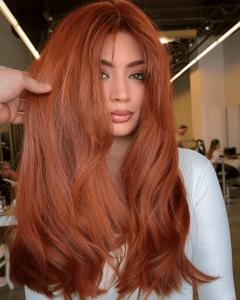

Ginger hair is predominantly found in populations of northern and western European descent. Particularly in countries like Ireland, Scotland, and parts of Scandinavia. It is a result of genetic variations in the melanocortin-1 receptor (MC1R) gene, which affects the production of melanin—the pigment responsible for hair color. Individuals with variations in the MC1R gene typically produce more pheomelanin (red and yellow pigments) and less eumelanin (brown and black pigments), resulting in lighter and reddish hair colors.
Variety and Shades;
Ginger hair encompasses a broad spectrum of shades, from strawberry blondes with hints of golden hues to deep coppery reds reminiscent of autumn leaves. The color intensity can be influenced by factors such as sunlight exposure, age, and overall health. Each shade of ginger hair carries its own charm and can complement various skin tones and eye colors, adding to its allure.
Cultural and Historical Significance;


Relevance of ginger hair
Throughout history and across cultures, ginger hairs has been both revered and mythologized. In ancient Egypt, red hair was associated with the deity Seth, while in ancient Greece, redheads were believed to turn into vampires after death. In modern times, the hair has become an iconic trait associated with figures ranging from fiery heroines in literature to prominent celebrities and cultural icons.
Challenges and Myths;
Despite its beauty, individuals with ginger hairs may face challenges such as increased sensitivity to sunlight. And unique considerations in hair care. There are also enduring myths and stereotypes surrounding redheads. Ranging from assumptions about temperament to supposed rarity. Though ginger hairs occurs in approximately 1-2% of the world’s population.
Celebrating Ginger Hair Today;


Relevance of ginger hair
In contemporary culture, ginger hair continues to be celebrated for its rarity and uniqueness. It has inspired fashion trends, beauty ideals, and even social media movements. Dedicated to appreciating the diversity and beauty of red hair. Many individuals with ginger hair embrace their distinctive color as a symbol of identity and individuality. Contributing to a broader celebration of diversity in hair color and personal style.
Summary
Only 1% to 2% of people worldwide have ginger (red) hair, a rare genetic characteristic brought on by a mutation in the MC1R gene. It has special significance in the fields of biology, medicine, and cultural history.