Health
Review of ALS


REVIEW OF ALS
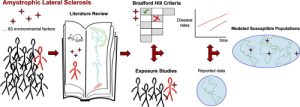
The epidemiology, pathophysiology, clinical presentation, diagnostic methods, and both established and new treatments for amyotrophic lateral sclerosis (ALS) are all covered in detail in this review. The goal is to summarize important discoveries and highlight the complexity of ALS, which is influenced by both environmental and genetic factors. In order to discover possible treatment targets, we examined the literature to explore recent developments in our understanding of molecular pathways such protein misfolding, mitochondrial dysfunction, oxidative stress, and axonal transport abnormalities.
Causes;
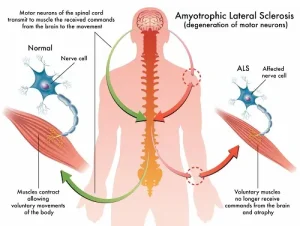

The exact cause of Amyotrophic Lateral Sclerosis (ALS) is not fully understood. However, a small percentage of cases (about 5-10%) are hereditary, caused by mutations in specific genes. The majority of Amyotrophic Lateral Sclerosis (ALS) cases are sporadic, meaning they occur without a known family history. Some risk factors for ALS include age (most people are diagnosed between 40 and 70), gender (men are slightly more likely to develop ALS than women). And possibly environmental factors such as exposure to toxins or severe physical trauma.
Symptoms;

Review of ALS
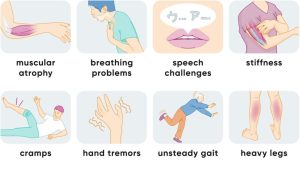
ALS symptoms typically begin subtly and vary greatly from person to person. Early signs can include muscle weakness, twitching (fasciculations), and difficulty speaking or swallowing. As the disease progresses, it can cause significant muscle atrophy. Leading to difficulties in moving, breathing, and speaking. Eventually, the muscles responsible for breathing are affected, often leading to respiratory failure, which is the primary cause of death in ALS patients.
The progression of ALS varies, but the average life expectancy after diagnosis is three to five years. However, some people may live much longer, with a small percentage surviving for a decade or more.
Treatment;


Review of ALS
Diagnosing ALS can be challenging due to the similarity of its symptoms to other neurological disorders. Diagnosis typically involves a combination of clinical examinations, electromyography (EMG), nerve conduction studies, and imaging tests to rule out other conditions.
Currently, there is no cure for ALS. However, treatments are available to manage symptoms and improve quality of life. Medications like riluzole and edaravone can slow disease progression in some individuals. Supportive care, including physical therapy, occupational therapy, speech therapy, and nutritional support, plays a critical role in helping patients maintain independence for as long as possible.
Summary
Lou Gehrig’s disease, or amyotrophic lateral sclerosis (ALS), is a progressive neurological condition that damages brain and spinal cord nerve cells. ALS, named for baseball player Lou Gehrig, who was diagnosed with the illness in 1939, causes the motor neurons that regulate voluntary muscles to gradually deteriorate and die.