Health
Side effects of contraceptives

Side effects of contraceptives. Spotting, nausea, breast tenderness, headaches, and mood swings are frequent side effects of contraceptives, however they vary by kind. The majority of these are minor hormonal changes that get better in two to three months. Copper IUDs and other non-hormonal alternatives avoid these problems, but they may result in cramping or heavier periods.
SIDE EFFCETS OF CONTRACEPTIVES
Numerous factors, like as lifestyle, convenience, health concerns, and personal preference, influence the choice of contraception. To explore the best options and learn about the possible side effects and efficacy of each approach, it is imperative to speak with a healthcare professional.
Contraceptives are methods or devices used to prevent pregnancy. They vary widely in terms of mechanism, effectiveness, and potential side effects. Here are five common types of contraceptives along with their effects:
1. Oral Contraceptives Pills;
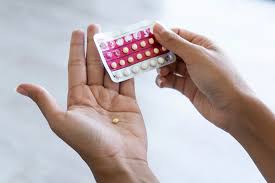

Mechanism: Birth control pills contain synthetic hormones (estrogen and progestin) that prevent ovulation, thicken cervical mucus to block sperm, and thin the uterine lining to prevent implantation.
Effectiveness: When taken correctly, birth control pills are over 99% effective. However, typical use, which includes missing pills, reduces effectiveness to about 91%.
Side Effects:
– Nausea
– Weight gain
– Mood changes
– Breast tenderness
– Increased risk of blood clots, especially in smokers or women over 35
2. Intrauterine Device;
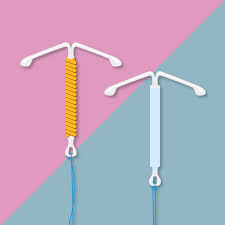

Mechanism: An IUD is a small, T-shaped device inserted into the uterus. There are two types:
– Hormonal IUDs: Release progestin to thicken cervical mucus and thin the uterine lining.
– Copper IUDs: Release copper ions that are toxic to sperm.
Effectiveness: IUDs are over 99% effective.
Side Effects:
– Cramping and spotting after insertion
– Irregular periods (hormonal IUD)
– Heavier periods and increased menstrual cramps (copper IUD)
– Rare risk of uterine perforation or infection
3. Condoms;


Mechanism: Condoms are barrier methods that prevent sperm from entering the uterus. They also provide protection against sexually transmitted infections (STIs).
Effectiveness: When used perfectly, condoms are 98% effective. With typical use, effectiveness drops to about 85%.
Side Effects:
– Latex allergy (alternative materials like polyurethane are available)
– Reduced sensation for some users
– Potential breakage or slippage
4. Contraceptive Implant;


Side effects of contraceptives
Mechanism: The implant is a small rod inserted under the skin of the upper arm. It releases progestin, which prevents ovulation, thickens cervical mucus, and thins the uterine lining.
Effectiveness: Over 99% effective.
Side Effects:
– Irregular bleeding or spotting
– Weight gain
– Mood swings
– Acne
– Pain at the insertion site
5. Contraceptive Injection;


Side effects of contraceptives
Mechanism: This injection contains progestin and is administered every three months. It prevents ovulation, thickens cervical mucus, and thins the uterine lining.
Effectiveness: About 94% effective with typical use.
Side Effects:
– Irregular bleeding
– Weight gain
– Headaches
– Bone density loss with long-term use
– Delayed return to fertility after discontinuation
Summary
Contraceptives are drugs, gadgets, or practices used to avoid getting pregnant. They function by either preventing a fertilized egg from implanting in the uterus, inhibiting ovulation, or preventing sperm from getting to the egg. Your lifestyle, health, and family planning objectives will determine the optimal choice.