Skincare
Signs of Shingles

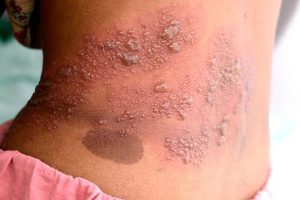

Signs of shingles. A painful rash and nerve damage are the results of the viral infection known as shingles. Herpes zoster is another name for it. The virus responsible for chickenpox also causes shingles. It remains dormant in your body and may later reactivate in your nerves. Therefore, shingles could develop if you have already had chickenpox.
SIGNS OF SHINGLES
The varicella-zoster virus, which also causes chickenpox, is the source of shingles, a rash and nerve discomfort. Shingles can develop if you have already had chickenpox. Early signs include discolouration, tingling, and burning discomfort. Shortly before the rash shows up, you may experience a headache or fever.
Signs


Weeks before the rash appears, some early signs, such as nerve discomfort and discolouration, may manifest. In the days before it, others may arrive. About three to four days after it first occurs, the rash develops into blisters. The blisters dry out and turn into scabs in ten days or so. It can take several weeks for the scabs to fully disappear.
Some patients with shingles do not develop a rash. Even if you don’t have shingles, you should still see a doctor if you experience any of its symptoms.
Causes
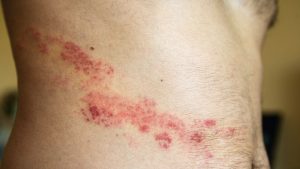

Shingles are caused by the varicella-zoster virus. Once your chickenpox symptoms have subsided, VZV remains in your body. It remains latent (inactive) within your nerve cells. Shingles can occasionally result from the virus reactivating later in life.
The reason behind the virus’s reactivation is not always clear to experts. However, it usually occurs as you age and your immune system begins to deteriorate on its own.
Prevention
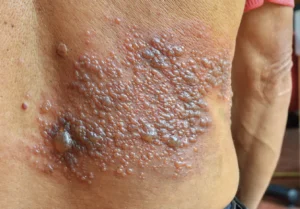

Getting a shingles vaccine can lower your risk of developing shingles if you have had chickenpox. Even if you have previously had Zostavax® or had shingles, it is still advised. To prevent spreading the chickenpox virus, keep the rash covered and stay away from people until it has entirely gone away.
Summary
Most people recover from shingles with no lasting effects. It’s crucial to monitor your symptoms and know when to get emergency medical help, particularly if your immune system is compromised. Consult a doctor as soon as you begin experiencing symptoms. In the interim, they may be able to assist manage your symptoms.