Skin health
Skin Sensitivity



Skin sensitivity. which manifests as symptoms like redness, itching, dryness, burning, or stinging, is an overreaction to external stimuli and is frequently brought on by a compromised skin barrier. Weather variations, scents, specific cosmetic compounds, stress, and specific foods are common causes. Identifying and avoiding triggers and using mild, fragrance-free skincare products to help restore the skin barrier are key components of managing sensitive skin.
SKIN SENSITIVITY
Care for sensitive skin must be thoughtful and knowledgeable. People can improve their lifestyle choices and skincare regimens by being aware of the reasons and signs of sensitivity. The problem can be greatly improved by focusing on protecting, calming, and gentle methods, which will result in healthier, more comfortable skin. Professional advice guarantees the safe and efficient management of sensitive skin in cases of recurrent problems.
Causes of Sensitive Skin;


Sensitive skin can result from a variety of factors, such as irritation, both internal and external. Understanding these causes is crucial for managing the condition and minimizing flare-ups.
Genetic Factors;
Genetics play a significant role in determining skin sensitivity. Individuals with a family history of sensitive skin, eczema, rosacea, or other dermatological conditions are more likely to experience sensitivity.
Environmental Factors;


Skin sensitivity
Environmental aggressors such as pollution, extreme temperatures, and UV radiation can compromise the skin’s barrier function, leading to increased sensitivity. Exposure to harsh weather conditions, such as wind and cold, can also exacerbate symptoms.
Skin Conditions;
Certain dermatological conditions like eczema, rosacea, and contact dermatitis are inherently linked to sensitive skins. These conditions often involve an impaired skin barrier, making the skin more susceptible to irritants and allergens.
Irritants and Allergens;


Skin sensitivity
Exposure to irritants and allergens in skincare products, cosmetics, and household items can trigger reactions in sensitive skin. Common culprits include fragrances, dyes, preservatives, and harsh chemicals like sulfates and alcohols.
Symptoms of Sensitive Skin;
Recognizing the symptoms of sensitive skin is the first step in managing the condition. Common symptoms include:
– Itching and Burning: A sensation of itching, burning, or stinging, particularly after applying certain products.
– Tightness: The skin may feel tight and uncomfortable, especially after cleansing.
– Breakouts: Sensitive skin can be prone to breakouts and rashes, even from minor irritations.
Care Strategies for Sensitive Skin;

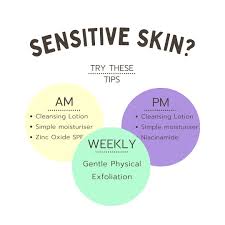
Skin sensitivity
Managing sensitive skin requires a careful and considered approach to skincare. The following strategies can help soothe and protect sensitive skin.
Gentle Cleansing;
Choosing a mild, fragrance-free cleanser is crucial for sensitive skins. Avoid harsh soaps and detergents that can strip the skin of its natural oils, leading to dryness and irritation. Opt for cleansers with soothing ingredients like aloe vera, chamomile, and oatmeal.
Sun Protection;


Skin sensitivity
UV radiation can aggravate sensitive skins, so daily sun protection is vital. Choose a broad-spectrum sunscreen with an SPF of at least 30, formulated for sensitive skin. Physical sunscreens containing zinc oxide or titanium dioxide are often less irritating than chemical sunscreens..
Stress Management;
Incorporating stress-reducing activities into your routine, such as yoga, meditation or regular exercise, can help improve overall skin health. Adequate sleep and a balanced diet rich in antioxidants, vitamins, and minerals also support skin resilience.
Seeking Professional Advice;


Skin sensitivity
If over-the-counter products and self-care strategies do not alleviate symptoms, consulting a dermatologist is recommended. They can provide tailored advice and may prescribe treatments like topical corticosteroids or antihistamines to manage severe reactions.
Summary
Millions of individuals worldwide suffer from sensitive skin. Sensitive skin is characterized by heightened reactivity to different stimuli, which can cause discomfort and make it difficult to maintain skincare routines. In order to assist people better understand and manage sensitive skin, this article examines the causes, symptoms, and practical care techniques.