Soap
Sleep disorder types

Sleep disorder types. Conditions known as sleep disorders impact the quantity, quality, and timing of sleep, which can cause discomfort during the day and hinder day-to-day functioning. Narcolepsy, insomnia, sleep apnea, and restless legs syndrome (RLS) are common forms. They can have a serious negative effect on your bodily and mental well-being if untreated.
SLEEP DISORDER TYPES
The quantity, quality, and timing of sleep are all impacted by sleep disorders, which can cause serious discomfort during the day and health issues. The main categories include narcolepsy, parasomnias, circadian rhythm abnormalities, movement disorders, insomnia, and sleep-disordered breathing (apnea).
1. Lack of sleep;


Those who suffer from insomnia frequently feel sleepy and struggle to fall or remain asleep. Based on the most frequent problems, the American Academy of Sleep Medicine estimates that between 33 and 50 percent of adults experience some kind of insomnia. Stress frequently causes an increase in insomnia, but if symptoms persist for three months or more, they may becoming chronic. The issue can be made worse by bad sleeping habits, changes in the surroundings, drugs, and co-occurring medical disorders like asthma or sleep apnea. For insomnia, cognitive behavioral therapy is the most effective treatment. It involves coaching a patient on their particular sleep barriers and cycles. Additional drugs may also be prescribed by providers.
2. Snoring and apnea;
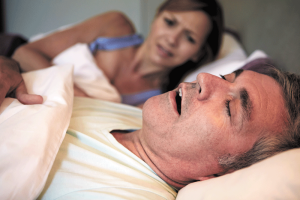

Although annoying, snoring can also be harmful. Sleep apnea affects more than 20 million people in the US. Oxygen levels and sleep quality are impacted by the breathing and choking interruptions that occur frequently—at least five times each hour. It is associated with hypertension, heart disease, and stroke in the absence of treatment. Airflow is facilitated by continuous positive airway pressure therapy, or CPAP, the gold standard of care. In order to prevent airway collapse, alternative methods involve moving the tongue and lower jaw forward using a mandibular advancement device and nerve stimulator. Surgery to remove extra tissue from the throat and nose that obstructs breathing may also be beneficial for patients.
3. Circadian rhythm disorders;

Sleep disorder types
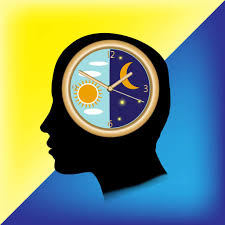
“Lark” and “night owl” tendencies are innate; they result from sleep-wake phase problems that either create an advanced riser (early riser) or a delayed sleeper (late sleeper). Both have internal clocks, or circadian rhythms, that are distinct from the external cycle of day and night.
4. Movement disorders;

Sleep disorder types
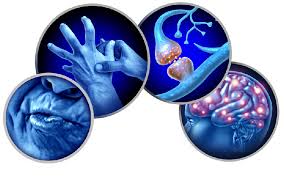
Sitting motionless at night seems nearly impossible for those who suffer from restless leg syndrome in their legs and feet. These unpleasant or painful cravings can be brought on by certain medical conditions and drugs, such as kidney disease, iron deficiency, neuropathy, pregnancy, anxiety, and antidepressants. These cravings affect 7% to 10% of the population.
Summary
A necessary, naturally occurring condition of rest, sleep is marked by altered consciousness, decreased sensory activity, and relaxed muscles. It is a vital biological necessity that reinstates immunological, muscle, and cognitive abilities.