Health
Solutions for elbow tendinitis

Solutions for elbow tendinitis. Repetitive strain and poor technique can lead to elbow tendinitis, a common but treatable ailment. By recognizing the reasons and implementing suitable solutions, individuals can effectively manage pain and promote healing. In order to ensure long-term tendon health and lower the likelihood of recurrence, preventive steps are essential. For individualized treatment and recovery programs, speaking with a healthcare provider is crucial if symptoms continue.
SOLUTIONS FOR ELBOW TENDINITIS
Elbow tendinitis, often known as golfer’s elbow or tennis elbow, is an irritation or inflammation of the elbow tendons. The afflicted arm’s range of motion may be restricted and severe pain may result. For elbow tendinitis to be effectively managed and recovered from, it is essential to comprehend its causes and treatments.
Causes;
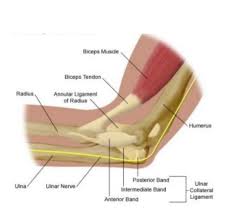

Elbow tendinitis typically arises from repetitive strain or overuse of the forearm muscles and tendons that attach to the elbow joint. The main causes include:
1. Repetitive Motion:
• Activities that involve repetitive wrist and arm movements, such as tennis, golf, painting, typing, or carpentry, can lead to tendinitis. The constant strain on the tendons causes small tears, leading to inflammation.
2. Improper Technique:
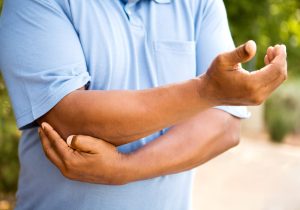
• Using incorrect techniques while playing sports or performing tasks can place undue stress on the elbow tendons. For example, a poor backhand technique in tennis can contribute to tennis elbow.

3. Age:
• Tendons naturally lose elasticity and become more prone to injury as we age. Elbow tendinitis is most common in adults between the ages of 30 and 50.
4. Direct Injury:
• A direct blow to the elbow or sudden heavy lifting can cause acute tendinitis.
5. Poor Conditioning:
• Weak forearm muscles and poor conditioning can increase the risk of tendinitis, as the tendons are more easily strained.
Remedies;


Effective management and treatment of elbow tendinitis involve a combination of self-care, medical treatments, and preventive measures. Here are some recommended remedies:
1. Rest and Activity Modification:
• Resting the affected arm and avoiding activities that exacerbate the pain is crucial. Modify or reduce the activities that led to the condition to allow the tendons to heal.
2. Ice Therapy:
• Applying ice packs to the elbow for 15-20 minutes several times a day can help reduce inflammation and alleviate pain.
3. Compression and Elevation:
• Using an elbow brace or compression bandage can provide support and reduce strain on the tendons. Elevating the arm can also help minimize swelling.
4. Medications:
• Over-the-counter nonsteroidal anti-inflammatory drugs (NSAIDs), such as ibuprofen or aspirin, can help reduce pain and inflammation. In severe cases, a doctor may prescribe stronger medications or corticosteroid injections.


Solutions for elbow tendinitis
• A physical therapist can provide specific exercises to strengthen the forearm muscles, improve flexibility, and promote tendon healing. Stretching and strengthening exercises are critical for recovery and preventing recurrence.
6. Ultrasound and Shockwave Therapy:
• These non-invasive treatments can stimulate blood flow and promote tendon healing. They are often used when traditional treatments do not provide sufficient relief.
7. Ergonomic Adjustments:
• Making ergonomic adjustments in the workplace or during sports can reduce stress on the elbow. For instance, ensuring proper grip size on sports equipment or adjusting computer workstation setup can help.
8. Surgery:
• In rare cases where conservative treatments fail, surgical intervention may be necessary to repair damaged tendons. Surgery is typically considered a last resort.
Preventive Measures;


Solutions for elbow tendinitis
To prevent elbow tendinitis, consider the following preventive measures:
– Proper Technique: Learn and use proper techniques for sports and repetitive tasks to reduce tendon strain.
–
Summary
The main treatments for elbow tendinitis, whether it is golfer’s elbow on the inside or tennis elbow on the outside, include rest, ice therapy, activity adjustment, and focused forearm strengthening. Using c, most patients heal in a few weeks.