
Health
Things to do to prevent cardiac arrest


Things to do to prevent cardiac arrest
Cardiac arrest is a sudden loss of heart function, where the heart stops beating effectively. It can happen due to various reasons, such as a heart attack, an abnormal heart rhythm, or other underlying health conditions. However, there are things you can do to prevent cardiac arrest, One of it is Immediate medical attention, This is crucial to restore the heart’s normal rhythm and function. It’s a serious medical emergency, and prompt intervention, like CPR and using a defibrillator, can greatly increase the chances of survival.
Building the foundation
Establishing heart-healthy habits early is paramount. Emphasizing a diet rich in fiber, fruits, vegetables, and lean proteins, coupled with regular physical activity, sets the foundation for a healthy heart. Stress-free environments and good sleep hygiene in childhood contribute to reducing heart disease risks later in life.
Healthy diet guidelines for young adults
Maintaining a balanced diet in your 20s and 30s involves monitoring saturated and trans fats, choosing healthier fat sources, and being cautious about added sugars. Reading food labels, opting for whole, unprocessed foods, and customizing dietary choices contribute significantly to heart health. Quitting smoking and vaping is a transformative step for heart health. It reduces the risk of heart attacks, normalizes blood pressure and heart rate, improves blood flow, decreases inflammation, and enhances overall cardiovascular function. The benefits extend beyond the individual, protecting loved ones from secondhand smoke.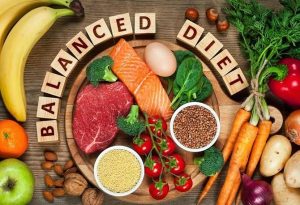
Maintaining vigilance
In your 20s and 30s, when distractions abound, sustaining healthy habits becomes challenging. Reducing screen time, including physical activity, and adopting a heart-friendly diet are crucial. Avoiding smoking and vaping, managing stress, and customizing an exercise plan based on individual preferences and health conditions are vital steps.
Routine check-ups in your 40s and 50s
As your age adds, routine check-ups become imperative. Tests like blood pressure screening, cholesterol profile, blood sugar tests, and EKGs help identify potential risks. Embracing a healthy routine, staying vigilant for symptoms, and seeking prompt medical attention are essential steps in maintaining heart health
Stay tuned for more health updates
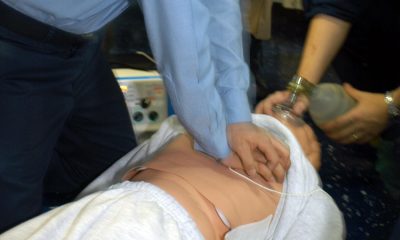







Advantages of bathing cold water. Beyond the initial shock of immersion, cold water baths have many advantages. Cold water baths provide several benefits for both physical and mental health, from increasing immunity and improving alertness to boosting circulation and aiding in recuperation. Embracing the revitalizing power of cold water can be a delightful addition to your health regimen, whether it’s as a morning wake-up call, a post-workout ritual, or a revitalizing skincare routine.
ADVANTAGES OF BATHING COLD WATER
In the pursuit of holistic well-being, exploring alternative wellness practices has become increasingly popular. Among these practices, the simple act of taking cold water baths has garnered attention for its numerous health benefits. While the idea of immersing oneself in cold water may initially seem daunting, the rewards it offers are worth considering. Here are five compelling reasons to embrace the invigorating experience of cold water baths:
Taking cold water baths can offer several benefits Including:
1. Improved circulation:

Cold water can stimulate blood flow, promoting better circulation throughout the body.
2. Enhanced recovery: Cold water bath are often used by athletes to reduce muscle soreness and aid in recovery after intense workouts.
3. Boosted immunity:

ADVANTAGES OF BATHING COLD WATER
Some studies suggest that exposure to cold water may strengthen the immune system by increasing the production of white blood cells.
4. Increased alertness: Cold water can invigorate the body and mind, leading to heightened alertness and mental clarity.
5. Skin and hair health:

ADVANTAGES OF BATHING COLD WATER
Cold water can help tighten pores, reduce inflammation, and improve the overall appearance of skin and hair by sealing cuticles and preventing moisture loss.
Summary
For a refreshing dive into the realm of cold water therapy, think about lowering the temperature the next time you take a shower. Your mind and body will appreciate it. Improved circulation, increased alertness, decreased muscle soreness, and healthier skin and hair are just a few advantages of taking a cold water bath for both physical and mental well-being.
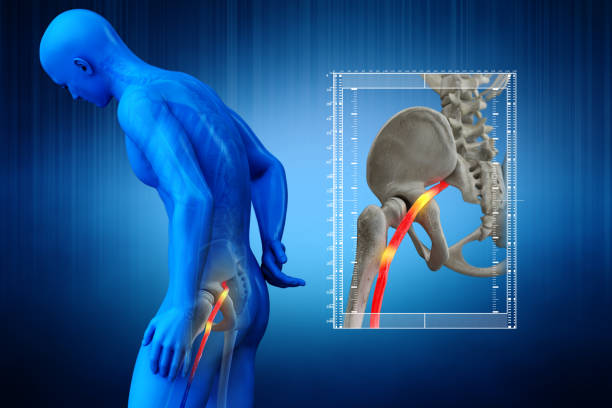
Triggers for arthritis symptoms. It’s important to keep in mind that each person’s experience with particular fruits’ effects on arthritis symptoms is unique. Avoiding some fruits may help some people with arthritis feel better, but it may not have any detrimental impact on others. Speaking with a medical expert or a qualified dietitian can assist determine any possible triggers for arthritic symptoms and offer individualized dietary suggestions catered to each person’s needs. Identifying particular dietary triggers can also be aided by maintaining a food journal and tracking how various foods impact arthritic symptoms.
TRIGGERS FOR ARTHRITIS SYMPTOMS
Flare-ups of arthritis symptoms are frequently brought on by cold, wet weather, variations in barometric pressure, high levels of stress, and exhaustion. Overuse of joints, injuries, and infections are examples of physical triggers; high-sugar, processed meals, and excessive alcohol use are examples of dietary factors that can exacerbate inflammation. Reducing flare-ups requires stress management and maintaining a healthy weight.
Here are six fruits that some people with arthritis may want to limit or avoid:
1. Citrus fruits (e.g., oranges, grapefruits, lemons, limes)
2. Tomatoes
3. Pineapple
4. Berries (e.g., strawberries, raspberries, cranberries)
5. Bananas
6. Grapes
1. Citrus Fruits:

Oranges, grapefruits, lemons, and limes contain high levels of citric acid, which can exacerbate inflammation and joint pain in some individuals.
2. Tomatoes: Although technically a fruit, tomatoes are often grouped with vegetables. They contain solanine, a compound that some people believe may contribute to inflammation and worsen arthritis symptoms.
3. Pineapple:

Triggers for arthritis symptoms
Pineapple contains bromelain, an enzyme that may have anti-inflammatory properties. However, some individuals may experience digestive upset or worsened inflammation from consuming too much pineapple.
4. Berries: While berries are generally considered healthy due to their high antioxidant content, some people with arthritis may find that certain types, such as strawberries, raspberries, and cranberries, exacerbate inflammation.
5. Bananas:

Triggers for arthritis symptoms
Bananas contain high levels of sugar and starch, which can potentially contribute to inflammation and worsen arthritis symptoms in some individuals.
6. Grapes: Grapes contain natural sugars and may be acidic, which could potentially aggravate joint pain and inflammation in some people with arthritis.
Summary
Although there isn’t a clear list of fruits that are terrible for everyone with arthritis, some people may discover that some fruits make their symptoms worse since they may cause inflammation, increase pre-existing joint pain, or initiate arthritis.
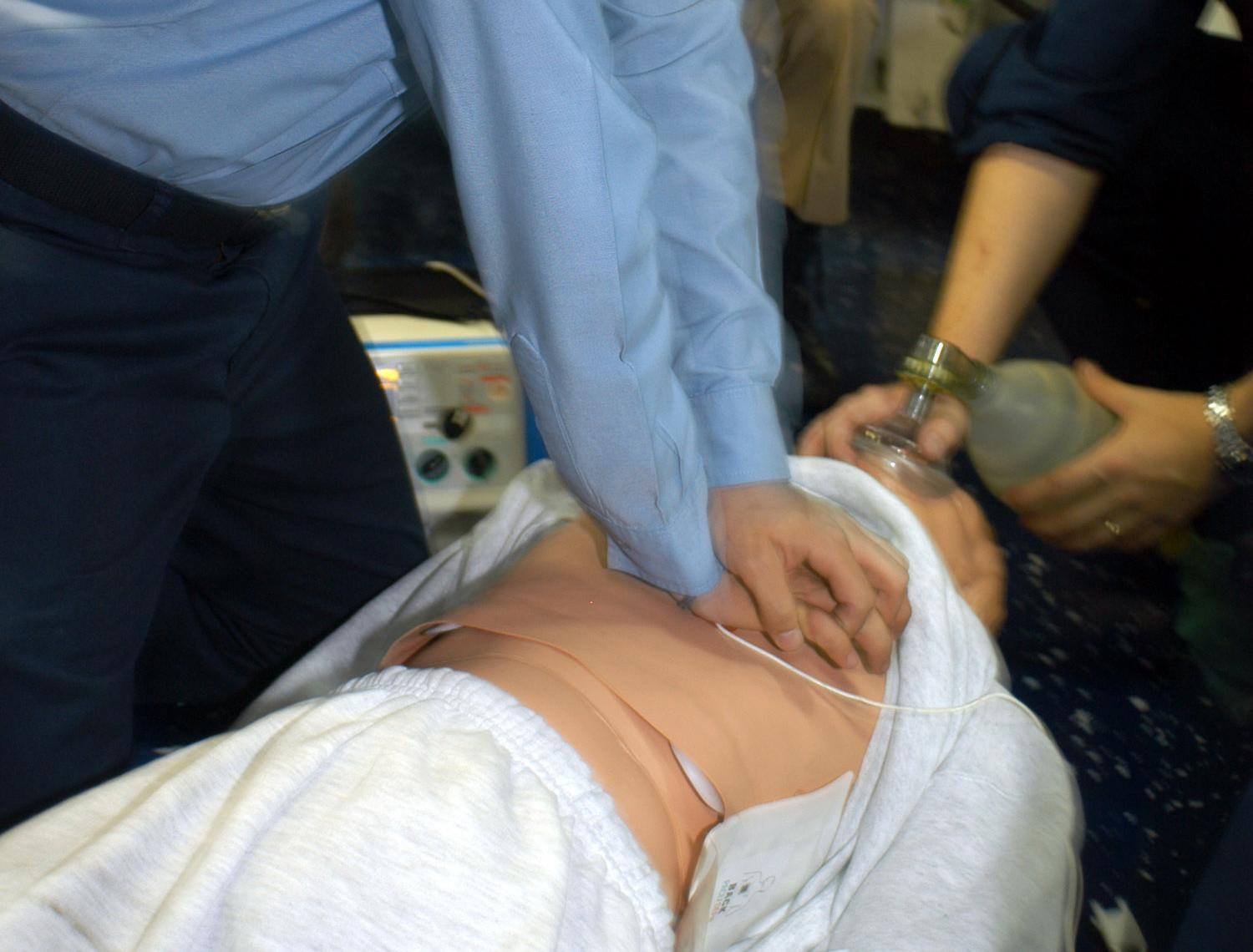
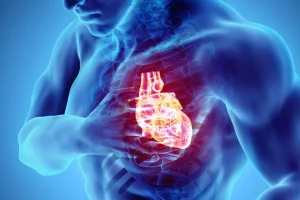
Cardiac arrest prevention. A abrupt loss of heart function, or cardiac arrest, occurs when the heart ceases to beat efficiently. A heart attack, an irregular heartbeat, or other underlying medical issues are some of the possible causes. Nonetheless, there are steps you may take to avoid cardiac arrest. Getting medical help right once is essential to restoring the heart’s regular rhythm and function. It’s a major medical emergency, and survival rates can be significantly increased with early intervention, such as CPR and the use of a defibrillator.
CARDIAC ARREST PREVENTION
The sudden stop of heart activity, typically brought on by an electrical defect, is known as cardiac arrest. It results in instant collapse, loss of consciousness, and the absence of breathing or pulse. It differs from a heart attack in that it is an electrical issue rather than a circulatory one, and in order to prevent potentially deadly brain damage, immediate CPR and defibrillation are necessary.
Building the foundation;
Establishing heart-healthy habits early is paramount. Emphasizing a diet rich in fiber, fruits, vegetables, and lean proteins, coupled with regular physical activity, sets the foundation for a healthy heart. Stress-free environments and good sleep hygiene in childhood contribute to reducing heart disease risks later in life.
Healthy diet guidelines for young adults;

CARDIAC ARREST PREVENTION
Maintaining a balanced diet in your 20s and 30s involves monitoring saturated and trans fats, choosing healthier fat sources, and being cautious about added sugars. Reading food labels, opting for whole, unprocessed foods, and customizing dietary choices contribute significantly to heart health. Quitting smoking and vaping is a transformative step for heart health. It reduces the risk of heart attacks, normalizes blood pressure and heart rate, improves blood flow, decreases inflammation, and enhances overall cardiovascular function. The benefits extend beyond the individual, protecting loved ones from secondhand smoke.
Maintaining vigilance;
In your 20s and 30s, when distractions abound, sustaining healthy habits becomes challenging. Reducing screen time, including physical activity, and adopting a heart-friendly diet are crucial. Avoiding smoking and vaping, managing stress, and customizing an exercise plan based on individual preferences and health conditions are vital steps.
Routine check-ups in your 40s and 50s;

CARDIAC ARREST PREVENTION
As your age adds, routine check-ups become imperative. Tests like blood pressure screening, cholesterol profile, blood sugar tests, and EKGs help identify potential risks. Embracing a healthy routine, staying vigilant for symptoms, and seeking prompt medical attention are essential steps in maintaining heart health. Stay tuned for more health updates
Summary
Managing heart disease risk factors by a healthy lifestyle, such as giving up smoking, keeping a healthy weight, exercising frequently, and following a heart-healthy (such as Mediterranean) diet, can help prevent cardiac arrest. Regular checkups, stress management, and blood pressure/cholesterol control are important measures.

Capable God Lyrics

Glorious God Lyrics

Ancient of Days Lyrics

A Step-by-Step Guide to Deleting Reels on Instagram

How to Create a WhatsApp Group












Pingback: Adrenaline, what is it?