Entertainment
Reasons why Singing is Good

REASONS WHY SINGING IS GOOD

Reasons why singing is good. People enjoy singing. People appear to grasp that lifting their voices in song has a beneficial and healthful effect, regardless of their ability to carry a melody. Singing is very beneficial to your body and mind, as demonstrated by several scientific studies. Singing is frequently discussed for its positive effects on our health, but how much of an impact can it actually have on our us?.
Reasons Why Singing is Good
Some of the health benefits of learning should be experienced if you sing in a group that regularly learns new material. Learning maintains a young and active brain. Learning new music can help elderly adults avoid depression. Making friends is a direct result of being happier and more self-assured! And that leads me to my next point.
1. Singing elevates your mood

A rising body of research suggests that singing releases endorphins, serotonin, and dopamine the “happy” hormones that improve your mood and self-esteem. According to scientists, this is one of the reasons why people say they feel happy and inspired after choir practice and continue to feel that way after that.
2. Singing helps the lungs
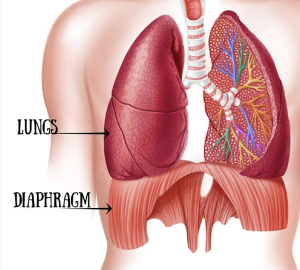
Although we sometimes take our lungs for granted, most of us hardly ever utilize them to their full potential. Both your lung capacity and the muscles surrounding your ribs are increased by the way singing forces you to breathe.
3. You can relax and reduce stress by singing

In addition to being excellent for our lungs, breathing correctly and more mindfully can help us relax and release tension as well as ease the transition to a resting state.
4. Memory enhancement

However, Due of its ability to engage numerous brain regions and require simultaneous focus, singing can enhance mental alertness, memory, and concentration. Additionally, music is being more and more included into dementia care, partly due to its effectiveness in reviving memories that frequently fade long after other communication methods have failed.
5. A sense of community is fostered by singing

Meanwhile, Singing is a great way to get people together. Building relationships and a sense of community can be facilitated by singing with others, whether in person or on screen. The sense of self-other merging we get from matching our voices with others is also a wonderful method to accelerate social connection, according to recent research.
6. Singing allows for self-expression

However, Singing is the ideal approach to release tension and communicate your emotions. With contrasting compositions, the repertoire of From Couch to Chorus is selected to evoke a variety of emotions. It goes without saying that singing in a group adds the enjoyment of seeing others have a good time.
7. It boost the reaction of the immune system
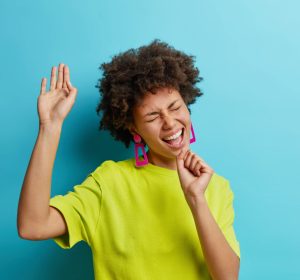
Also, Singing has been shown to strengthen your immune system and aid in the prevention of disease. In one study, the benefits of singing and just listening to music were evaluated. Research participants sang or listened to music during two different sessions. Immunoglobulin A, an antibody your body secretes to help you fight off infections, was shown to be higher in those who sang. Singing along to music did not boost the body’s immune system, but it did lower stress hormones.
Summary
Everyone can sing, and everyone has a voice. It’s a great method to simply give yourself some time. Just shut out the outside world, relish the physical experience of inhaling and using your body to produce a note.
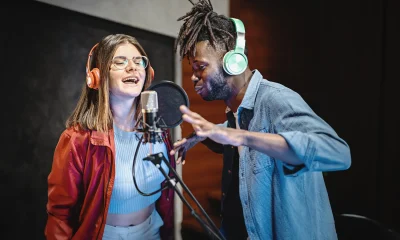


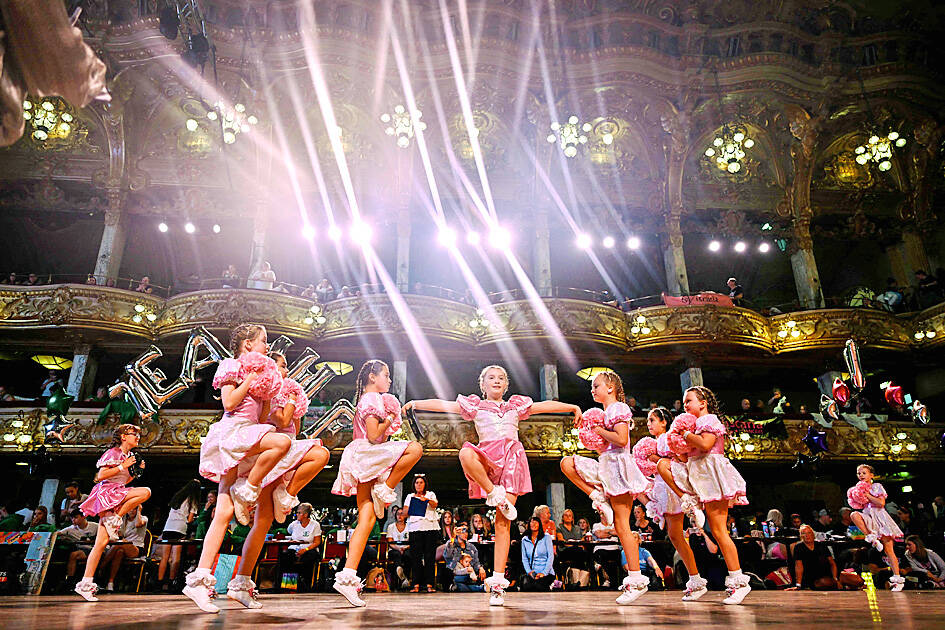
Women and British dance music. According to Grace, social media sites like TikTok have played a significant role in removing obstacles related to dance music, particularly its intricate technology. “It makes me pleased that so many people have messaged me to say they bought a beat pad because of me,” she says. By utilizing reasonably priced equipment, like that seen in Grace’s movies, and a clever web presence, bedroom producers can now establish the groundwork for a career, diminishing the influence of industry gatekeepers.
WOMEN AND BRITISH DANCE MUSIC
As seen on the guardian website Last year, Kenya Grace began documenting her music production on TikTok. Her pairing of pop songwriting with dance instrumentals, performed from her bedroom with a simple mic and Midi-controller setup, soon attracted thousands of followers, and the comment sections were inundated with requests for covers, collaborations and official releases.

But some – generally male – viewers were unconvinced, littering her posts with variously sexist, patronising and mansplaining comments. “I’ve had people ask if someone else made the tracks for me,” she says, sighing. “I’m like: you can seeme doing it.” It’s just one in a collection of microaggressions Grace can recall from her relatively new career, from paternalistic peers in early studio sessions to passive aggressive comments at live shows. “There’s a lot of stigma that women can’t produce.”
But a new vanguard of female producers is beginning to redefine what dance music looks and sounds like.
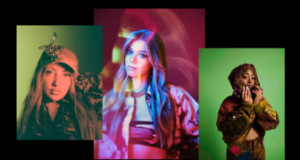
With their snappy, pop-informed takes on drum’n’bass, garage and EDM, Grace, PinkPantheress and Becky Hill are all chart mainstays; Ireland’s Jazzyreached No 3 and spent 31 weeks in the chart with Giving Me, a euphoric but steely house track she co-wrote; Scotland’s Hannah Laingis getting tens of millions of streams for her self-produced, old-school-leaning rave tracks. Pursuing dance music – and crucially, on their own terms – is now a viable career path.
Venbee;
Women and British dance music
“Us girlies are taking over!” says Venbee, who claims to have written a song a day since she was 10 – one of them, Messy in Heaven, became a Top 10 hit last year, prompting collaborations with chart regulars Rudimental and Chase & Status. “Women are putting their foot down,” she says. “They’re able to film themselves and [show] what they can do.”
As representation grows on stage and on the airwaves, Piri is also pushing for more diversity behind the scenes, hiring a crew made up exclusively of women, non-binary and LGBTQ+ people, and urging other artists to do the same. “It’s a boys club. The reason more men get these jobs is because a man has the opportunity to hire people and then will just automatically pick their friends. So we’ve gotta push outwards. You are the artist, you [have] the power to choose who’s on your team – make the most of that.”
Still on that;
Women and British dance music
Aside from visibility, the changing demographics in dance music are down to the wider availability of resources democratising production, from YouTube and TikTok tutorials to cheaper software, and grants such as the PRS Foundation Women Make Music fund. Collectives such as Loud LDN use group chats and events to build support networks for early-career women and gender-nonconforming artists. Among its members are Piri, Venbee and fellow pop-dance rising stars Issey Cross and Charlotte Plank.
Summary
From unrecognized vocalists to formidable DJs and producers, women have changed the DNA of British dance music. Although female creators have historically been marginalized by the business, a new generation is taking control of radio waves, festivals, and charts on their own terms.


Afro music, often referred to as African music, is a broad term that encompasses a rich variety of musical styles and traditions rooted in the African continent. With its deep cultural and historical significance. Afro music has influenced and shaped the global music landscape. Gaining popularity for its distinct rhythms, powerful beats, and infectious energy.
A Fusion of Cultures and Sounds
Africa is home to over 3,000 ethnic groups, each contributing to its musical diversity. Afro music is not just one sound but a fusion of different styles like Afrobeat, Afropop, Highlife, Soukous, and Kwaito. These genres blend African rhythms with Western influences like jazz, funk, and hip-hop, creating a unique sound that appeals to a global audience.
The Rise of Afrobeat
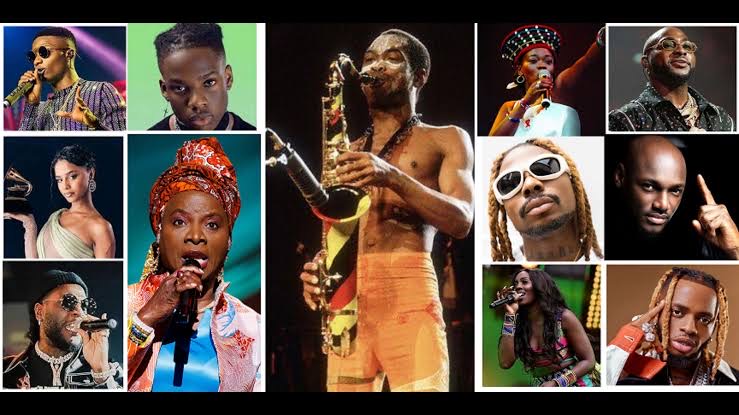
One of the most recognized Afro musics genres is Afrobeat, a style pioneered by Nigerian musician Fela Kuti in the 1970s. Afrobeat combines traditional African instruments and rhythms with jazz, funk, and soul, often delivering politically charged messages. Today, artists like Burna Boy, Wizkid, and Davido continue to push the genre to new heights, fusing it with modern pop and hip-hop elements.
Afropop and Its Global Impact
Afropop is another genre that has taken the world by storm. It’s a more modern take on African music, blending catchy hooks, electronic production, and a danceable rhythm. Artists from Nigeria, Ghana, and South Africa are leading the Afropop wave, breaking into international charts and collaborating with global stars like Drake, Beyoncé, and Ed Sheeran.
A Celebration of Rhythm and Dance
What makes Afro musics so captivating is its rhythm. African music places a strong emphasis on drums and percussive instruments, creating energetic, pulsating beats that compel people to dance. Whether it’s the vibrant beats of the djembe drum or the syncopated rhythms in Afrobeat, the music celebrates life, culture, and community.
Afro Music in the Global Spotlight
The global popularity of Afro music is growing exponentially. Festivals dedicated to African music, like Afro Nation, are now held worldwide, celebrating the continent’s rich musical heritage. As streaming platforms and social media continue to bridge cultural gaps, Afro music is becoming a mainstay in the global music industry.
Conclusion
Afro music is not just a genre but a powerful movement that celebrates African identity, resilience, and creativity. From its traditional roots to its modern-day evolution, Afro music continues to inspire, entertain, and connect people across the world. Whether you’re grooving to Afrobeat, vibing to Afropop, or discovering the rich sounds of traditional African music, you’re tapping into a vibrant musical heritage that transcends borders.
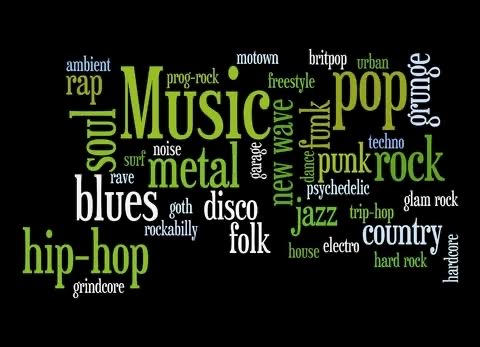
Music genres are categories that define and group music based on shared characteristics such as rhythm, melody, and instrumentation. These genres help listeners and artists identify the style and tone of music.
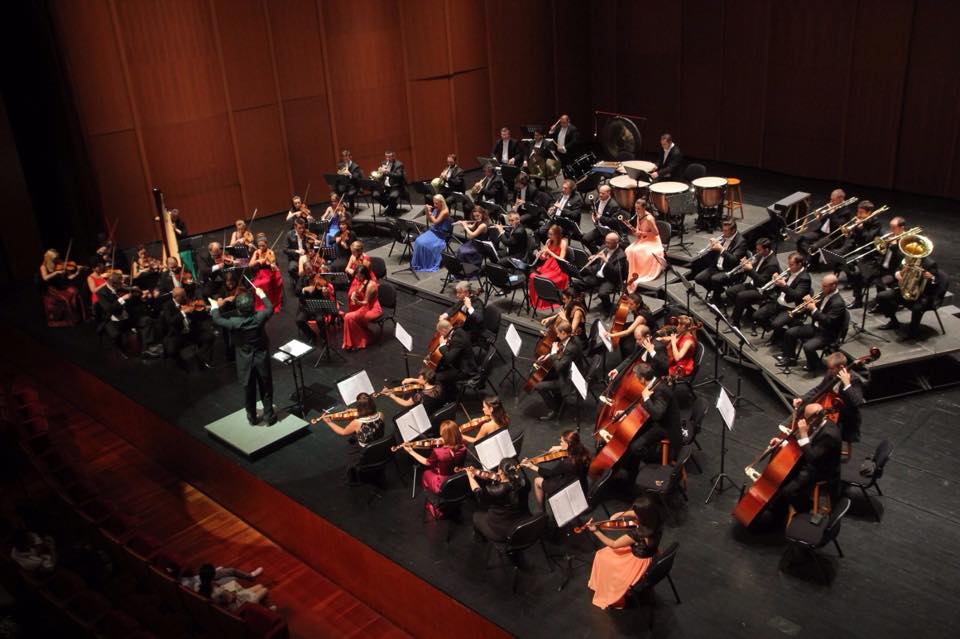
One of the oldest and most influential genres is classical music, known for its complex compositions and orchestral arrangements. It spans several centuries and includes works by composers like Mozart and Beethoven.
Jazz Music
Jazz emerged in the early 20th century, characterized by improvisation and strong rhythms, while blues focuses on expressive guitar playing and emotional lyrics.

Rock Music Genres
Rock evolved from blues in the 1950s, featuring electric guitars and energetic performances. Meanwhile, pop music blends various styles and appeals to a broad audience with catchy melodies and lyrics.

Hip Hop Music genre
Hip-hop, originating in the 1970s, is known for rhythmic beats and spoken-word lyricism, often addressing social issues. Electronic dance music (EDM), on the other hand, uses digital tools to create dynamic beats and is popular in clubs and festivals.

Music genre constantly evolve, blending to form new styles, and remain a central part of human culture, expression, and creativity.

Treatment Tips for Multiple Sclerosis

Treatment Tips for CAD

Epilepsy Management Tips

A Step-by-Step Guide to Deleting Reels on Instagram

A Comprehensive Guide to Setting Up a YouTube Premiere