Time
Time management tips.

Time management tips. Time is the ongoing passage of existence from the past, through the present, and into the future that seems to be unchangeable. As a component quantity of many measurements used to sequence occurrences, compare the length of events (or the intervals between them), and quantify rates of change of quantities in material reality or in the conscious experience, time determines all types of action, age, and causation.
TIME MANAGEMENT TIPS
The process of organizing and regulating time spent on particular tasks in order to boost effectiveness, productivity, and efficiency is known as time management. Setting objectives, prioritizing work, making timetables (time blocking), avoiding distractions, and taking breaks are important tactics to prevent burnout. Stress is decreased and work-life balance is enhanced by effective management.
1) Remind yourself why you want to be more punctual;


When starting your own company, you must ascertain the motivation behind your choices. By doing this, you’ll maintain your motivation and make sure you persevere. This might also assist you in locating possible obstacles and Ways to get around them.
Think about the reasons you wish to quit being late. Once you’ve done this, consider how this will improve your life, and after that, prioritize being on time.
2) Know yourself;
Suppose you are a chronic tardy at work. Is it a result of you not getting up early enough? Do you underestimate how long your commute will take? Do you think you can go around more quickly than you actually do?
3) It’s always better to overestimate;


When it comes to scheduling, estimating is usually a good idea. That’s because unexpected events can happen to anyone, no matter how well-organized they are. This could include getting stuck in traffic due to an accident or unable to enter the zone while at work. Hell, there are instances when we realize that getting ready to leave the house and dress takes longer than we anticipated. I’ve miscalculated the amount of time it takes for my clothes to dry on multiple occasions, which has caused me to leave later than intended.
4) Plan the night before.
Establish a nighttime habit where you prepare for tomorrow tonight, rather than rushing about every morning. Organizing your wardrobe, packing a lunch, keeping track of your wallet and keys and checking your schedule are a few example. Practice your presentation and make sure all of your paperwork and supplies are ready to go.
5) Set your watch later;


Time management tips
This is a simple enough trick to make your brain believe that it is later than it actually is. Simply set your clocks and watches to be five or ten minutes later than the real time. Just make sure they’re all in sync so you wont be confused when the clocks on your phone, computer, and wall differ from your wristwatch.
6) Under-schedule yourself;

Time management tips
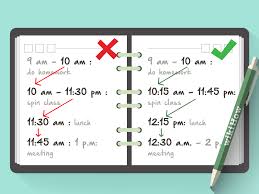
When was the last time you kept a time log? by knowing that information, you can avoid taking on too much. For example, you won’t commit to a last minute conference call or assist an employee with a problem if you know that you have meetings all day and that you need time to travel and prepare between each.
Summary
Using tools like the Eisenhower Matrix (urgent vs. important) to prioritize activities, segmenting huge projects into smaller phases, and employing strategies like Pomodoro (25-minute attention intervals) are all part of effective time management. Setting daily objectives, minimizing multitasking, and learning to say “no” to unimportant commitments are important tactics.