Sleep
Tips for good night sleep

Tips for good night sleep. It is an essential, active process that is required for memory consolidation, brain waste elimination, and physical and mental healing. Adults require seven to nine hours of good sleep per night. Obesity, heart disease, and cognitive decline are all made more likely by inadequate sleep. The secret to better sleep is to create a steady, cold, dark, and quiet environment.
TIPS FOR GOOD NIGHT SLEEP
Consistent sleep hygiene is necessary for a restful night’s sleep, including sticking to a routine (including on weekends), making sure the bedroom is cold, dark, and quiet, and abstaining from devices, coffee, and alcohol before bed. Set a 30- to 60-minute wind-down, work out frequently, and aim for 7-8 hours.
1. Stick to a sleep schedule;
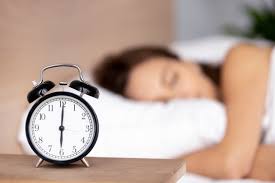

Give yourself a maximum of eight hours to rest. A healthy adult should get at least seven hours of sleep per night. To get a good night’s sleep, most people just need to spend eight hours in bed. Every day, including weekends, set a consistent time to go to bed and wake up. Maintaining consistency helps your body’s circadian rhythm.
After going to bed, if you haven’t fallen asleep after around twenty minutes, get out of your bedroom and do something soothing. Read a book or put on some calming music. When you are exhausted, return to bed. Repeat as necessary, but don’t alter your bedtime or wake-up time.
2. Pay attention to what you eat and drink;


Tips for good night sleep
Avoid going to bed full or hungry. Avoid eating heavy or large meals, in particular, a few hours before going to bed. Unease could keep you awake. Alcohol, caffeine, and nicotine should all be used with caution. Caffeine and nicotine have stimulating effects that take hours to wear off and might disrupt sleep. Furthermore, alcohol might interfere with sleep later in the night, even if it may initially make you feel drowsy.
3. Create a restful environment;


Maintain your room quiet, dark, and cold It could be harder to fall asleep in the evenings if you are exposed to light. Avoid using light-emitting screens for extended periods of time right before bed. To make your environment comfortable, try utilizing a fan, earplugs, room-darkening curtains, or other gadgets. Better sleep may be facilitated by engaging in relaxing activities before bed, such as taking a bath or practicing relaxation techniques.
4. Limit daytime naps;


Tips for good night sleep
Prolonged naps during the day can disrupt your sleep at night. Avoid taking naps in the late hours of the day and limit naps to no more than an hour. To help make up for lost sleep, you might need to take a nap early in the morning before work if you work evenings
5. Include physical activity in your daily routine;
Frequent exercise can help you sleep better. But try not to exercise too soon before going to bed. Daily outside time could also be beneficial
6. Manage worries;


Tips for good night sleep
Before going to bed, try to find a solution to your troubles or issues. Write down your thoughts and puting them away for tomorrow. Managing stress could be beneficial. Begin with the fundamentals, including organizing yourself, establishing priorities and assigning duties to others. Anxiety can also be reduced by meditation.
Summary
For adults, getting seven to nine hours of regular, high-quality, undisturbed sleep is necessary to improve immunity, heart health, and cognitive function. Before going to bed, establish a regimen that involves keeping your bedroom cool, dark, and quiet and avoiding screens, alcohol, and caffeine.