Speech
Tips for Making Speeches



Tips for making speeches. Writing a speech involves preparing a message to deliver orally to an audience. Speeches can be delivered to commemorate a special event, such as a wedding, to inform the audience on a topic, or to persuade them to do a certain action, such as donating to a worthy cause. Put another way, you may have to deliver a speech to your friends and family in your personal life or to your coworkers at work.
TIPS FOR MAKING SPEECHES
Understanding your audience, establishing a clear goal, and rationally organizing the content with a compelling hook and, when feasible, storytelling are all essential components of effective speeches. Important advice is to practice a lot, use conversational language, maintain natural body language, and keep the presentation brief. Building trust involves making eye contact with the audience and relying less on notes.
1. Choose an important topic;
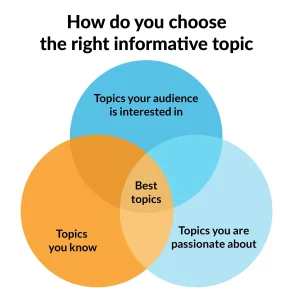

Selecting a speech topic is the first stage in creating one. Even though you may already have a general idea or topic in mind, it might be helpful to focus your speech on a few key points, distinct objective to keep the audience interested.
2. Consider your audience;


When choosing how to approach a topic, the audience is the most important consideration. take a moment to think about the following: • What prior knowledge does the audience have on the topic? • What information might they need to know about the topic?
3. Prepare a structure;

Tips for making speeches
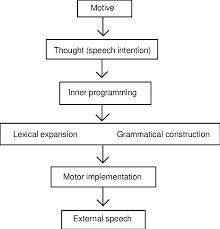
Organizing your thoughts into a coherent framework is a crucial component of crafting a successful speech. Make a list of the logical steps you plan to take to cover each point.
4. Begin with a strong point;


Also, It is normally best to use the initial few minutes of a speaker to get the attention of the audience. Write a single line that sums up the main point or goal of your speech and uses it to start your presentation.
5. Use concrete details and visual aids;


Tips for making speeches
To bolster your arguments, include specific examples. You can captivate your audience and effectively communicate the truth of your objective by using succinct anecdotes, compelling examples. To better bolster your communication, think about utilizing visual aids. 14 Strategies for Developing Your Oratory Skills
Summary
Speeches are official or informal spoken statements intended to educate, convince, amuse, or commemorate important events. They are an essential communication tool for influencing the feelings, ideas, or behavior of an audience. Informational, persuasive, amusing, demonstrative, and speeches for special occasions are important categories.