Grains
Types of whole grains

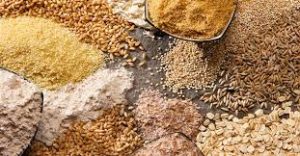
Types of whole grains. With their many health advantages and ability to bring diversity to your meals, whole grains are a vital component of a balanced diet. You may boost your digestion, heart health, general well-being, and long-lasting energy by include these seven whole grains in your diet. For a more balanced and healthful lifestyle, make whole grains a regular part of your diet.
TYPES OF WHOLE GRAINS
Whole grains are a fundamental part of a balanced diet, offering a wealth of nutrients, including fiber, vitamins, and minerals. They help in maintaining energy levels, supporting digestion, and reducing the risk of chronic diseases.
1. Quinoa;
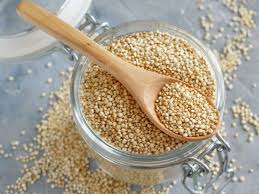

Quinoa is a versatile and protein-rich grain that is often referred to as a “superfood.” It is one of the few plant-based foods that provide all nine essential amino acids, making it a complete protein. Quinoa is also rich in fiber, magnesium, iron, and antioxidants. It can be used in salads, soups, and as a substitute for rice.
2. Brown Ric;
Brown rice is a whole grain that retains its nutrient-rich bran and germ layers, unlike white rice. It is high in fiber, magnesium, and selenium. Brown rice supports heart health, aids in digestion, and helps in maintaining a healthy weight. It can be used in a variety of dishes, including stir-fries, pilafs, and casseroles.
3. Oats;
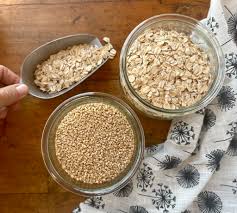

Oat is popular whole grain known for their high content of beta-glucan, a soluble fiber that helps lower cholesterol levels and improve heart health. Oats are also rich in vitamins, minerals, and antioxidants. They are commonly consumed as oatmeal, added to smoothies, or used in baking.
4. Barley;
Barley is a nutrient-dense grain that is high in fiber, particularly beta-glucan, which can help regulate blood sugar levels and lower cholesterol. It also contains vitamins B and E, selenium, and magnesium. Barley is excellent in soups, stews, and salads, and can also be used as a base for grain bowls.
5. Farro;
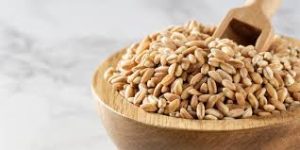

Farro is an ancient grain with a nutty flavor and chewy texture. It is high in fiber, protein, magnesium, and iron. Farro supports digestive health, muscle function, and energy production. It can be used in salads, soups, and as a hearty side dish.
6. Buckwheat;
Despite its name, buckwheat is not related to wheat and is gluten-free. It is rich in fiber, protein, and antioxidants like rutin, which supports cardiovascular health. Buckwheat is also a good source of magnesium and manganese. It can be used to make pancakes, soba noodles, and porridge.
7. Millet;

Types of whole grains
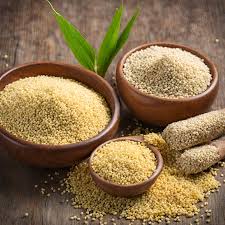
Millet is a small, gluten-free grain that is high in fiber, magnesium, and phosphorus. It supports bone health, reduces the risk of type 2 diabetes, and aids in digestion. Millet can be used in a variety of dishes, including porridge, salads, and as a substitute for rice or couscous.
Incorporating Whole Grains into Your Diet;

Types of whole grains
– Breakfast: Start your day with oatmeal or a quinoa breakfast bowl.
– Lunch: Add cooked farro or barley to your salads for added texture and nutrients.
– Dinner: Use brown rice or millet as a base for stir-fries and grain bowls.
– Baking: Incorporate oats or buckwheat flour into your baking recipes.
– Snacks: Enjoy popcorn, which is a whole grain, as a healthy snack option.
Summary
The bran, germ, and endosperm are the three components of the kernel found in whole grains. Oats, brown rice, quinoa, barley, whole-wheat flour, and popcorn are all excellent examples. Investigating local whole grains gives your diet a lot more variety and nutrients.