Sleep talking
Understanding Somniloquy

Understanding somniloquy. A fascinating feature of human sleep, somniloquy provides a window into the intricacies of the sleeping mind. Understanding the different factors impacting sleep talking helps demystify this widespread yet fascinating phenomena, even though it may confuse people who see it. Our comprehension of the mechanics underlying somniloquy may deepen as science progresses, providing additional insight into the intriguing world of sleep and dreams.
UNDERSTANDING SOMNILOQUY
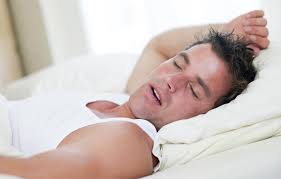
One kind of parasomnia, a group of sleep disorders characterized by aberrant behavior during sleep, is somniloquy. In contrast to other parasomnias like sleepwalking or night terrors, somniloquy entails speaking while you’re asleep. When people talk while they sleep, they may say comprehensible phrases, gibberish, or even have conversations that don’t make sense to an outsider.
Causes and Triggers:
1. Stress and Anxiety:


UNDERSTANDING SOMNILOQUY
• Cause: Emotional stress and anxiety can lead to heightened brain activity during sleep, influencing the likelihood of somniloquy.
• Trigger: Individuals experiencing stress or anxiety may find an increase in sleep talking episodes, as the mind processes these emotions during sleep.
2. Emotional Disturbances:


UNDERSTANDING SOMNILOQUY
• Cause: Various emotional disturbances, such as grief, trauma, or significant life changes, can impact sleep patterns and contribute to sleep talking.
• Trigger: Events causing emotional distress may prompt verbal expression during sleep as the mind processes and reacts to these experiences.
3. Fever:


• Cause: Elevated body temperature, often associated with fever, can affect sleep quality and potentially lead to somniloquy.
• Trigger: During illness, particularly when accompanied by fever, individuals may be more prone to talking in their sleep.
4. Medications:
• Cause: Certain medications, especially those affecting the central nervous system or sleep patterns, can contribute to sleep talking as a side effect.
• Trigger: Changes in medication or dosage may influence sleep behavior, including an increase in verbal expression during sleep.
5. Sleep Deprivation:


UNDERSTANDING SOMNILOQUY
• Cause: Insufficient sleep disrupts normal sleep cycles, increasing the chances of experiencing parasomnias like somniloquy.
• Trigger: Chronic sleep deprivation or irregular sleep patterns can contribute to talking in one’s sleep.
6. Genetic Predisposition:

• Cause: There is evidence suggesting a genetic component to sleep talking, where individuals may inherit a tendency to talk in their sleep.
• Trigger: Family history and genetics can play a role in determining whether an individual is more likely to engage in somniloquy.
Prevalence and Demographics:


Somniloquy is a common phenomenon, with studies suggesting that up to 5% of adults talk in their sleep regularly. It is more prevalent in children, with estimates indicating that nearly 50% of children between 3 and 10 years old experience sleep talking at some point. The frequency of somniloquy tends to decrease with age.
The Science Behind Sleep Talking:
Research suggests that somniloquy occurs during the lighter stages of sleep, particularly during the transition from non-REM (rapid eye movement) to REM sleep. The exact mechanisms triggering verbal expression during sleep remain the subject of ongoing scientific inquiry, but it is believed that the brain’s communication pathways responsible for speech are somehow activated while the rest of the body remains in a state of sleep-induced paralysis.
Is Sleep Talking Harmful?
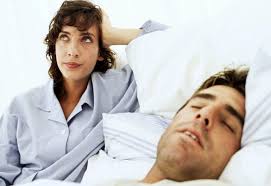

In most cases, sleep talking is harmless and does not require medical intervention. However, if it is accompanied by other sleep disorders or disruptive behaviors, seeking professional advice may be advisable. Understanding the potential emotional or psychological triggers for sleep talking can also contribute to managing the phenomenon effectively. Stay tuned for more updates.
Summary
Talking in one’s sleep, or somniloquy, is an intriguing and frequently misinterpreted phenomenon that happens at different stages of sleep. The reasons, prevalence, and potential insights into the secrets of the sleeping mind of somniloquy are all explored in this fascinating study.