Uncategorized
Upper Lip Infection: Causes, Symptoms, and Treatment

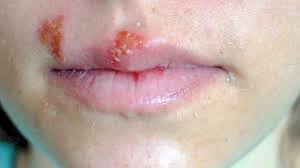
An upper lip infection occurs when harmful microorganisms—like bacteria, viruses, or fungi—invade the skin or tissue of the upper lip. This can lead to swelling, pain, redness, or even pus. Infections may affect the skin surface, hair follicles, or deeper tissue layers.
Common Causes of Upper Lip Infections
1. Bacterial Infections
– Often caused by Staphylococcus aureus or Streptococcus bacteria
– May enter through a cut, pimple, insect bite, or cracked skin
2. Herpes Simplex Virus (Cold Sores)
– Causes painful blisters or sores on or near the lips
– Highly contagious and often reoccurs
3. Folliculitis
•Infection of hair follicles, often from shaving or poor hygiene
•Can appear as red bumps or pimples
4. Fungal Infections
•Less common, but may occur in people with weakened immune systems or poor hygiene
5. Allergic Reactions with Secondary Infection
•Cracked or irritated skin due to allergies or dryness can get infected
Symptoms
– Redness and swelling
– Pain or tenderness
– Pus or fluid-filled bumps
– Warmth around the area
– Itching or burning
– Scabbing or crusting (especially with cold sores)
– Fever (in more serious infections)
Treatment
– Warm compresses to reduce pain and swelling
– Topical antibiotics (like mupirocin) for bacterial infections
– Antiviral creams or oral medication for cold sores (e.g., acyclovir)
– Antifungal creams for fungal causes
– Oral antibiotics for deep or spreading infections
– Avoid picking, squeezing, or shaving the area until it heals
When to See a Doctor

– If the infection worsens or spreads
– When you have a fever or swollen lymph nodes
– If blisters keep coming back (possible herpes virus)
• If pain or swelling becomes severe
Proper hygiene, avoiding skin trauma, and treating minor cuts early can help prevent upper lip infection. Always wash your hands before touching your face, and don’t share personal items like razors or towels.