Music
Uses of Musical Instruments

Uses of musical instruments. Stringed, wind (woodwind and brass), percussion, keyboard, and electronic are the five primary categories of musical instruments, which are equipment designed to produce musical sounds. Violins, flutes, drums, pianos, and guitars are a few examples of instruments that have developed throughout antiquity to become essential parts of human culture. These instruments are employed to produce harmonies, rhythms, and melodies in a variety of musical genres.
USES OF MUSICAL INSTRUMENTS
The main purposes of musical instruments are to compose, record, and play music; they are also tools for social interaction, emotional release, and creative expression. Beyond only improving ability, playing an instrument has several health advantages, such as lowering stress, boosting brain connectivity, improving motor skills, and improving cognitive function.
1. Guitar acoustic;
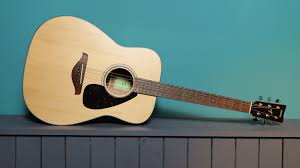

One of the most popular musical instruments in the world is without a doubt the guitar. It is best suited for students who are at least six years old. Since they are simpler to learn than electric guitars, acoustic guitars are perfect for beginners.
2. Piano;
Learning the piano isn’t as easy as learning the guitar or even the ukulele. Aside from taking up a lot of room in your home, a digital piano can be somewhat expensive.
3. Trumpet;
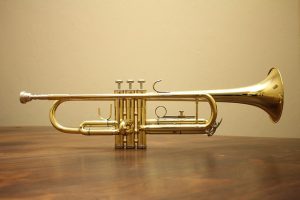

The history of this instrument in the musical world is extensive and noteworthy. As early as 1500 BC, it was already there. The trumpet is a great instrument for creativity if you have the physical stamina and expert instruction on how to manipulate the breath and keys.
4. The Violin;
has been used for about 500 years in the creation and composition of music. Kids six years old and above will love it, and it’s beginner-friendly. There is a wide variety of violin sizes to fit the age and needs of the student.
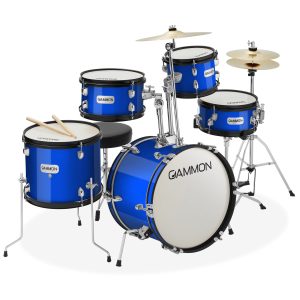
5. Drums;

uses of musical instruments
Playing and learning these instruments is an incredible experience. Drums provide a rhythm-rich sound that all other musical instruments use to set their tempo. novices.
6. Recorder;
Technically speaking, the recorder is among the simplest woodwinds to learn. All you need is a basic fingering chart to learn how to play the recorder yourself. The two most fundamental woodwind skills that this ultraportable device teaches you are breath control and proper finger placement.
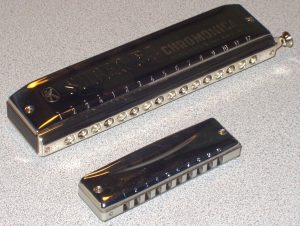
8. Harmonica;

uses of musical instruments
A flexible and beginner-friendly instrument, the harmonica has found use in a variety of musical genres, including rock bands, country, folk, and blues.
Summary
It is satisfying in many ways to become proficient at making beautiful sounds with a musical instrument. Music can improve executive brain function, discipline, and coordination in both adults and children. Additionally, it can support the expression of feelings and creativity as well as the development of healthy coping strategies.