Dance
Women and British Dance Music

Women and British dance music. According to the guardian website, Kenya Grace started using TikTok to record her music output last year. She quickly gained millions of followers by fusing pop lyrics with dance instrumentals, which she performed from her bedroom using a basic microphone and midi controller setup. Requests for covers, collaborations, and official releases flooded the comment sections.
WOMEN AND BRITISH DANCE MUSIC
But some – generally male – viewers were unconvinced, littering her posts with variously sexist, patronising and mansplaining comments. She sighs, “I’ve had people ask if someone else made the tracks for me.” “I’m like: you can seeme doing it.” It’s just one in a collection of microaggressions Grace can recall from her relatively new career, from paternalistic peers in early studio sessions to passive aggressive comments at live shows. “There’s a lot of stigma that women can’t produce.”
Venbee;


“Us girlies are taking over!” says Venbee, who claims to have written a song a day since she was 10 – one of them, Messy in Heaven, became a Top 10 hit last year, prompting collaborations with chart regulars Rudimental and Chase & Status. “Women are putting their foot down,” she says. “They’re able to film themselves and [show] what they can do.”
As representation grows on stage and on the airwaves, Piri is also pushing for more diversity behind the scenes, hiring a crew made up exclusively of women, non-binary and LGBTQ+ people, and urging other artists to do the same. “It’s a boys club. The reason more men get these jobs is because a man has the opportunity to hire people and then will just automatically pick their friends. So we’ve gotta push outwards. You are the artist, you [have] the power to choose who’s on your team – make the most of that.”
Still on that;

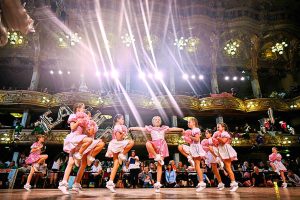
Women and british dance music
Aside from visibility, the changing demographics in dance music are down to the wider availability of resources democratising production, from YouTube and TikTok tutorials to cheaper software, and grants such as the PRS Foundation Women Make Music fund. Collectives such as Loud LDN use group chats and events to build support networks for early-career women and gender-nonconforming artists. Among its members are Piri, Venbee and fellow pop-dance rising stars Issey Cross and Charlotte Plank. “It can be intimidating having to go and ask men for help,” says Piri. “It’s nice to know that you as a community of marginalised people can just figure it out together and accomplish your goals.”
Summary
According to Grace, social media sites like TikTok have played a significant role in removing obstacles related to dance music, particularly its intricate technology. “It makes me pleased that so many people have messaged me to say they bought a beat pad because of me,” she says. By utilizing reasonably priced equipment, like that seen in Grace’s movies, and a clever web presence, bedroom producers can now establish the groundwork for a career, diminishing the influence of industry gatekeepers. Using her own career as an example, she claims that “the music industry has entirely altered.” Many underdogs are emerging as a result of the public “choosing who they prefer” through social media and streaming. It’s such a thrilling moment.