WORKPLACE
Workplace Bias

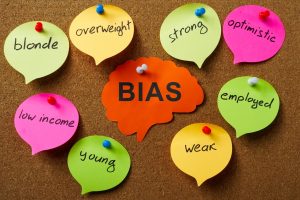

Workplace bias. In addition to having a detrimental effect on individuals through stress, low morale, disengagement, and career stagnation, workplace bias also hurts organizations by decreasing innovation, productivity, and diverse talent, as well as increasing turnover, legal risks, and poor decision-making, which ultimately impedes growth and creates unfair, unequal environments. It costs billions in lost potential and fosters toxic cultures, impacting everything from hiring and promotions to day-to-day interactions.
WORKPLACE BIAS
Meanwhile, the term “workplace bias” describes a tendency or prejudice that adversely affects how people or groups are perceived, assessed, and treated in a professional setting, frequently on the basis of traits like race, gender, age, or appearance. This has serious detrimental effects on workers and the company as a whole and can show up as either conscious (explicit) or unconscious (implicit) bias.
Types of bias;
Although, apart from gender prejudice, there exist several additional forms of implicit bias that have a disproportionate impact on women’s career advancement. These types of bias include:
performance support;


However, when employers, managers, and coworkers provide one gender (usually men) more resources and opportunities than another, it’s known as performance support bias.
performance reviews;
Also, even in cases when the evaluations are solely merit-based, performance review bias happens when supervisors, employers, and coworkers evaluate employees of one gender differently from those of another.
performance rewards;


workplace bias
Meanwhile, when coworkers, supervisors, and employers treat a female employee differently from a male employee, this is known as performance reward bias. Promotions, pay increases, or other merit-based benefits are examples of rewards. However, there are various ways to curb unconscious bias in the workplace. These are indicated below:
Ways to reduce it;
1. Acquire knowledge about unconscious biases. Make sure that every employee in your company understands the existence of prejudices.
2. Determine which prejudices are most likely to have an impact on you.
3. Also, Ascertain the potential impact of prejudices on your organization.
4. Teach staff members to recognize and address bias.
5. However, Update the hiring procedure.


workplace bias
6. Meanwhile, Use statistics to guide your choices.
7. Also, Consider diversity when making employment selections.
8. Motivate group members to discuss their prejudices.


workplace bias
9. Make workers answerable.
10. Establish objectives for inclusion, equity, and diversity.
women are unfairly assigned inferior accounts
Summary
Also, our brains are built to classify things in order to make sense of the complicated world we live in. However, biases can cause us to form preconceived notions about other individuals, which can result in glaring differences across different demographic groups.