
Food
7 Whole Grains to Know

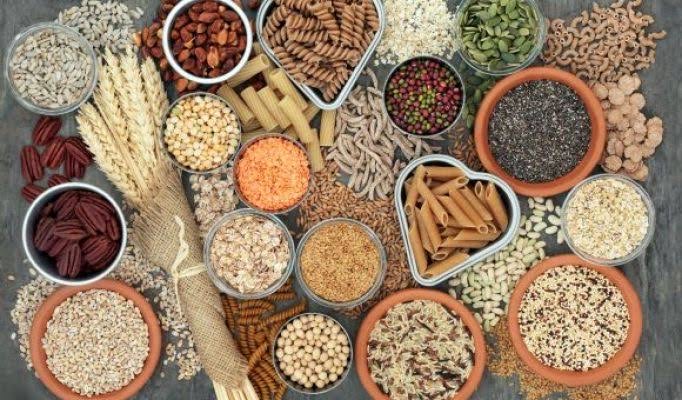
Whole grains are a fundamental part of a balanced diet, offering a wealth of nutrients, including fiber, vitamins, and minerals. They help in maintaining energy levels, supporting digestion, and reducing the risk of chronic diseases.
Here are seven whole grains you should know about and include in your diet:
1. Quinoa
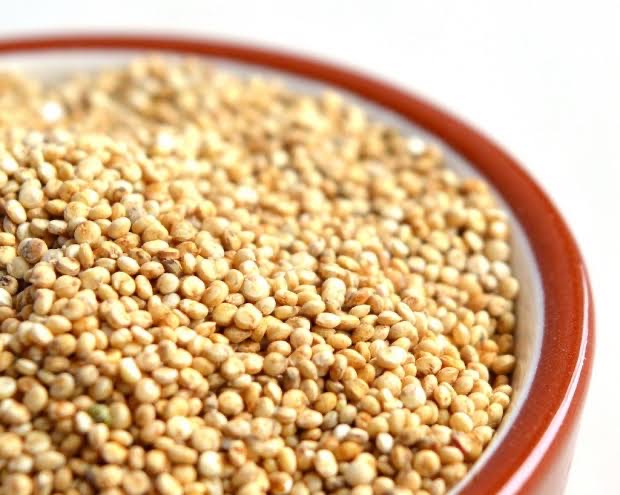
Quinoa is a versatile and protein-rich grain that is often referred to as a “superfood.” It is one of the few plant-based foods that provide all nine essential amino acids, making it a complete protein. Quinoa is also rich in fiber, magnesium, iron, and antioxidants. It can be used in salads, soups, and as a substitute for rice.
2. Brown Rice
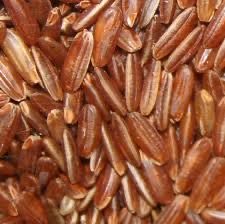
Brown rice is a whole grain that retains its nutrient-rich bran and germ layers, unlike white rice. It is high in fiber, magnesium, and selenium. Brown rice supports heart health, aids in digestion, and helps in maintaining a healthy weight. It can be used in a variety of dishes, including stir-fries, pilafs, and casseroles.
3. Oats
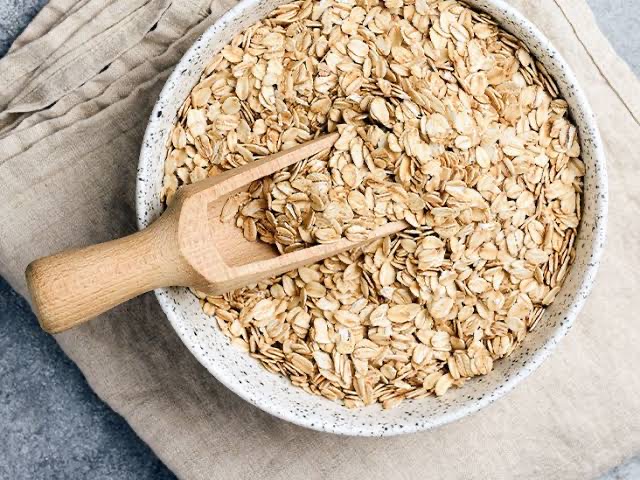
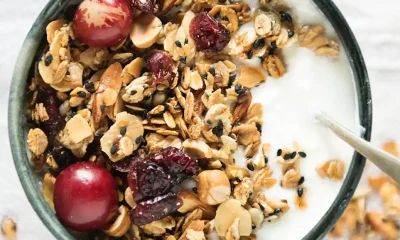
Oat is popular whole grain known for their high content of beta-glucan, a soluble fiber that helps lower cholesterol levels and improve heart health. Oats are also rich in vitamins, minerals, and antioxidants. They are commonly consumed as oatmeal, added to smoothies, or used in baking.
4. Barley
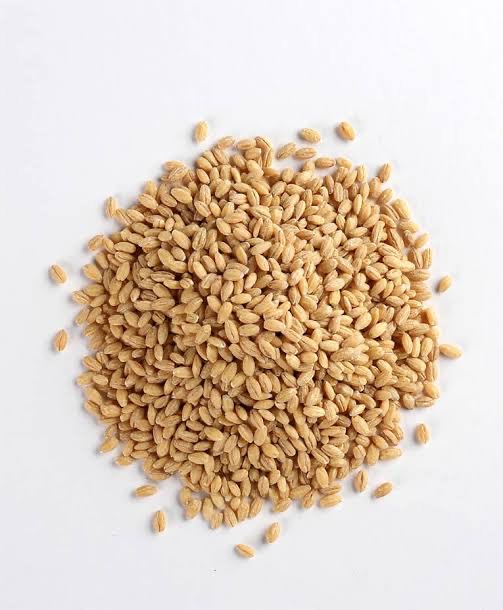
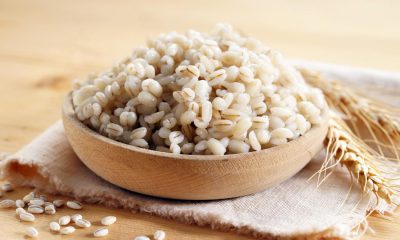
Barley is a nutrient-dense grain that is high in fiber, particularly beta-glucan, which can help regulate blood sugar levels and lower cholesterol. It also contains vitamins B and E, selenium, and magnesium. Barley is excellent in soups, stews, and salads, and can also be used as a base for grain bowls.
5. Farro
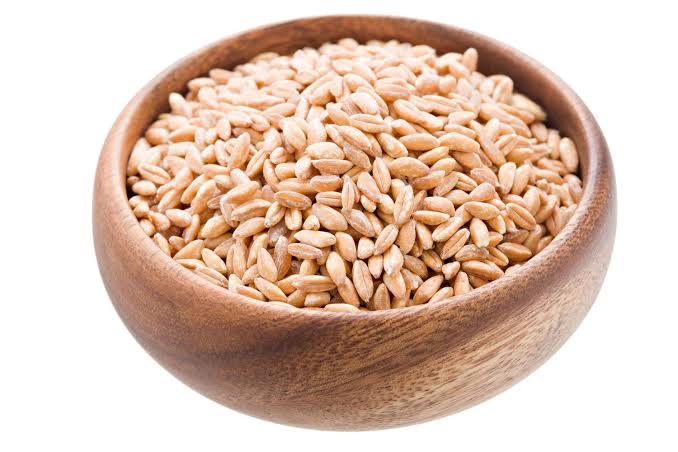
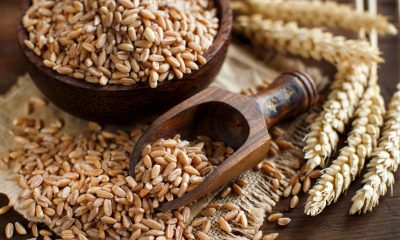
Farro is an ancient grain with a nutty flavor and chewy texture. It is high in fiber, protein, magnesium, and iron. Farro supports digestive health, muscle function, and energy production. It can be used in salads, soups, and as a hearty side dish.
6. Buckwheat
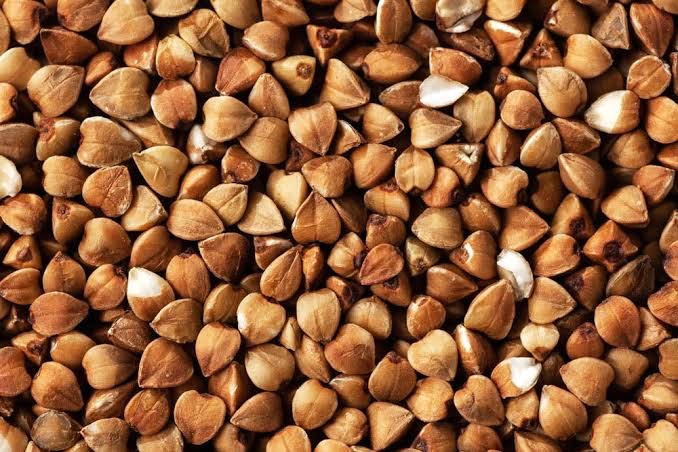
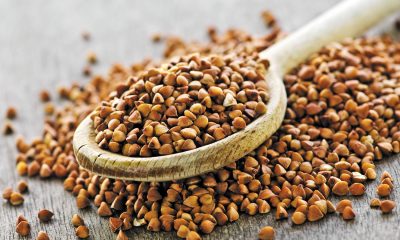
Despite its name, buckwheat is not related to wheat and is gluten-free. It is rich in fiber, protein, and antioxidants like rutin, which supports cardiovascular health. Buckwheat is also a good source of magnesium and manganese. It can be used to make pancakes, soba noodles, and porridge.
7. Millet
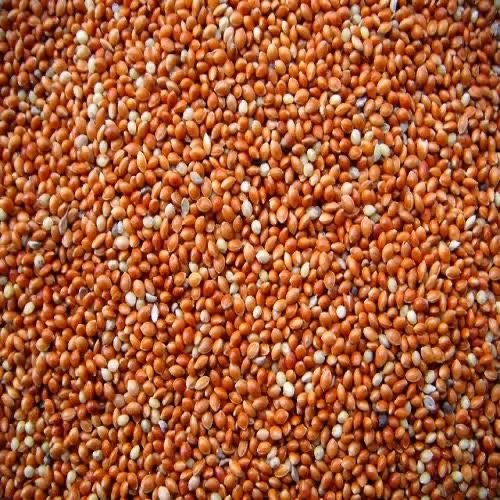
Millet is a small, gluten-free grain that is high in fiber, magnesium, and phosphorus. It supports bone health, reduces the risk of type 2 diabetes, and aids in digestion. Millet can be used in a variety of dishes, including porridge, salads, and as a substitute for rice or couscous.
Incorporating Whole Grains into Your Diet
– Breakfast: Start your day with oatmeal or a quinoa breakfast bowl.
– Lunch: Add cooked farro or barley to your salads for added texture and nutrients.
– Dinner: Use brown rice or millet as a base for stir-fries and grain bowls.
– Baking: Incorporate oats or buckwheat flour into your baking recipes.
– Snacks: Enjoy popcorn, which is a whole grain, as a healthy snack option.
Whole grains are an essential part of a nutritious diet, offering numerous health benefits and adding variety to your meals. Incorporating these seven whole grains into your diet can enhance your overall well-being, support heart health, improve digestion, and provide sustained energy. Make whole grains a staple in your diet for a healthier and more balanced lifestyle.





Health advantages of eating cocoyam. Cocoyam is a versatile, low-GI food for digestive health, weight management, and blood sugar control, and its nutrient-rich leaves are edible. To enjoy its rich fiber, complex carbohydrates for energy, and essential vitamins (C, B6) and minerals (potassium, magnesium), it must be cooked thoroughly (boiling, roasting, frying, or pounding). Because of its high ratio of protein, vitamins, and minerals, cocoyam has a better nutritional value than other fruits like yam and cassava. It is a well-known staple crop that can be used as a weaning food in less developed and poor countries.
HEALTH ADVANTAGES OF EATING COCOYAM
Cocoyam is a starchy, tropical root vegetable (from the genera Colocasia or Xanthosoma) that is highly valued as a staple meal, particularly in Africa. Its edible leaves and nutrient-dense corms (underground stems) provide energy, fiber, potassium, and vitamins, and they can be used as thickeners, soups, or pounded foods. Known for its creamy texture and important contribution to food security, it is a flexible and healthful substitute for other tubers.
Benefits;

1. Preventing cancer An essential component of our body’s antioxidant activity is taro root. High concentrations of vitamin A, vitamin C, and other phenolic antioxidants in taro root support a stronger immune system and aid in the removal of harmful free radicals from the body. The hazardous byproducts of cellular metabolism, free radicals, can cause healthy cells to change and become malignant.
2. Also, Decrease Arthritis Symptoms Low vitamin B6 levels are linked to more severe symptoms of rheumatoid arthritis, such as greater pain, which makes cocoyam a great aid in overcoming the condition. Because they suffer from persistent joint and muscular discomfort, several experts have come to the conclusion that individuals with arthritis need a higher amount of vitamin B6 than healthy individuals.

3. Meanwhile, Vascular Health and Blood Pressure A significant amount of potassium, which is regarded as another necessary mineral for maintaining efficiency and health, is present in cocoyam. In addition to facilitating normal fluid passage between membranes and bodily tissues, potassium also aids in reducing artery and blood vessel strain. Vein and blood vessel relaxation can lower blood pressure and lessen the strain on the cardiovascular system as a whole.
More benefits;

Health advantages of eating cocoyam
4. However, Immunity of the System Cocoyam is a vital component of the immune system. Taro roots are a good source of vitamin C, which helps the immune system produce more white blood cells to protect the body from outside invaders and infections. Vitamin C also functions as an antioxidant.

Health advantages of eating cocoyam
5. Also, Cramping Better muscle strength and less cramps are directly correlated with eating meals high in potassium. Cocoyam has a significant potassium content of 615 mg, or 13.09% of the daily required intake. Low potassium levels frequently cause muscle cramps as a side effect. When an athlete is dehydrated and doesn’t eat enough meals high in potassium before and after exercise, this occurs.
Summary
Rich in fiber for digestion, vitamins (C, B6, and A) for immunity and vision, and minerals (potassium, magnesium) for heart health and blood pressure regulation, cocoyam has several health benefits. It is a nutritious option for general wellbeing, controlling weight, and preventing chronic diseases since it contains antioxidants, helps regulate blood sugar, promotes brain function with choline, and gives long-lasting energy from starch.


Dietary instructions. The term “diet” refers to the foods and beverages you regularly eat, but it also frequently refers to a particular eating plan for weight management or health, emphasizing nutrient-dense options like fruits, vegetables, whole grains, and lean proteins while limiting unhealthy fats, sugar, and salt for improved mood, energy, and disease prevention. Maintaining hydration, regulating portion sizes, balancing nutrients from all food categories, and making small adjustments like cooking more frequently at home are all essential elements of a healthy diet.
DIETARY INSTRUCTIONS
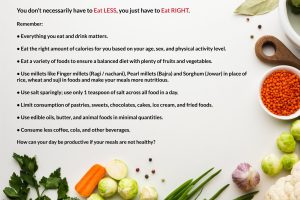
Eating the right number of calories for your activity level and balancing your energy intake and expenditure are crucial components of a balanced diet. You will gain weight if you eat more calories than your body needs since the extra energy is stored as fat. You will lose weight if you eat and drink too little. To guarantee that your diet is balanced and that your body gets all the nutrients it requires, you should also consume a variety of meals. Men should consume about 2,500 calories every day. Approximately 2,000 calories should be consumed daily by women.
Tips for Healthy Eating;
Dietary instructions
1. Base your meals on high-fiber, starchy carbohydrates. Starchy carbohydrates should account for slightly more than one-third of your diet. They include potatoes, bread, rice, pasta, and cereal. Choose high-fiber or wholegrain options such as whole wheat pasta, brown rice, or potatoes with the skins on.
2. Eat plenty of fruits and vegetables. It is advised that you consume at least 5 servings of a variety of fruits and vegetables each day. They may be fresh, frozen, canned, dried, or juiced.
3. Eat more fish, including some oily fish. Fish is a high-protein food that also contains numerous vitamins and minerals.

Dietary instructions
4. Reduce saturated fat and sugar. Saturated fat. You need fat in your diet, but you must be careful about how much and what sort of fat you consume.
5. Consume less salt: no more than 6 g per day for adults. Eating too much salt might cause high blood pressure. People with high blood pressure are more prone to develop heart disease or experience a stroke. 6. Become active and maintain a healthy weight. In addition to eating correctly, frequent exercise may help lower your risk of developing major health disorders. It is also beneficial to your general health and well-being. dietary-guidelines@fao.org
Summary
In order to promote health and prevent disease, dietary guidelines emphasize balancing food groups like fruits, vegetables, whole grains, proteins, and dairy while limiting fats, sugar, and salt. These guidelines are often visualized through food pyramids or plates and customized to individual needs and cultures. General recommendations include staying hydrated, controlling portion sizes, and choosing whole foods over processed ones.


Types of diets. A diet is the food and beverages you regularly eat. It can include anything from a balanced intake of fruits, vegetables, whole grains, and proteins for health (such as the WHO’s guidelines and NHS recommendations) to particular eating plans (such as Keto, Vegan, or Mediterranean) that are frequently adopted for weight loss or health goals. Popular options include Low-Carb, DASH, or Intermittent Fasting, though individualized advice from a dietitian is essential before beginning any new regimen.
TYPES OF DIETS
Diets, which include well-known varieties like Keto (low-carb, high-fat), Paleo (ancestral whole foods), Mediterranean (plant-based, healthy fats), Vegetarian/Vegan (plant-focused, no or all animal products), and structured plans like DASH (heart health) or Intermittent Fasting (eating windows), are eating patterns centered around weight loss, health, or ethics. They all have different goals, advantages, and possible drawbacks, ranging from sustainable, balanced strategies to constrictive ones.
Meaning of Diet;
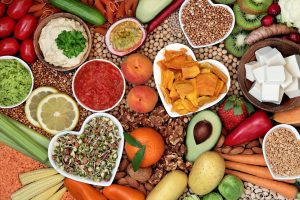
A diet is a collection of foods that are commonly consumed by a particular group of people or organisms. Human diets are shaped by nutritional requirements, the types of food available in a given place, and cultural values.
Types of diet to follow. When it comes to choosing a diet that may benefit you, there are numerous options available.
Diet Types;

Here’s a closer look at some of the various diets.
1. The Paleo Diet. This is a natural eating style that virtually eliminates sugar consumption. The only sugar in a Paleo diet comes from fruits. The Paleo diet consists of:
Fish
Fowl
Vegetables
Fruits
Nuts
Oils
Sweet potatoes

Types of diets
2. The Blood Type Diet. Some doctors have begun to explore diets that are compatible with specific blood types. These diets aim to match people’s common dietary needs based on their blood type.
3. The vegan diet. This diet is a type of vegetarian diet because it excludes meat and animal products. One of the key benefits of this diet is a lower intake of cholesterol.
4. The South Beach Diet. This diet was introduced in 2003, and it is based on the idea of improving one’s overall eating habits by balancing one’s daily meals.

Types of diets
5. The Diet of the Mediterranean This is another type of diet that is high in vegetables and steers clear of meat but leaves it in moderation. This diet not only helps with blood sugar control and weight loss but it has also been shown to aid with depression. Oil should be used wherever possible in place of butter, salad dressings, and marinades, according to the Mediterranean diet. Eating a balanced diet is very essential to one’s health. General Nutrition Information by NutritionED.org Contributor. permalink.
Summary
Plant-focused diets (Vegan, Vegetarian, Mediterranean, Flexitarian), low-carb/high-fat diets (Keto, Atkins, Paleo, Carnivore), medically focused diets (DASH for blood pressure, Gluten-Free for sensitivities, Low-FODMAP for gut health), and timed eating diets (Intermittent Fasting) are all available. The Mediterranean, DASH, and balanced diets are typically highly regarded by experts.

Water Contaminants

Rain Water Relevance

Amethyst Importance

A Step-by-Step Guide to Deleting Reels on Instagram

How to Create a WhatsApp Group










Pingback: Barley: An Ancient Grain with Modern Appeal - SimplExplainer
Pingback: Oats: A Nutritious Staple for a Healthy Lifestyle - SimplExplainer
Pingback: Buckwheat: A Nutrient-Dense Pseudocereal - SimplExplainer
Pingback: Quinoa: The Ancient Superfood Transforming Modern Diets - SimplExplainer
Pingback: Barley Flakes - SimplExplainer
Pingback: Healthy Lifestyle Habits
Pingback: Brown Rice: A Nutritious Whole Grain - SimplExplainer
Pingback: Nutritional Value of Buckwheat - SimplExplainer