
Food
Health Benefits of Eating Onions

HEALTH BENEFITS OF EATING ONIONS
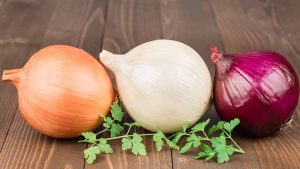
Health benefits of eating onions. Like garlic, shallots, and leeks, onions belong to the lily (Liliaceae) family. Onions are not as prized as garlic, but they do contain powerful chemicals that are recognized to provide health benefits. Whether they are eaten raw, sautéed, baked, steamed, or boiled, onions are the foundation of many different recipes.
Health Benefits of Eating Onions
In addition to adding flavor to food, onions are nutrient-dense and contain strong plant components that may support cardiac, immunological, and digestive health. While most people find onions to be a beneficial addition to a balanced diet, people with IBS may need to be cautious.
Allium is a genus of vegetables that includes onions, which are closely related to leeks,, and garlic. They are also among the best vegetables for quercetin, a plant chemical that has a lot of health advantages.
1. Reduced chance of cancer
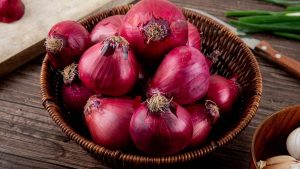
There are compounds in several types of onions that can help prevent cancer. According to one study, the highest onion consumption was associated with a lower risk of ovarian, throat, and colon cancer. Another revealed that males with the lowest risk of prostate cancer were those who consumed the most vegetables from the allium family.
2. The antimicrobial action
Some laboratory studies have shown that onions are effective against a variety of germs. In a particular experiment, extracts from onions and garlic inhibited the growth of many microorganisms. The effects of onions on the body’s microorganisms require further investigation.
3. Digestive health
Onions include compounds that function as prebiotics, which provide food for the good bacteria in your gut and can aid with digestion. In the big intestine, they nourish the beneficial bacteria after passing through the small intestine.
4. Health of the bones
It’s possible that onions can help prevent osteoporosis, a disorder that weakens bones. In a research of individuals close to or past menopause, it was discovered that regular onion consumption increased bone density, which led to stronger bones.
5. Lowers the chance of heart disease and stroke
Onions have a strong sharp flavor and odor due to the presence of organic sulfur compounds. Your risk of heart disease and stroke may be decreased by these substances, which can also help break up blood clots and lower your body’s cholesterol levels.
6.Reduce Diabetes
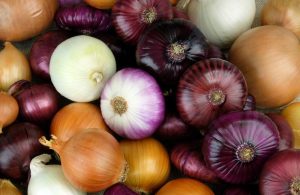
Onions are a good vegetable choice if you have diabetes since the organic sulfur compounds, they contain are proven to increase insulin synthesis.
7. Rich in Nutrients
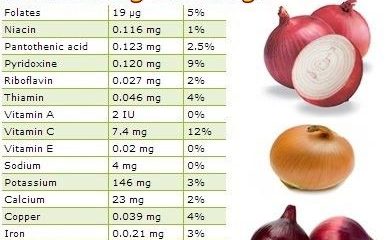
Onions are regarded as a food that is high in nutrients. In other words, they are high in nutrients and low in calories. Both manganese and potassium are abundant in them. Potassium aids in improving your metabolism and energy levels.
8. Source of Vitamin C
The immune-boosting qualities of vitamin C are well known; they aid the body in fending off infections and diseases. Therefore, simply adding onions to your diet helps to protect your health by giving your body a good dosage of vitamin C and adding flavor to your meals.
Summary
Hence, Vegetables rich in nutrients, onions contain potent chemicals that may help lower your risk of heart disease and several types of cancer. They support digestive health and contain antibacterial qualities, which may strengthen the immune system. Additionally, they are adaptable and can be added to any dish to enhance its flavor.







How to Preserve Food. Any material that an organism consumes for nourishment is considered food. Food often comes from plants, animals, or fungi and contains vital nutrients such proteins, carbs, lipids, vitamins, and minerals. An organism consumes the material, which is then absorbed by its cells to support growth, sustain life, promote physical needs, and supply energy. Different animal species have evolved to occupy particular ecological niches within particular geographical locations, and their feeding behaviors meet the demands of their metabolisms.
HOW TO PRESERVE FOOD
We preserve food to extend its shelf life. This is because food spoils easily. It will go bad if it is not stored or eaten right away. It needs special care to maintain its nutritional value and last as long as possible. There are several methods for preserving food. In this blog, we look at seven alternative methods of food preservation. These methods improve the quality of our food when used correctly.
The Definition of Food Preservation;

Food preservation, in its simplest form, is the management and treatment of food in order to prevent or reduce deterioration. Along with preventing food-borne infections, food preservation helps to preserve the nutritional content, flavor, and texture of food items.
chilly
One of the simplest methods for preserving and ensuring food safety is to refrigerate it. Our refrigerators’ low temperatures inhibit the growth of microorganisms and lessen spoiling. Food that has been refrigerated can stay safe for a few days.
Cold-freezing

How to Preserve Food
Although, Bacteria cannot grow in frozen environments. Thus, food can be preserved for a long period by freezing it properly. Years, to be precise. That being said, it’s definitely time to discard that frozen emergency pizza.
Sugarcoating
Meanwhile, food that has been heavily sugar-preserved has less water in it, which inhibits the growth of microorganisms. Sugar comes in granules, syrup, molasses, and honey forms. To make jams or relishes, fruits like apples and plums as well as vegetables like carrots are sugared. To preserve particular fish or meats, you can also add salt and sugar to the brine.
Adding salt

How to Preserve Food
However, salt works wonders in extracting water from some meals. This inhibits the growth of germs, just as sugaring. Salt, water, and occasionally sugar are used to create wet curing. After adding food, this mixture is put inside cans. Meats like this are cured by immediately applying salt to them. Water is extracted in this way.
Making Canning
Also, foods preserved with this technique lose some of their oxygen. Baking is inhibited when food is kept in an environment that is airtight, acidic, high in salt, or sugar. Good quality and hygiene practices are required while handling canned food. Canning-specific jars are what you should use. To make sure they are airtight, this is being done.
Summary
Stopping germs and slowing down the enzymes that cause food to spoil are key components of food preservation. Freezing, canning, dehydrating, and fermenting are common techniques. To properly increase shelf life, each technique focuses on elements like moisture, temperature, or oxygen.

Health Relevance of Cocoyam. Although all parts of the plant are edible, cocoyams are herbaceous perennial plants in the Araceae family that are grown mostly for their tasty roots. The two genera of cocoyams that are grown for food are Colocasia and Xanthosoma. They are typically made up of a huge spherical corm, which is a bloated underground storage stem from which a few enormous leaves emerge.
HEALTH RELEVANCE OF COCOYAM
Although, the nutrient-dense root crop cocoyam is high in potassium, complex carbs, dietary fiber, and antioxidants. It is naturally gluten-free, promotes healthy digestion, lowers blood pressure, and offers long-lasting energy with a low glycemic index.
Benefits;

1. Preventing cancer An essential component of our body’s antioxidant activity is taro root. High concentrations of vitamin A, vitamin C, and other phenolic antioxidants in taro root support a stronger immune system and aid in the removal of harmful free radicals from the body. The hazardous byproducts of cellular metabolism, free radicals, can cause healthy cells to change and become malignant.
2. Also, Decrease Arthritis Symptoms Low vitamin B6 levels are linked to more severe symptoms of rheumatoid arthritis, such as greater pain, which makes cocoyam a great aid in overcoming the condition. Because they suffer from persistent joint and muscular discomfort, several experts have come to the conclusion that individuals with arthritis need a higher amount of vitamin B6 than healthy individuals.

Health Relevance of Cocoyam
3. Meanwhile, Vascular Health and Blood Pressure A significant amount of potassium, which is regarded as another necessary mineral for maintaining efficiency and health, is present in cocoyam. In addition to facilitating normal fluid passage between membranes and bodily tissues, potassium also aids in reducing artery and blood vessel strain. Vein and blood vessel relaxation can lower blood pressure and lessen the strain on the cardiovascular system as a whole.
More benefits,
4. However, Immunity of the System Cocoyam is a vital component of the immune system. Taro roots are a good source of vitamin C, which helps the immune system produce more white blood cells to protect the body from outside invaders and infections. Vitamin C also functions as an antioxidant.

Health Relevance of Cocoyam
5. Also, Cramping Better muscle strength and less cramps are directly correlated with eating meals high in potassium. Cocoyam has a significant potassium content of 615 mg, or 13.09% of the daily required intake. Low potassium levels frequently cause muscle cramps as a side effect. When an athlete is dehydrated and doesn’t eat enough meals high in potassium before and after exercise, this occurs.
Summary
However, because of its high ratio of protein, vitamins, and minerals, cocoyam has a better nutritional value than other fruits like yam and cassava. It is a well-known staple crop that can be used as a weaning food in less developed and poor countries.

Local Foods in Nigeria. Nigerians are known for their love of eating and are thot to be among the happiest people on the earth. They also like to eat. In Nigeria, the proverb “the route to a man’s heart is his stomach” is generally accepted. The variety of the civilization is reflected in the cuisine. Every one of the more than 500 ethnic groups has a different cuisine. In order to help tourists, travelers, and visitors settle in while in Nigeria, the following list of Nigerian foods is provided.
LOCAL FOODS IN NIGERIA
Rich, savory mainstays like Jollof rice, Amala with Ewedu, Pounded Yam with Egusi soup, and Ewa Agoyin are typical of Nigerian cuisine. Fresh indigenous ingredients like yam, crayfish, palm oil, and fermented locust beans (iru) are used in these recipes to produce tastes that are rich, smokey, and spicy.
Jollof rice;

This deserves to be on the list of 30 Nigerian foods you should be aware of. Perhaps the most well-known Nigerian dish is jollof rice. It is the dish that is appropriate for practically any Nigerian occasion. Jollof rice is served first during picnics, housewarmings and weddings. Pepper, broth, seasoning, and spices are ingredients in this flavorful and filling dish. Serve it with meat.
Fried rice;
This still belongs to the rice variety on the list of 30 Nigerian foods you should know about. Sauté this while adding freshly chopped and stir-fried vegetables to the rice. Green beans, sweet corn peas, carrots, beef liver, and other recipes are also required. Serve this with beef, chicken, shrimp, or any other protein of your choosing. The fact that
Local Rice;

Local Foods in Nigeria
Jollof Regular, jollof rice and local jollof rice differ in the type of oil used. Regular Jollof requires vegetable or groundnut oil, whereas native Jollof rice needs palm oil. You might try various recipes that call for seasoning, pepper, spices, and robust protein.
Egusi soup;
However, Egusi soup is the most popular Nigerian soup among the 30 Nigerian foods you should be aware of. Melon seeds from the gourd family are used to make egusi, a delicious soup. First comes the pounding of the melon, which is then formed into balls and combined with pepper and green vegetables. You can make this soup in a variety of ways and serve it with akpu or pounded yam.
Banga Soup;

Local Foods in Nigeria
Also, Among the 30 Nigerian foods you should be aware of is this well-known soup. This is made with palm nuts. You can cook the nut with beletete, spice flavorings, and other types of protein. It is an intriguing and nourishing traditional soup.
Summary
Rich, delicious, and incredibly varied, Nigerian cuisine includes fermented flavors, palm oil, and fragrant spices. Jollof rice, pounded yam with Egusi or Afang soup, Amala with Ewedu and Gbegiri, Ewa Agoyin, and street snacks like Suya and Akara are examples of iconic staples.

The Causes of Political Apathy

Child Neglect and Causes

Environment Care Tips

A Step-by-Step Guide to Deleting Reels on Instagram

A Comprehensive Guide to Setting Up a YouTube Premiere

How to Create a WhatsApp Group
-

 Business3 weeks ago
How to Promote your Business
-

 Fashion3 weeks ago
Fashion Guide for Beginners
-

 Business2 weeks ago
Business Name Selection Tips
-

 Business3 weeks ago
Tips for Running Online Business
-

 TECHNOLOGY3 weeks ago
Artificial Intelligence and the Future
-

 Business1 week ago
Customers Satisfaction