School
Schools Curriculum and Sports


Schools Curriculum and Sports. Combining required physical education (PE) classes with extracurricular athletic programs in the school curriculum is crucial for students’ overall development. It enhances mental clarity, fosters physical well-being, and develops important character attributes like discipline and teamwork.
SCHOOLS CURRICULUM AND SPORTS
School sports develop strong social skills, increase mental capacity, and enhance physical health. Frequent exercise keeps children in shape, improves their concentration in class, fosters friendships, and teaches them leadership and collaboration.
1. Health Improvement

Outdoor sports can improve your fitness and are fantastic for kids. Frequent exercise can strengthen your heart, bones, and lungs. It also aids in the prevention of chronic illnesses. Blood circulation, stress reduction, weight loss, and diabetes management can all be aided by sports. Sports can help build and tone bones and muscles because of the confluence of cerebral and physical growth.
2. A boost to confidence
Winning isn’t everything in sports. Instead, it’s about reaching objectives and cooperating with others. In most sports, the goal is friendly competition. PE teachers must capitalize on the inherent excitement and competitiveness of sports to assist kids develop their confidence and enjoy and learn how to play peacefully.
3. Leadership Ability

Schools Curriculum and Sports
Whether playing with the national team or a small group of pals, every team requires a leader. As students grow, they are given the chance to assume leadership roles. They gain confidence and are more equipped to make wise decisions as a result. Sports can help you develop these skills because they demand you to make judgments and share them with your teammates often for the sake of the team as a whole.
4. Collaboration
Although, People who can work effectively together make up effective teams. For many kids, physical education is their first introduction to teamwork. Individuals are not as essential as the team as a whole, according to several clubs. Your youngster will be able to work as a team and observe directly.
5. Sport’s discipline

Schools Curriculum and Sports
However, This component, which incorporates failure, is underappreciated. You need to be persistent and disciplined to achieve in life. Athletes are one example of this. Naturally occurring highs are caused by the sport’s basic nature, which clearly defines winners and losers. Young athletes need to be prepared for this in adulthood.
6. Performance in the classroom
Also, Participating in athletic activities instills discipline, which is advantageous in many facets of life. Students gain physical, mental, and tactical skills through athletics. Pupils can concentrate more effectively and see more clearly.
Summary
Beyond their physical benefits, sports have several educational benefits. This blog will examine how student athletes enhance their academic achievement, health, and way of life.







School Trips Safeguards. Field trips provide students with chances for experiential learning that are not available in the classroom. However, these outings also expose students to a variety of potentially hazardous environments and situations.
SCHOOL TRIPS SAFEGUARDS
Before any instructional visit starts, school trip protections call for thorough risk assessments, signed parent agreement, up-to-date medical information, and explicit staff monitoring ratios. A safeguard is an action or precaution used to stop, damage, or injury. School travels, sometimes referred to as field trips, are planned expeditions that allow students to experience and see new things.
Safeguards;
1. Pick a secure area and safe pursuits.

The venue and activities selected should be suitable for the participants’ age and typically free of any risks or hazards 2. Request the signing of a no objection form from parents or legal guardians to confirm that they have been informed about and agree to their child’s involvement in the trip.
2. Make sure the teacher is accompanied by a capable helper. Having multiple adults accompany the field trip would be much more beneficial. 4. Split up the class into groups, then designate group prefects. Group prefects are responsible for monitoring their fellow group members, helping to resolve conflicts, and handling unforeseen circumstances.

School Trips Safeguards
3. Also, describe to the pupils the locations they will be going. Students can better prepare for the field trip by dressing appropriately and bringing appropriate footwear, for example, if they are aware of the destination. Inform pupils of what to do if they split off from the group. This can assist them in maintaining their composure and attention, which helps lessen any fear or confusion that could otherwise occur.
4. Meanwhile, bring refreshments and energy drinks. Students are less likely to get hurt or have accidents when they have access to proper nourishment and water, which helps them stay focused and alert.

School Trips Safeguards
8. Pack first aid supplies. Having basic medical supplies on hand can help save minor injuries
Summary
School trips are planned educational excursions or tours that take students outside of the classroom to get practical, real-world learning experiences.

Sharing apartments in schools. A convenient and affordable substitute for living in a shared home is co-living. In addition to using the shared amenities that come with co-living, it allows residents to create their own community and set their own rules. Although co-living is great for many reasons, students might gain the most from it. Some of the primary benefits of co-living for students are listed below. There are also a number of benefits to living with others, including camaraderie, cost savings, and valuable life lessons. We’ll give you the essential guidance you need to have a peaceful cohabitation in this post.
SHARING APARTMENTS IN SCHOOLS
In recent years, the lifestyles of students have undergone significant transformation. Co-living facilities, which offer a more communal living atmosphere, are becoming more popular among students than traditional dorms. Co-living is a simple idea: instead of living alone in a tiny dorm room, you share an apartment with other people, usually other students. You can enjoy the benefits of social living, such meals and activities, while yet having some solitude.
1. Learn about one another;

However, It’s lot easier to get along with your new housemates if you know them. When you move in with someone you’ve never met before, there are a lot of methods to get to know them. You will undoubtedly cross paths at the numerous orientation events that institutions host for incoming students if you are all first-year students at the same university.
2. Establish limits and expectations;
Meanwhile, Establishing limits and expectations in advance is essential to a positive cohabitation experience. You should talk about and decide on rules for sharing responsibilities, using common areas, and protecting one another’s privacy.
3. Effectively communicate;

Also, Keeping your living arrangement with your housemates healthy requires effective communication. Encourage one another to voice their needs and concerns at an early age and establish an honest and open channel of communication. To keep in touch and informed, you can utilize whiteboards, shared calendars, and group conversations.
4. Honor each other’s personal space and privacy;

SHARING APARTMENTS IN SCHOOLS
Also, Respecting one another’s personal space and privacy is crucial to keeping a cozy living arrangement. Establish rules for how to use common areas like the living room, kitchen, and restroom to prevent disputes.
5. Assign duties to others;
Meanwhile, Keeping your living arrangement peaceful with your housemates requires that you share tasks. Based on each person’s preferences and strengths, divide up the household chores equitably.
6. Constructing a common space;

SHARING APARTMENTS IN SCHOOLS
Although, It can be gratifying and challenging to share a room with someone else. Early on, clearly define expectations and boundaries to prevent future disputes.
Summary
Co-living is growing in popularity, which benefits college life. In addition to providing more comfort and convenience, these spaces allow students to develop close relationships and a strong sense of community. Living together is a great way to improve student life, as you can see. We improve students’ quality of life, give them more security and privacy, and help them develop a strong sense of community.

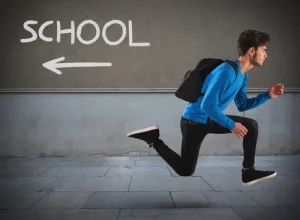
School drop out and students. A student who drops out of school before finishing it is known as a school dropout. This can happen for a variety of reasons, such as poverty, family problems, academic difficulties, bullying, or mental health issues, and is frequently the result of a gradual disengagement from academics or school life. Dropping out has serious long-term repercussions that impact both the individual and society, raising the likelihood of unemployment, poverty, and criminal activity.
SCHOOL DROP OUT AND STUDENTS
Millions of students worldwide are affected by school dropout, which is the early termination of education due to interrelated causes such as poverty, high costs, insecurity, and societal standards. Long-term effects include diminished economic prospects, heightened susceptibility to criminal activity, and the continuation of the poverty cycle.
1. Bad influence;

The most frequent cause of school dropout among children is negative role models. Addiction to substances brought on by early or unrestricted exposure to drugs, alcohol, the internet, peer pressure, and television can lead to youth being disengaged from their academic pursuits and engaging in antisocial actions.
2. Academic difficulty;
Learning challenges and the incapacity to handle pressure from the classroom are two other reasons why children choose not to attend school. According to studies, children who are not proficient readers by the time they enter the fourth grade have a fourfold increased risk of dropping out of school.
3. Family and socioeconomic needs;

SCHOOL DROP OUT AND STUDENTS
Studies indicate that kids from low-income backgrounds or with a lower socioeconomic position have a higher likelihood of dropping out of school. To provide for their family, they might need to work. While their parents are at work, some kids might have to stay home to look after their siblings.
4. Poor Health:
A child’s learning capacity and academic achievement are significantly impacted by his or her health. Childhood illnesses that persist into adulthood can make it more difficult for a youngster to finish school.
5. Retention:
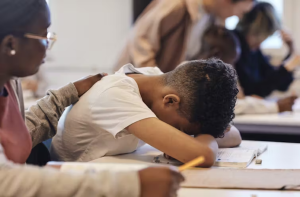
SCHOOL DROP OUT AND STUDENTS
Children’s self-esteem suffers as a result of retention. They often quit school because they feel inferior to their peers.
6. Disengagement:
The school culture is dull to many children. In the ninth and tenth years, over 71% of kids lose interest in high school, according to a survey. They would rather miss courses, arrive late, and eat long lunch breaks.
7. Transition:
SCHOOL DROP OUT AND STUDENTS
Research suggests that pupils’ academic motivation and performance may suffer as they go from the supportive middle school setting to the more solitary high school setting. “Understanding Why Students Drop Out of High School,
Summary
reasons why pupils leave school. Even though school completion rates have steadily increased for the majority of the last century, the problem of school dropout still impedes both the efficacy of the educational system and young people’s ability to pursue their individual educational goals in the most direct and fulfilling way.

Part-Time Jobs

Analysis of Child Exploitation

Different Types of Poverty

A Step-by-Step Guide to Deleting Reels on Instagram

A Comprehensive Guide to Setting Up a YouTube Premiere